Empowering Communities at the Forefront of Conservation

It’s time to reshape how we think about conservation in Africa. The era of external-centric approaches is giving way to a dynamic new reality: African-led sustainable tourism. This powerful movement places local communities squarely at the forefront, not just as partners, but as the core drivers of environmental protection and cultural preservation. It’s a testament to the continent’s innovative spirit, demonstrating how tourism can be a force for genuine empowerment and lasting positive impact.
This isn’t about imposing external models; it’s about amplifying the ingenious, often ancient, wisdom already present within African societies. Across the continent, communities are demonstrating that tourism, when managed responsibly and with local ownership, can be a potent force for positive change.

Consider the thriving community-led conservancies that are emerging as beacons of success. In places like Namibia’s vast communal lands or Kenya’s Maasai Mara region, local communities are directly managing wildlife areas. They are involved in anti-poaching efforts, guiding safaris, and developing eco-lodges, directly benefiting from the revenue generated. This direct link between conservation and livelihoods creates a powerful incentive to protect wildlife and habitats, fostering a sense of ownership and pride that top-down approaches often miss. Visitors to these conservancies gain a much deeper and more authentic experience, interacting directly with the people whose lives are intrinsically tied to the land and its creatures.
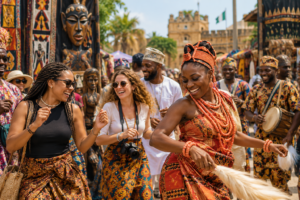
Beyond wildlife, this ethos extends to cultural preservation. Cultural tourism projects are being developed and managed by local communities to share their traditions, crafts, and stories on their own terms. This might involve visiting a traditional village where revenue from tours directly supports education or healthcare, participating in a craft workshop led by local artisans, or attending a cultural performance that brings ancient narratives to life. It ensures that cultural exchange is respectful, enriching for both visitors and hosts, and contributes directly to the well-being of the community.

The core of “African Solutions” lies in empowerment. It means investing in local guides who possess invaluable indigenous knowledge of flora, fauna, and local history. It means partnering with locally-owned businesses for accommodation, transport, and supplies, ensuring that the economic benefits of tourism circulate within the community. It means developing tourism products that are authentic to the local context, rather than generic imitations.
For the conscious traveler, choosing tours and accommodations that are demonstrably community-led and sustainable offers a profoundly rewarding experience. It’s a chance to contribute directly to the economic upliftment of local populations, participate in genuine conservation efforts, and leave a lighter footprint on some of the world’s most vital ecosystems. It’s an affirmation that responsible travel can be a powerful vehicle for justice, environmental stewardship, and the flourishing of African communities.
By seeking out these African-led initiatives, visitors become more than just spectators; they become partners in a movement that is safeguarding the continent’s natural treasures and cultural legacies, one community at a time. It’s a testament to the fact that the most effective solutions often arise from within, driven by the people who know their land and their heritage best.