Hair, Scarification, and Adornment as Integrated Art Forms in Africa
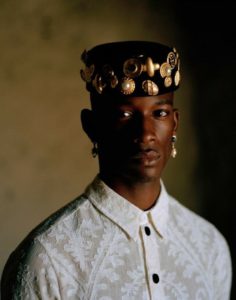
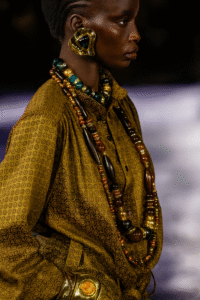
In many African cultures, the human body is not merely a biological vessel, but a living, breathing sculpture – an active site for artistic expression, social communication, and spiritual connection. Adornment, therefore, extends far beyond detachable jewelry. It encompasses an intricate world of hairstyles, ritual scarification, body painting, and other forms of bodily modification, each meticulously crafted and deeply imbued with meaning. These practices transform the physical self into a powerful visual language, eloquently speaking volumes about identity, status, beauty, and the profound relationship between the individual and their community.
A Crown of Culture and Communication
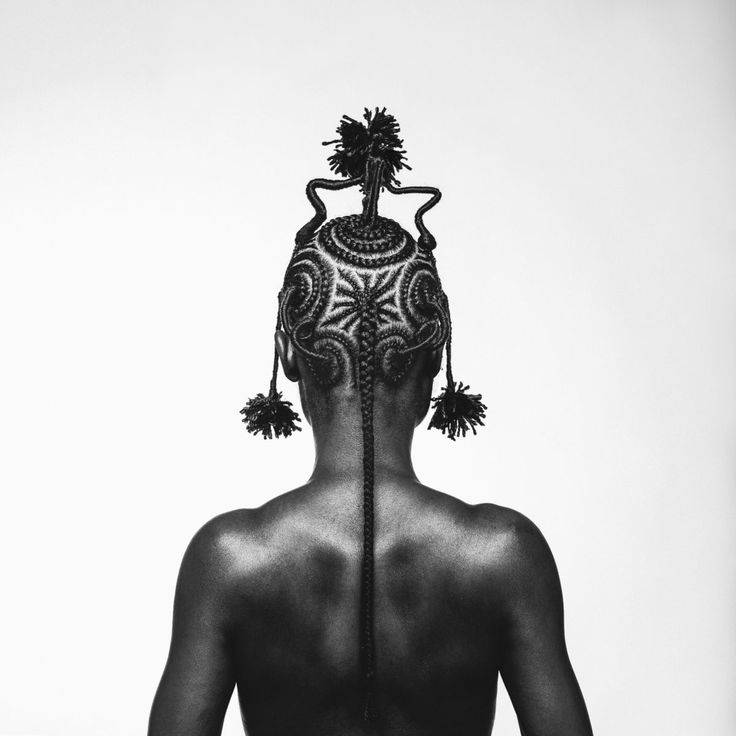
Hair in Africa is rarely just hair; it is a profound artistic medium, a reflection of creativity, social standing, and cultural identity. From elaborate braids to intricate weaves and unique coiffures, African hairstyles are a testament to skill, patience, and symbolic depth.
Symbolism in Styles:
Status and Age: Specific hairstyles often indicate age-set, marital status, wealth, or readiness for initiation. A young woman might wear a different style than a married woman or an elder.
Group Identity: Distinctive braiding patterns or hair accessories can immediately identify a person’s ethnic group. For example, the distinctive hair cones of the Mangbetu people of DR Congo, or the intricate braided patterns (cornrows) found across West Africa, which vary widely by region and meaning.
Ritual and Spirituality: Hair is sometimes seen as a conduit for spiritual energy. Certain styles may be adopted for rituals, mourning periods, or to signify a connection to ancestors or deities.
Beauty and Aesthetics: Beyond function, the sheer artistry and complexity of many African hairstyles are celebrated as expressions of beauty and creativity.
Tools and Techniques:
Traditional hair styling often involves simple tools like combs, thread, and natural oils. The dexterity and skill of African hair stylists, often passed down through generations, are remarkable.
Braiding, Twisting, and Weaving: These are fundamental techniques, creating complex geometric patterns, elaborate updos, and extensions using natural fibers or hair.
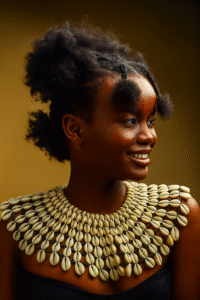
Adornment: Hair is frequently embellished with beads, cowrie shells, metal ornaments, plant fibers, or even clay and ochre (as seen among Himba women in Namibia).
Scarification and Tattooing an Enduring Marks of Identity
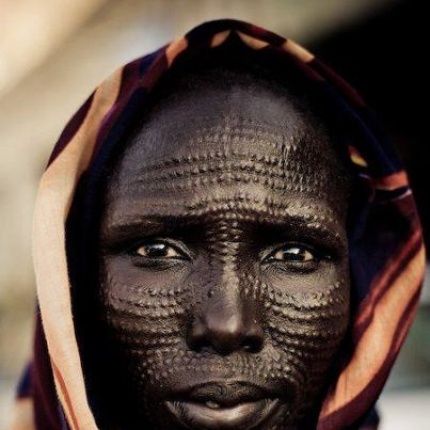
Scarification, the practice of intentionally creating scars on the skin through cutting, burning, or scratching, has been a significant art form across many African cultures. While less common today, its historical prevalence underscores its deep cultural importance.
Purpose and Meaning
Ethnic and Clan Identification: Scarification patterns were often unique to specific ethnic groups, serving as permanent markers of identity, heritage, and belonging.
Beauty and Aesthetics: Far from being disfigurements, these patterns were considered highly beautiful and enhanced a person’s attractiveness within their cultural context. The raised keloid scars created a three-dimensional effect, transforming the skin into a living sculpture.
Status and Achievement: Patterns could indicate social status, initiation into secret societies, bravery in battle, or transition to adulthood.
Spiritual and Protective: Some scarification patterns were believed to offer spiritual protection, ward off evil, or facilitate communication with ancestors.
Healing and Medical: In some instances, scarification was associated with traditional healing practices, with medicinal substances rubbed into the cuts.
Techniques
The process involved skilled practitioners using sharp blades or thorns to cut the skin, often rubbing irritants or plant extracts into the wounds to create raised, permanent marks (keloids). The placement and complexity of the patterns were highly specific.
Tattooing: While scarification was more widespread, some cultures also practiced tattooing using plant dyes or charcoal pigments, though this was less common than scarification.
Body Painting an Ephemeral Expressions of Life
Body painting, often utilizing natural pigments, offers a temporary yet potent form of artistic expression, frequently linked to specific ceremonies, rituals, or social events.
Materials and Techniques
Natural Pigments: Colors are derived from the earth (ochre, clay), plants (henna, indigo, charcoal), and other organic materials.
Application: Applied with fingers, sticks, brushes made from natural fibers, or sometimes stencils.
Patterns: Designs can range from simple dots and lines to intricate geometric patterns, animal motifs, and abstract forms.
Function and Symbolism
Ritual and Ceremony: Body paint is central to rites of passage (birth, initiation, marriage, death), religious ceremonies, and healing rituals. It can transform the wearer into a spiritual entity, purify, or protect.
Celebration and Festivals: Adornment for festive occasions, dances, and social gatherings to enhance beauty and express joy.
Identity and Affiliation: Can temporarily mark membership in a specific group or indicate readiness for a particular event.
Communication: Specific patterns can convey messages about status, mood, or intention within a particular context.
Examples: The vibrant body painting of the Karo people of Ethiopia, the intricate patterns of Himba women in Namibia (using ochre and butterfat for skin and hair), or the various initiation paints used in different West African societies.
Other Forms of Integrated Adornment
Beyond these major categories, the body is adorned in countless other ways:
Lip and Ear Plugs/Plates: Found in various cultures (e.g., Mursi women in Ethiopia, Surma), these modifications often signify beauty, maturity, or social status.
Neck Rings: The copper/brass rings worn by Ndebele women (South Africa) or the elongated neck rings of the Kayan (Padaung) people (Myanmar, but part of a broader Southeast Asian body modification tradition) are powerful symbols of identity and beauty within their cultures.
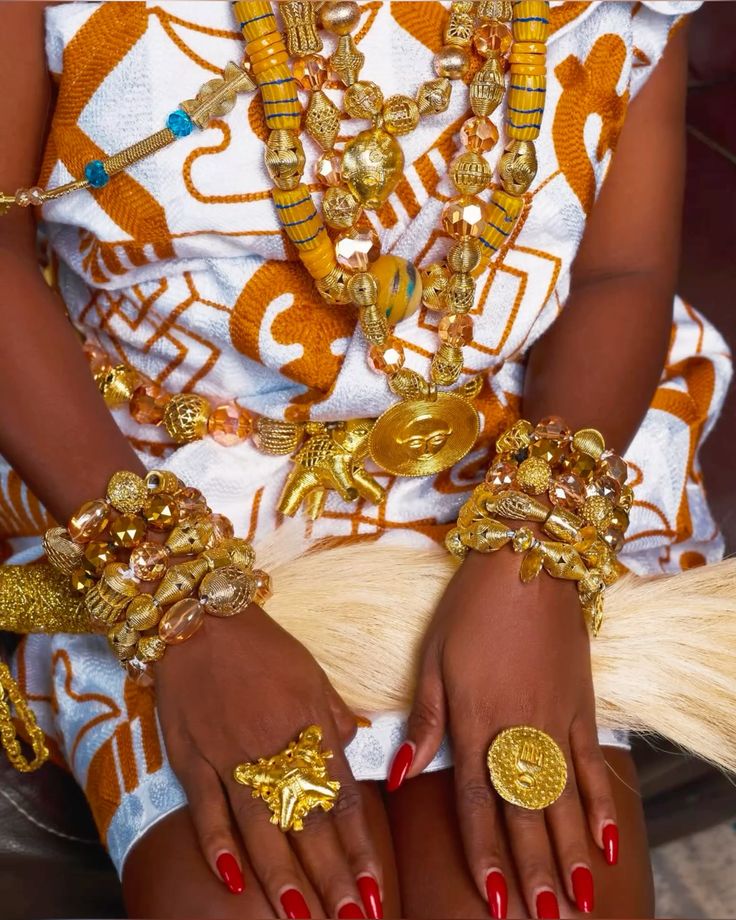
Waist Beads: Common across West Africa (e.g., Ghana, Nigeria), waist beads are worn by women for beauty, sensuality, to monitor weight, and sometimes for spiritual protection or fertility.
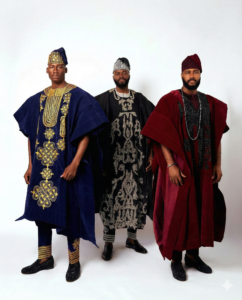
Clothing as Adornment: While not strictly jewelry, elaborately woven, dyed, or embroidered garments are integral to personal presentation and often serve the same communicative functions as jewelry, carrying symbolic patterns and reflecting status (e.g., Kente cloth, Aso-Oke).
The Body as a Living Legacy of Art
In Africa, the body is not merely a vessel for life, but a profound and dynamic canvas for art. Hair, scarification, body painting, and other forms of integrated adornment speak volumes about identity, status, and spiritual connection, transforming the physical self into a walking testament of culture. These practices, rooted in ancient traditions and evolving with contemporary expressions, highlight a unique philosophy where beauty is intrinsically linked to meaning, community, and the human story. By understanding the body as an active site of artistic creation, we gain deeper insight into the holistic and deeply communicative nature of African art, a living legacy that continues to inspire and redefine notions of beauty and self-expression worldwide.