African Living Spaces and Cultural Values

In Africa, a home is far more than just a dwelling; it is the “heart of the home,” a profound reflection of cultural values, social structures, and communal identity. African living spaces, whether traditional mud compounds or modern urban apartments, are designed and decorated with an innate understanding of family, hospitality, spirituality, and the rhythms of daily life. Exploring these interiors reveals how aesthetics and functionality are deeply interwoven with the very essence of African cultural values.
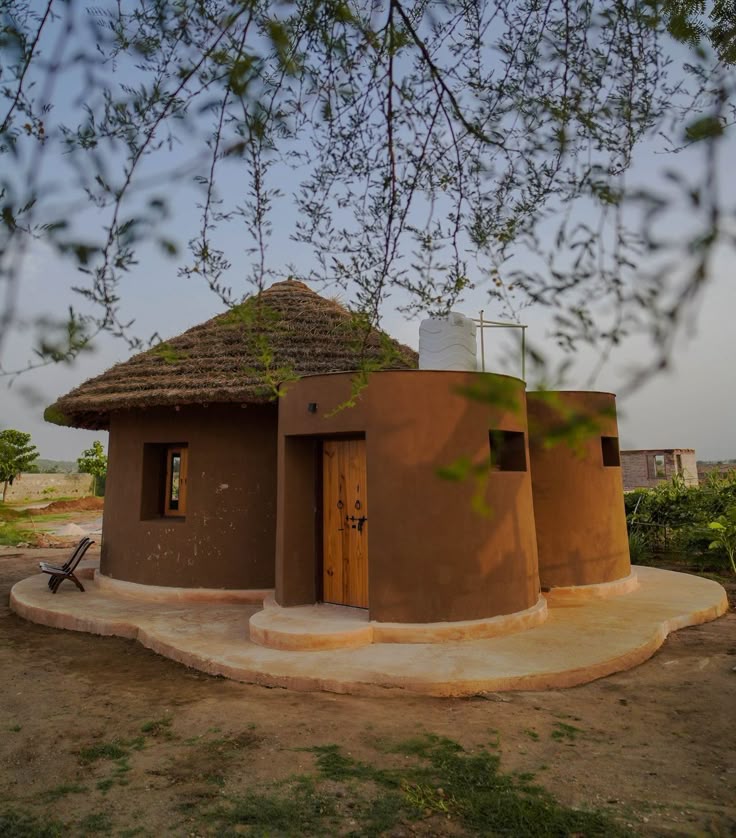
A defining characteristic of many traditional African living spaces is their communal orientation. Compounds often consist of multiple individual structures (huts or rooms) arranged around a central courtyard, which serves as a shared living area, cooking space, and gathering spot. This design reflects the centrality of the extended family, allowing for both privacy and constant interaction. Activities like cooking, eating, socializing, and even some crafts often take place in this open, communal heart of the home.
Functionality and adaptability are paramount. Furniture is often minimalist and multipurpose. Low stools, woven mats, or cushions might serve for sitting, eating, or sleeping. Storage solutions are practical, utilizing woven baskets, calabashes, and built-in niches to keep spaces tidy and organized. The design inherently responds to the climate, with thick mud walls providing insulation against heat, and open courtyards allowing for air circulation.
Natural materials are almost universally preferred, reflecting a deep connection to the land. Walls are often constructed from local clay (mud), sometimes mixed with straw or dung, providing excellent thermal properties and a warm, earthy aesthetic. Roofs are typically thatched with grasses or palm leaves. Flooring might be compacted earth, sometimes polished with natural pigments. Furnishings often utilize local timber, woven grasses, and animal hides. This reliance on natural materials creates interiors that feel organic, harmonious, and deeply rooted in their environment.
Symbolism and spirituality are frequently integrated into the decor. Artistic elements are not merely decorative; they carry meaning. Certain patterns painted on walls (like those of the Ndebele in Southern Africa, or geometric patterns in West African homes), carved into furniture, or woven into textiles can represent proverbs, offer spiritual protection, or signify family lineage and status. Religious symbols, whether traditional, Christian, or Islamic, often find a place within the home, reflecting the spiritual life of the occupants. In Nigeria, for instance, traditional Yoruba homes might feature altars or specific arrangements honoring ancestors or deities.
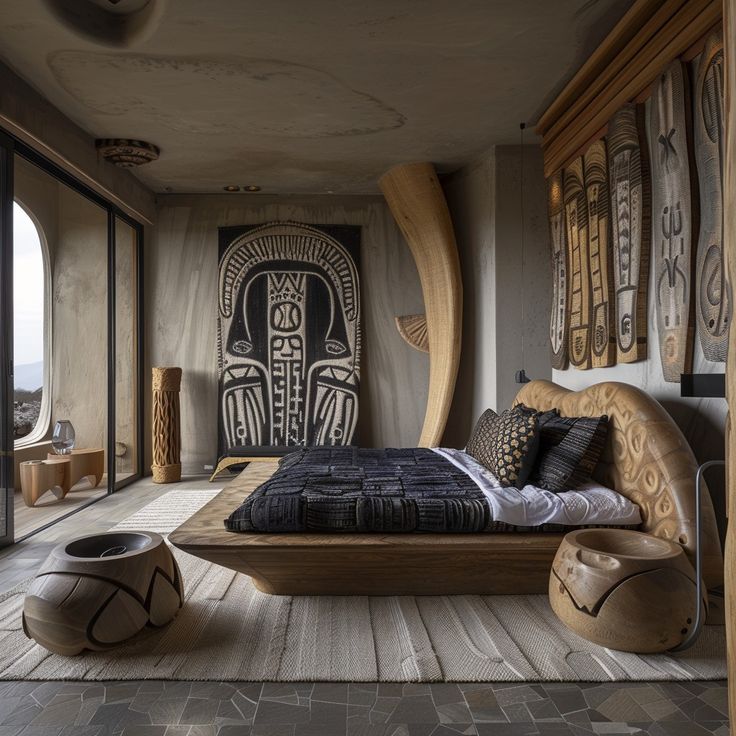
Hospitality is a cornerstone of African culture, and homes are designed to welcome guests. Communal seating areas, comfortable mats, and the easy flow between indoor and outdoor spaces facilitate social gatherings and shared meals. The home is a place of warmth, generosity, and open invitation, embodying the spirit of community.
Even in modern African urban homes, while materials and styles may evolve, the underlying cultural values often persist. The living room remains a central communal space, a place for family to gather and guests to be entertained. The preference for vibrant colors, natural textures, and the integration of local art continues, ensuring that the “heart of the home” beats with an unmistakably African rhythm, reflecting a deep connection to culture, family, and tradition.