Traditional African Skincare Secrets
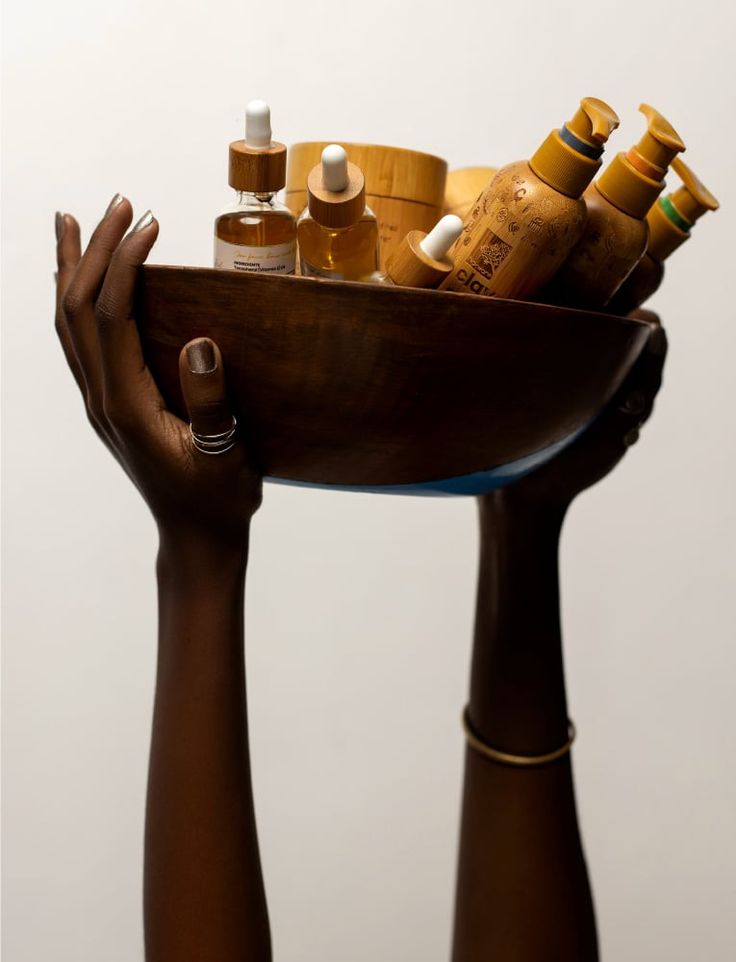
Long before the advent of modern cosmetics, African communities possessed profound knowledge of skincare, passed down through generations. These traditional practices, rooted in a deep connection to nature and an understanding of the body’s holistic well-being, harnessed the continent’s abundant botanical resources to nourish, protect, and enhance natural radiance. Unearthing these ancient secrets reveals a treasure trove of wisdom that emphasizes gentle care, natural ingredients, and a luminous glow that emanates from within.
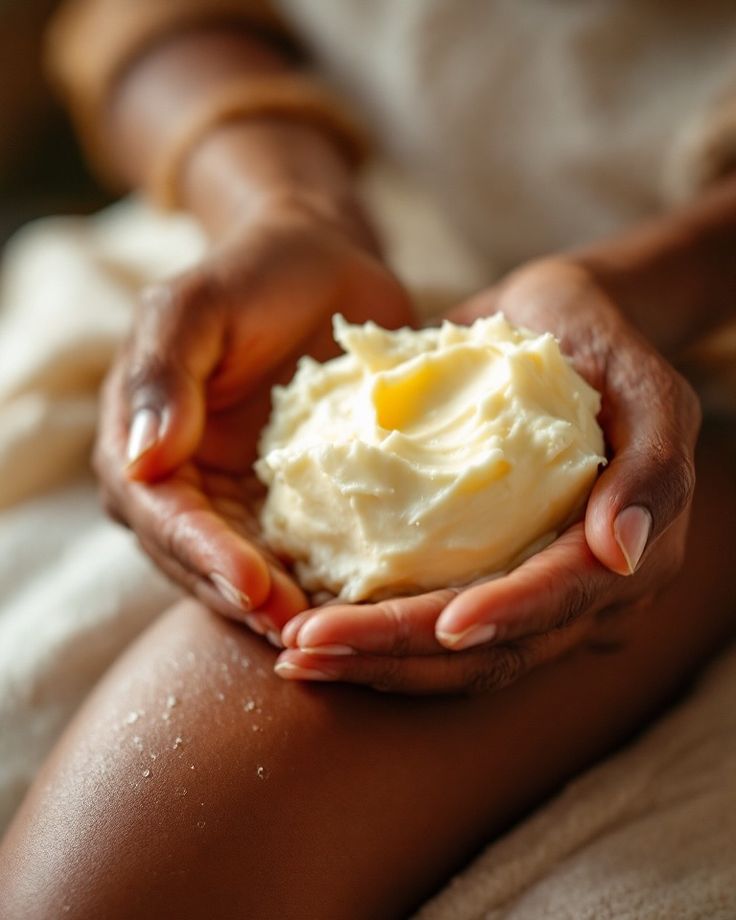
At the heart of traditional African skincare lies a reverence for natural oils and butters. Shea butter, often called “women’s gold” in West Africa, is perhaps the most celebrated. Extracted from the nuts of the Shea tree, unrefined Shea butter is a powerhouse of vitamins A, E, and F, along with essential fatty acids. It has been used for centuries to deeply moisturize dry skin, soothe irritation, heal scars, protect against harsh sun and wind, and maintain skin elasticity. Its anti-inflammatory properties make it ideal for calming various skin conditions, while its rich texture provides a protective barrier. The communal process of making Shea butter, often by women’s cooperatives, is as much a social ritual as a production method, preserving ancestral knowledge.
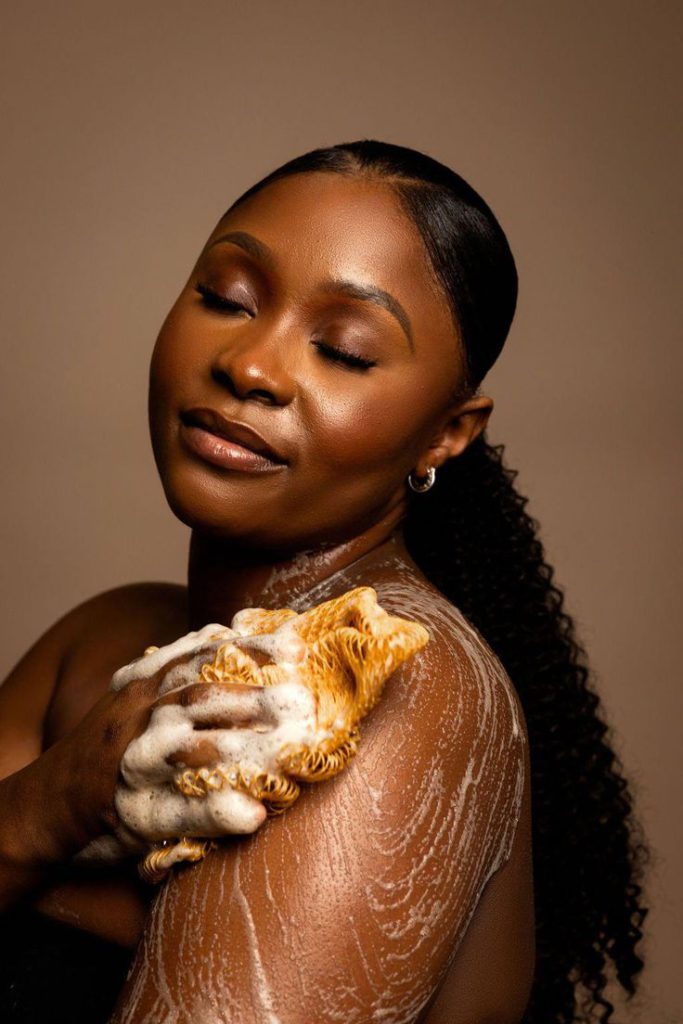
Another foundational element is African Black Soap, originating primarily from Ghana. This unique cleanser is made from the ash of plantain skins, cocoa pods, and palm tree leaves, combined with nourishing oils like coconut oil and Shea butter. Known for its deep cleansing and gentle exfoliating properties, it helps to clear acne, fade blemishes, and even out skin tone. Its natural, earthy scent and efficacy have garnered global recognition, but its true power lies in its traditional formulation, which avoids harsh chemicals, making it suitable even for sensitive skin.
Beyond these well-known staples, a variety of other botanical ingredients were (and still are) crucial. Moringa oil, derived from the seeds of the “miracle tree,” is rich in antioxidants and vitamins, valued for its anti-aging properties and ability to improve skin texture. Baobab oil, from the iconic Baobab tree, is prized for its regenerative qualities, helping to repair skin damage and enhance elasticity. Various clays sourced from mineral-rich lands across the continent are used for purifying masks, drawing out impurities, and invigorating the complexion. These clays are often infused with herbal extracts to enhance their therapeutic benefits.
Traditional African skincare also embraced practices beyond topical application. Herbal steams and baths, using decoctions of specific leaves, barks, and flowers, were common for detoxification, promoting circulation, and treating skin ailments. These were often part of elaborate rituals for cleansing, healing, or spiritual purification. Dietary considerations also played a significant role; consuming traditional whole foods rich in antioxidants, vitamins, and healthy fats was understood to be fundamental for radiant skin and overall well-being.
The application of these remedies was often integrated into daily routines or special ceremonial preparations. It was a mindful process, connecting individuals to their environment, their ancestors, and their community. The knowledge of which plant to use for which condition, how to prepare it, and when to apply it was diligently passed down orally, preserving a sophisticated understanding of ethnobotany and dermatology.
In an era where the beauty industry often relies on synthetic compounds, unearthing traditional African skincare secrets provides a powerful reminder of nature’s profound efficacy. It highlights a beauty philosophy that is holistic, sustainable, and deeply respectful of the earth’s gifts, offering timeless solutions for a radiant, healthy glow that celebrates natural African beauty.