African Crafts as Home Decor Statements
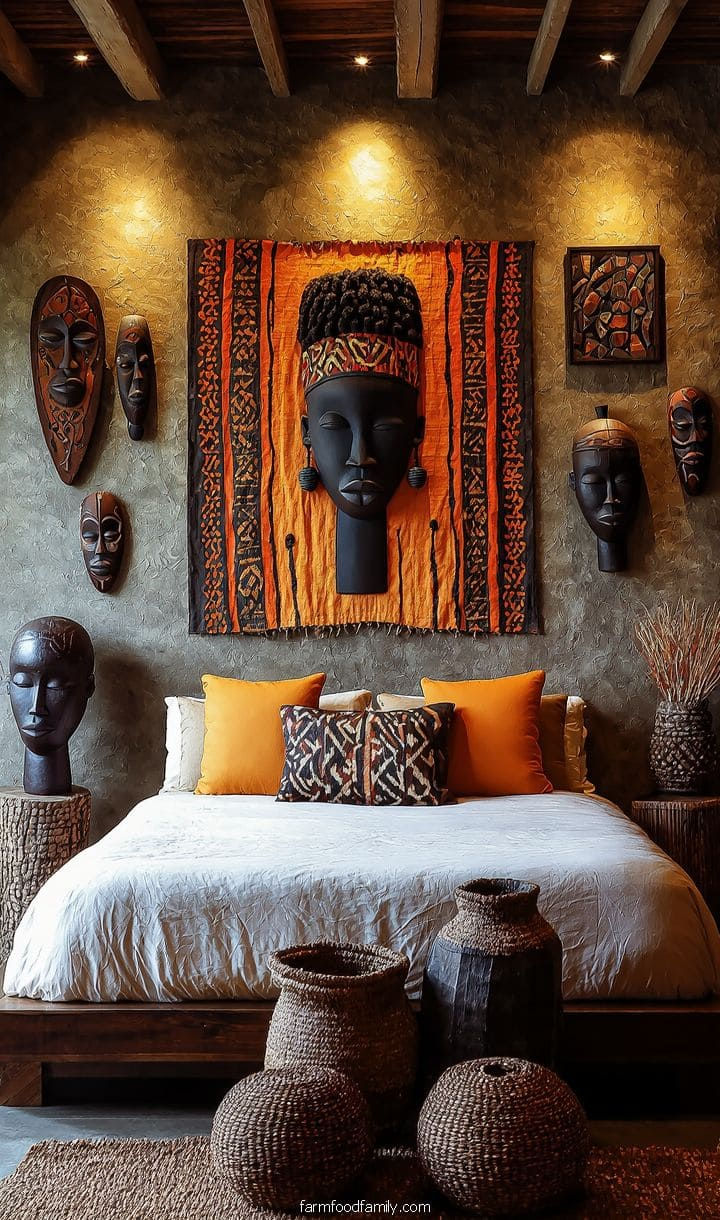
African homes reverberate with “artisanal echoes,” where every handcrafted object tells a story of skill, heritage, and cultural identity. Far from being mass-produced adornments, traditional African crafts serve as powerful home decor statements, infusing interiors with authenticity, history, and the soulful touch of human hands. From intricately woven baskets to hand-carved stools and symbolic pottery, these artisanal pieces are not just beautiful; they are functional works of art that connect living spaces to ancestral wisdom and skilled craftsmanship.
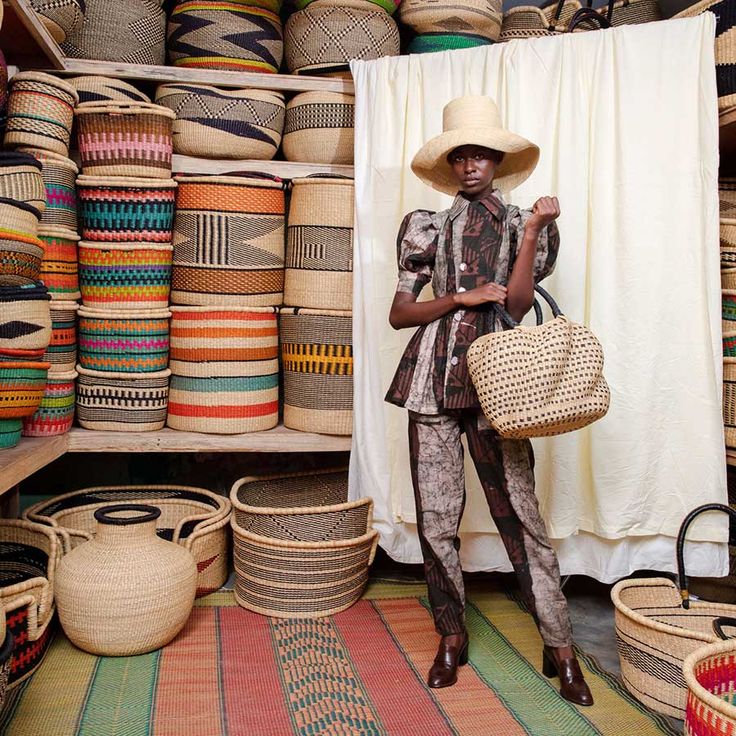
Woven baskets and mats are ubiquitous in African interiors, serving both practical and aesthetic purposes. Crafted from natural materials like raffia, palm fronds, grasses, or reeds, these items are incredibly diverse in shape, size, and pattern. Baskets are used for storage, serving food, and transport, while woven mats provide comfortable seating, sleeping surfaces, or floor coverings. The intricate weaving techniques, often passed down through generations, result in durable, beautiful pieces that add texture, warmth, and an organic feel to any space. The specific patterns can also signify the region or ethnic group of origin.
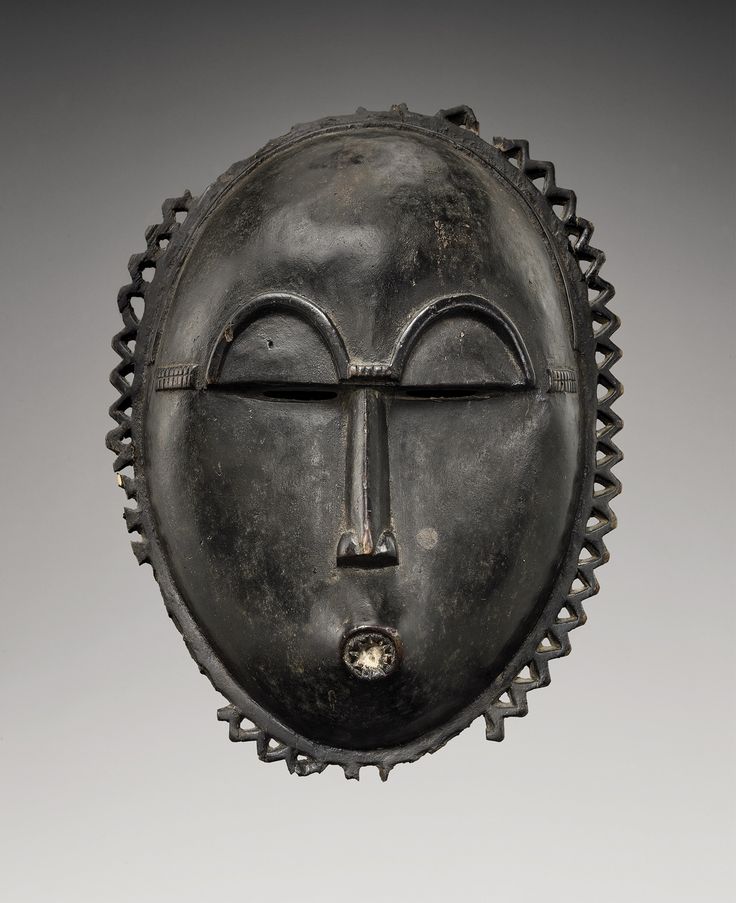
Hand-carved wooden objects are another cornerstone of African decor. This includes functional items like stools, tables, and headrests, often adorned with symbolic carvings that might depict animals, human figures, or abstract patterns. A traditional African stool (like those from the Ashanti of Ghana or various Nigerian groups) is often more than just a seat; it can be a symbol of status, a ceremonial object, or even believed to house the spirit of an ancestor. Masks, though primarily ceremonial, are also often displayed as powerful sculptural art pieces, bringing their symbolic presence into the home.
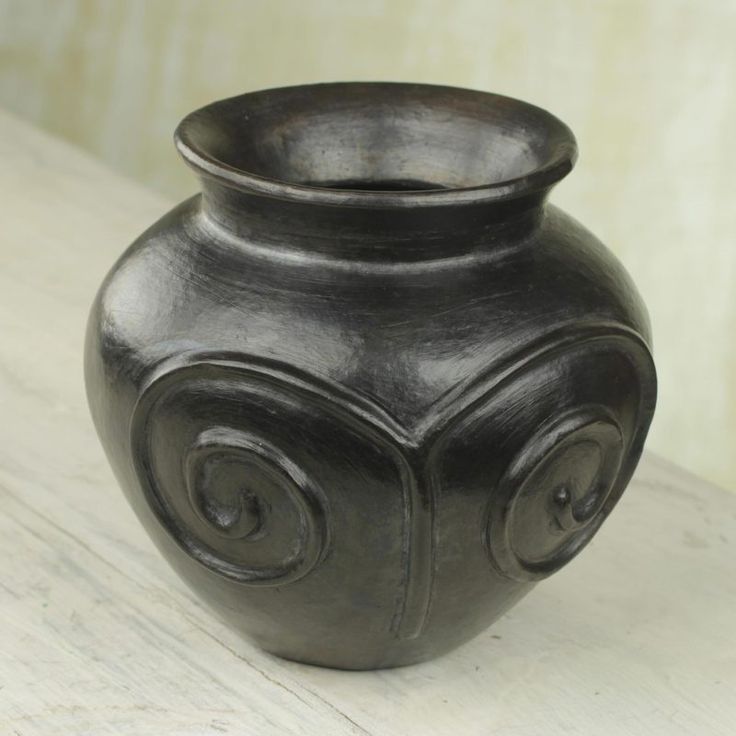
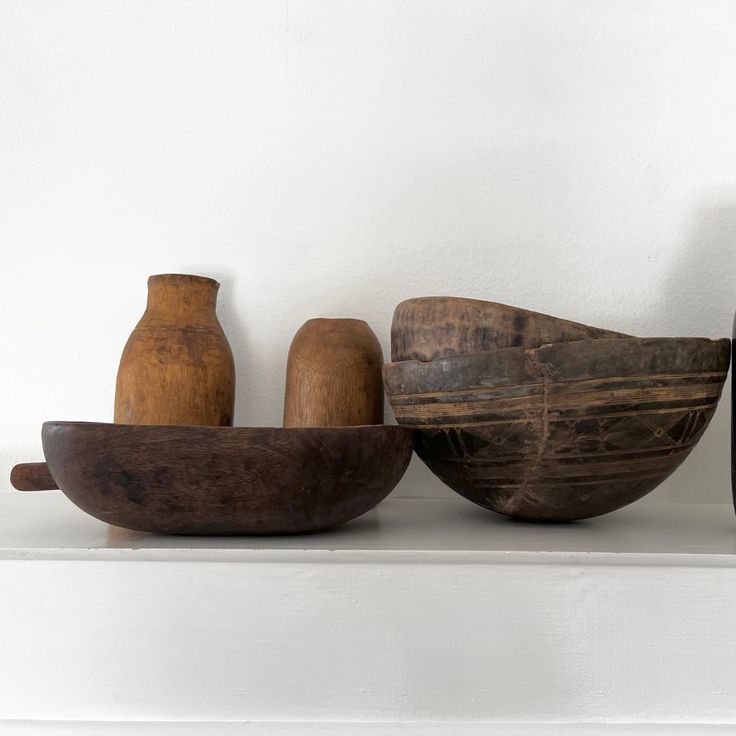
Pottery and ceramics, as we’ve explored, are essential functional items, but their diverse forms, earthy tones, and symbolic decorations also make them compelling decorative elements. Whether it’s a large water storage pot, smaller serving bowls, or decorative terracotta figures, these handcrafted clay pieces add an authentic, grounded feel to interiors, connecting them to ancient traditions. In Nigeria, the rich history of Nok and Ife terracottas, and the enduring craft of village potters, provide a vast array of unique ceramic pieces for decor.
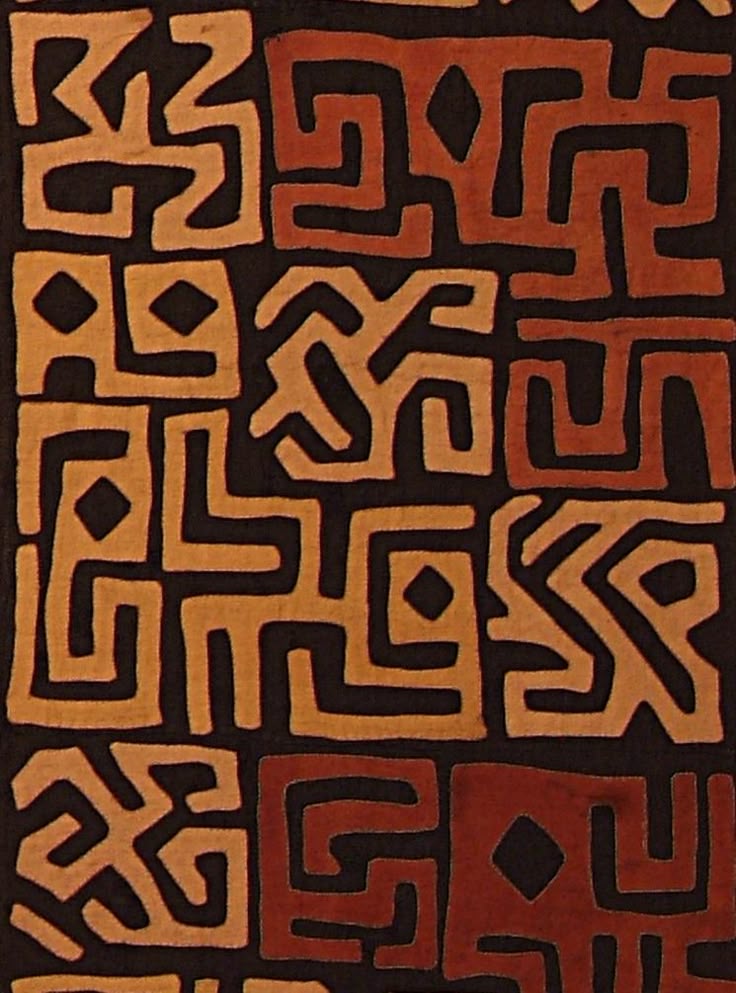
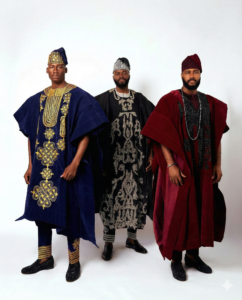
Traditional textiles are arguably the most vibrant and versatile home decor statements. Hand-woven fabrics like Aso Oke, Kente, or mudcloth, with their rich colors and meaningful patterns, are used as wall hangings, throws, cushion covers, or even drapes. Their presence immediately injects warmth, cultural narrative, and a burst of African vibrancy into any room. Even wax print fabrics (Ankara), though modern, are often cherished for their bold designs and used creatively in home furnishings.
Beadwork and metalwork also contribute. Intricately beaded calabashes, decorative shields, or small metal sculptures add sparkle, detail, and often tell stories through their colors and forms. These artisanal echoes are a powerful antidote to mass-produced decor. They speak to a preference for authenticity, durability, and pieces that carry a sense of history and human touch. By integrating these African crafts, homes are not just decorated; they are imbued with soul, cultural depth, and a timeless beauty that celebrates the enduring legacy of African artistry.