African Art Soars at International Auctions

The global art market is witnessing a dynamic shift, with African art, both contemporary and traditional, increasingly capturing the attention of international collectors and commanding impressive prices at major auction houses worldwide. Record-breaking sales are becoming more frequent, signaling a significant surge in demand and a growing appreciation for the rich artistic heritage of the African continent. This phenomenon reflects a long-overdue recognition of the talent, creativity, and historical significance embodied in African art.
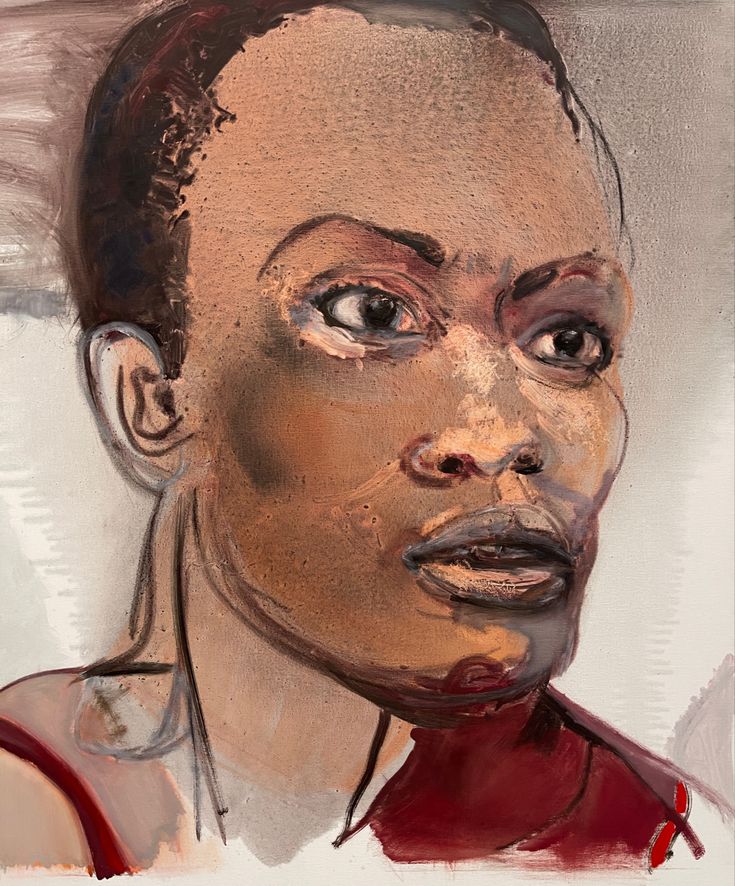
For decades, the narrative of art history and the focus of major auction houses largely overlooked or undervalued artistic production from Africa. However, the tide has turned. Driven by a confluence of factors, including greater global awareness, increased representation in international art fairs and exhibitions, and a growing desire for diverse artistic voices, African art is now a sought-after commodity in the global market.
Contemporary Masters Lead the Charge:
The contemporary African art scene is particularly vibrant and has seen remarkable success in recent auctions. Artists are pushing boundaries, exploring diverse themes, and engaging with global contemporary art discourse while often grounding their work in their unique cultural experiences. This has resonated strongly with international collectors.
Recent reports indicate a significant growth in the African art market, with values reaching over $1 billion and an estimated annual growth rate of 10%. Notably, there has been a substantial increase in visitors to contemporary African art fairs like 1-54, highlighting the burgeoning enthusiasm for this sector. Auction houses like Sotheby’s, Bonhams, and Christie’s have responded to this demand with dedicated sales of contemporary African art, often achieving impressive sell-through rates and record prices.
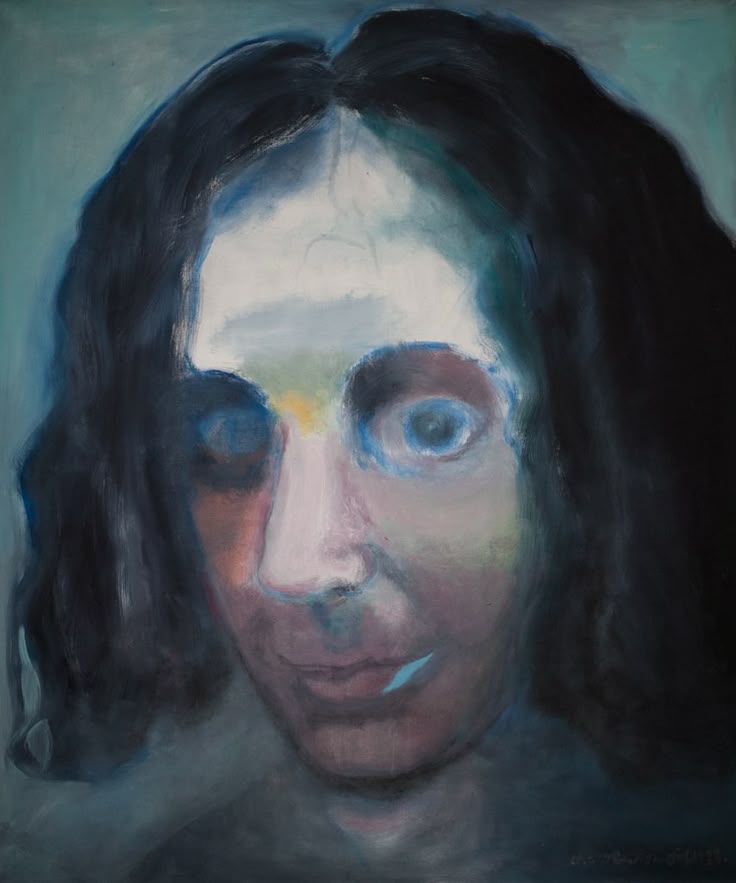
In recent news, South African artist Marlene Dumas achieved a remarkable feat, setting a new world record for the highest price ever achieved by a living woman artist at auction. Her 1997 painting “Miss January” sold for over $13.6 million (approximately R245 million), underscoring the potential and value of South African and African artists in the global market. This sale is not only significant for its monetary value but also for what it represents – a major milestone in the recognition of African artists on the highest echelons of the art world.
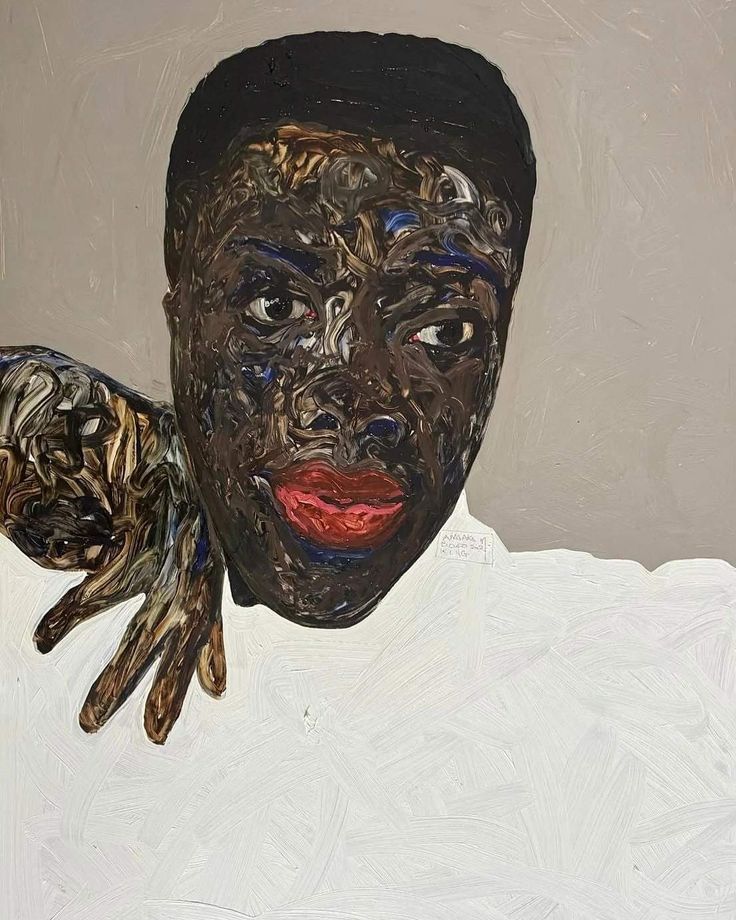
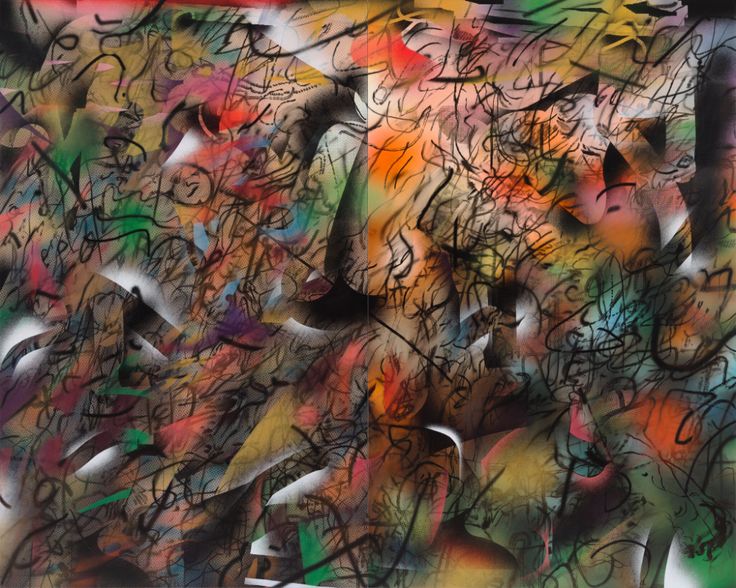
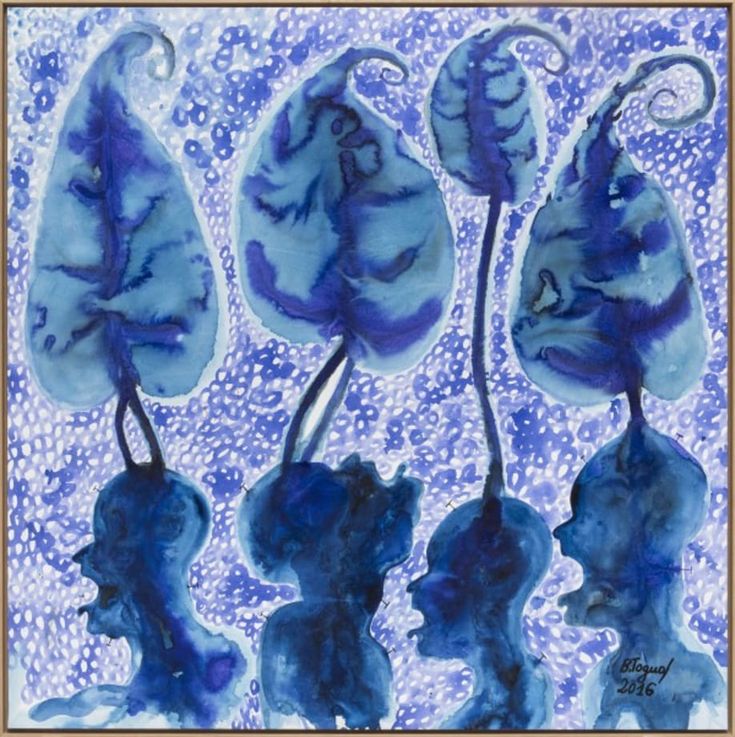
Other contemporary African artists have also consistently performed well at auctions. Figures like Amoako Boafo, Ghizlane Sahli, Barthélémy Tougo, and Julie Mehretu have seen their works command high prices, reflecting the strong demand for their unique styles and perspectives. The market for ultra-contemporary works by African-born artists witnessed a significant surge in recent years, although market fluctuations are expected in any dynamic art sector.
Traditional Art Gains Recognition and Value:
While contemporary art has seen the most dramatic price surges, traditional African art is also experiencing increasing interest and appreciation in the global auction market. Collectors are recognizing the historical, cultural, and artistic significance of traditional sculptures, masks, textiles, and other artifacts. These pieces, often embodying centuries of cultural heritage and craftsmanship, are now being valued not just as ethnographic objects but as significant when works of art.
While individual prices for traditional African art might vary widely depending on factors like age, rarity, provenance, and artistic quality, there is a clear trend of increasing demand and a greater willingness among collectors to invest in these pieces. Auction houses are increasingly featuring traditional African art in their sales, catering to a growing segment of collectors interested in the continent’s rich artistic past.
Driving Forces Behind the Demand:
Several factors are contributing to this surge in demand for African art:
- Increased Global Awareness and Interest in African Culture: The world is becoming increasingly interconnected, leading to greater curiosity and appreciation for diverse cultures, including those of Africa.
- Growing Representation in the Global Art Scene: The increased presence of African artists in international art fairs, biennales, and museum exhibitions has played a crucial role in raising their profile and attracting collectors.
- Desire for Diverse Artistic Voices and Perspectives: Collectors are increasingly seeking out art that offers different perspectives and challenges the traditionally Western-dominated art historical narrative.
- Investment Potential: The art market is often seen as an investment opportunity, and the increasing prices achieved by African artists have attracted both seasoned collectors and new investors looking for promising assets.
- Influence of the African Diaspora: The global African diaspora plays a significant role in supporting and promoting African art, with many individuals and organizations actively collecting and showcasing these works.
The Future Outlook:
The trajectory of African art in the global auction market appears to be firmly upward. With increasing global interest, the continued emergence of talented contemporary artists, and a growing appreciation for the historical and cultural significance of traditional art, the demand is likely to remain strong. This presents exciting opportunities for African artists to gain wider recognition and for the world to engage with the continent’s rich and diverse artistic expressions.
For collectors, both new and established, the African art market offers a chance to acquire unique and historically significant works that are increasingly being recognized for their artistic merit and investment potential. As the global art narrative continues to evolve, African art is rightfully taking its place at the forefront, commanding attention and achieving the record-breaking sales that reflect its true value.