Art as Conversation: Theophilus Busari on Storytelling, Heritage, and Boundless Creativity
In this feature, Theophilus reflects on his artistic journey—from realism to symbolism, from cultural echoes to boundless innovation. He shares how music, memory, and collaboration guide his practice, the challenges and triumphs of creating within the African art landscape, and his vision for immersive, global experiences of Afrocentric storytelling.
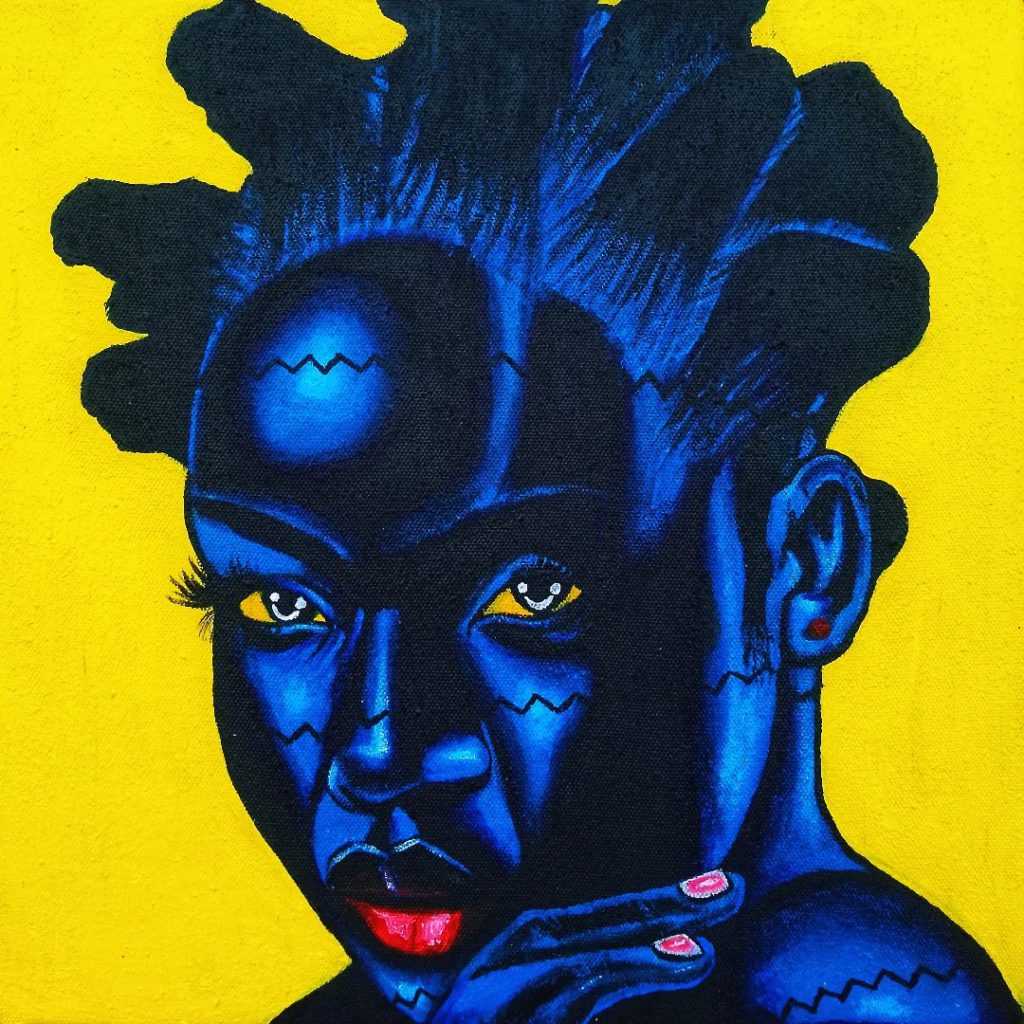
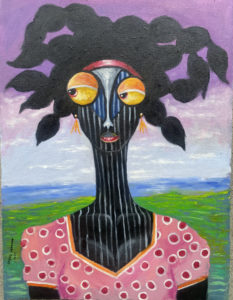
Art, for Theophilus Oluwasegun Busari, is more than brushstrokes on canvas, it is memory, rhythm, and conversation. His creative process begins with whispers of heritage and unfolds into layered works that bridge past and future, rooted in African tradition yet daringly innovative. Through vibrant acrylics, textured elements, and storytelling, he transforms every canvas into a living dialogue, inviting audiences to feel, question, and connect.
In this feature, Theophilus reflects on his artistic journey—from realism to symbolism, from cultural echoes to boundless innovation. He shares how music, memory, and collaboration guide his practice, the challenges and triumphs of creating within the African art landscape, and his vision for immersive, global experiences of Afrocentric storytelling.

Can you describe your creative process from initial concept to the final piece? Are there any rituals or routines you follow?
Every piece begins with a whisper, a memory, an emotion, or a cultural echo I cannot ignore. I carry it with me for days, letting it take shape in my mind before the first stroke. My studio becomes a sacred space; Afrobeat rhythms or the soft pulse of Yoruba drums set the tone. I sketch loosely, allowing intuition to lead. Once the brush meets canvas, I work in deliberate layers, building color, depth, and texture until the story breathes. I end each session by stepping back in silence, letting the work tell me what it needs next.
What materials, techniques, or mediums do you work with, and how do they help you express your vision?
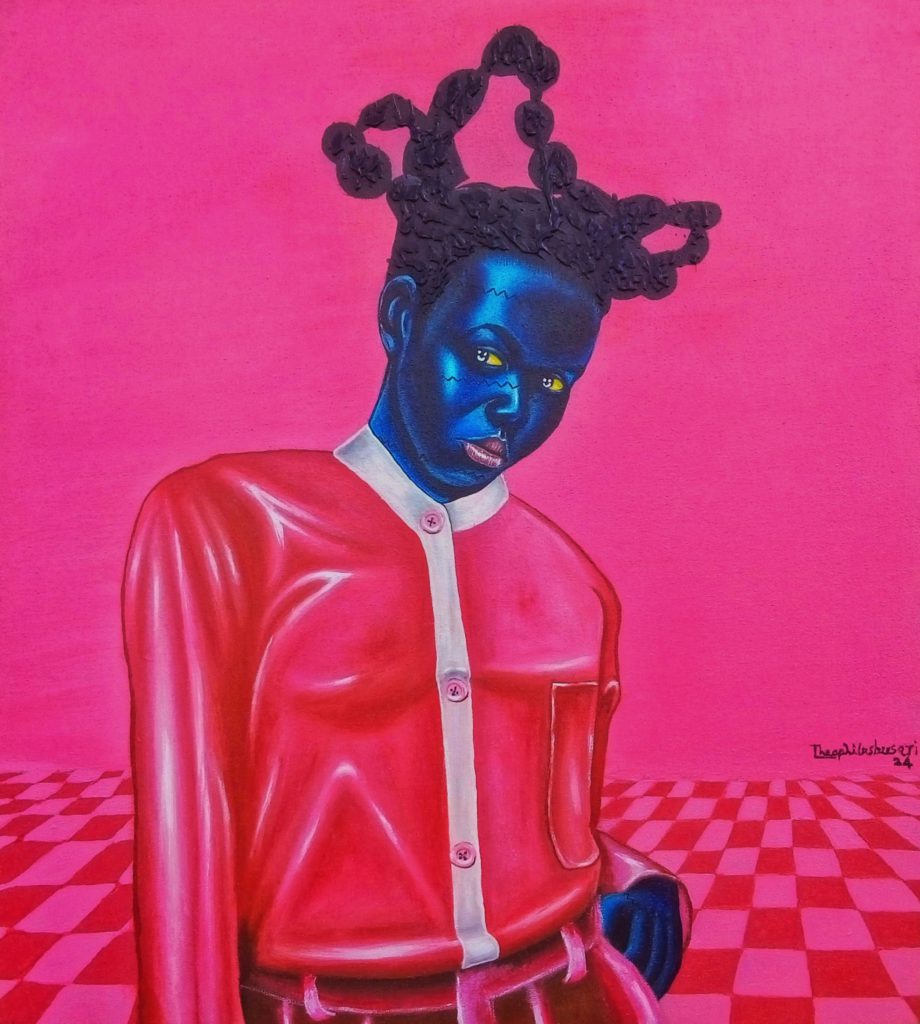
I work primarily with acrylics, their vibrancy mirrors the energy of African life, and their versatility lets me move between detail and abstraction. I often add textured gels, fabrics, or palette knife techniques to create a tactile dimension. For me, texture is memory you can touch, an invitation for the viewer to feel the heartbeat of the story.
How has your artistic style evolved since you first started, and what pivotal moments or influences shaped these changes?
I began in realism, painting what I saw. Over time, I grew bolder, weaving symbolism, folklore, and pattern into my work. A turning point came when I fully embraced African heritage as both my foundation and my horizon realizing my art could be both deeply personal and universally resonant.
How do you balance tradition and innovation in your work, especially when drawing from the rich African artistic heritage?
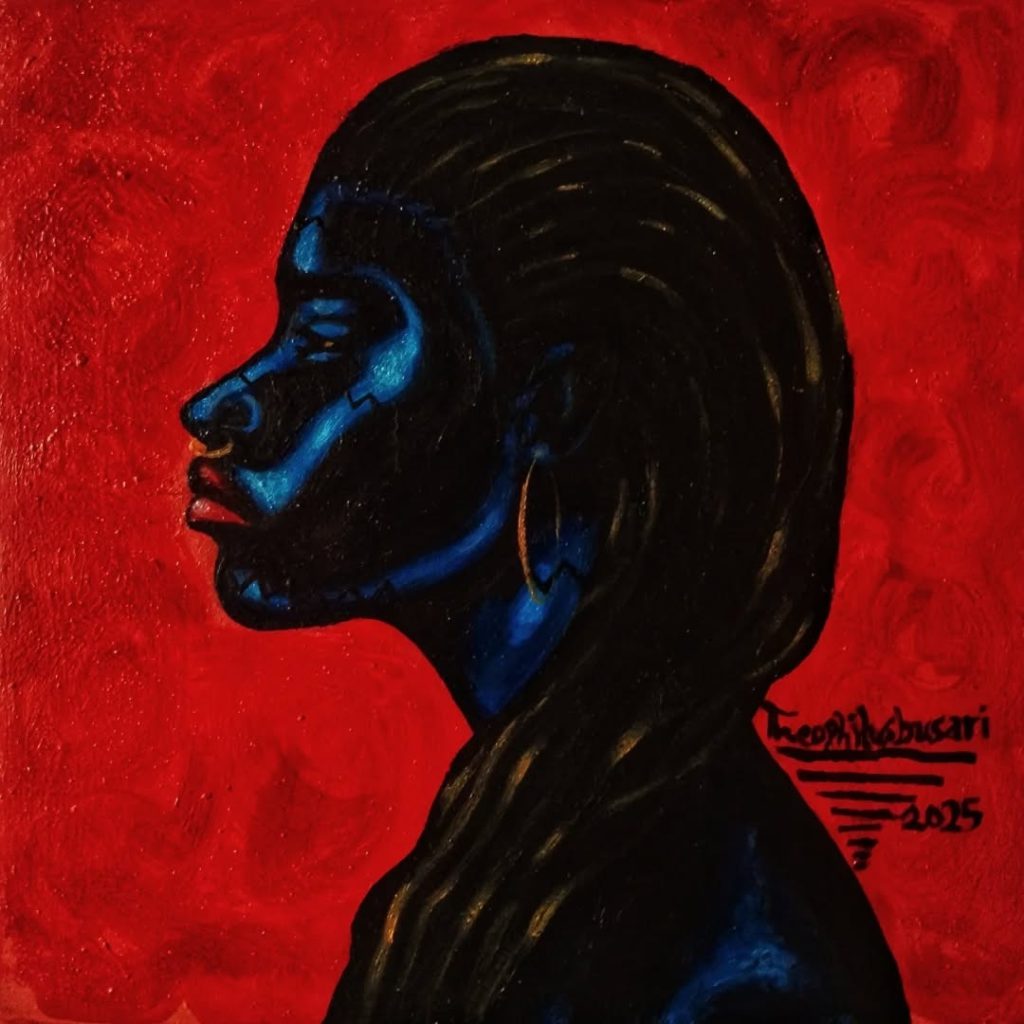
Tradition is my root system, innovation is my canopy. I draw from ancestral motifs, textiles, and colors that feel like home, but I reimagine them through modern compositions, unexpected forms, and layered narratives. It is my way of saying the past is not behind us, it walks with us into the future.
Which emerging or historical African artists do you find particularly compelling or inspiring right now?
Ben Enwonwu’s mastery of blending African tradition with global modernism continues to guide me. Njideka Akunyili Crosby’s layered storytelling reminds me that identity is never one-dimensional, it’s a living collage. Both inspire me to create art that feels rooted yet boundless.
What challenges and triumphs have you encountered as an artist working within or representing the African continent?
One challenge is navigating visibility in the global art world without diluting authenticity. Yet, the triumph is profound witnessing my work spark connection across cultures, proving that African art is not a niche but a universal language.
How do you engage with your audience and what message or emotion do you hope to evoke through your work?
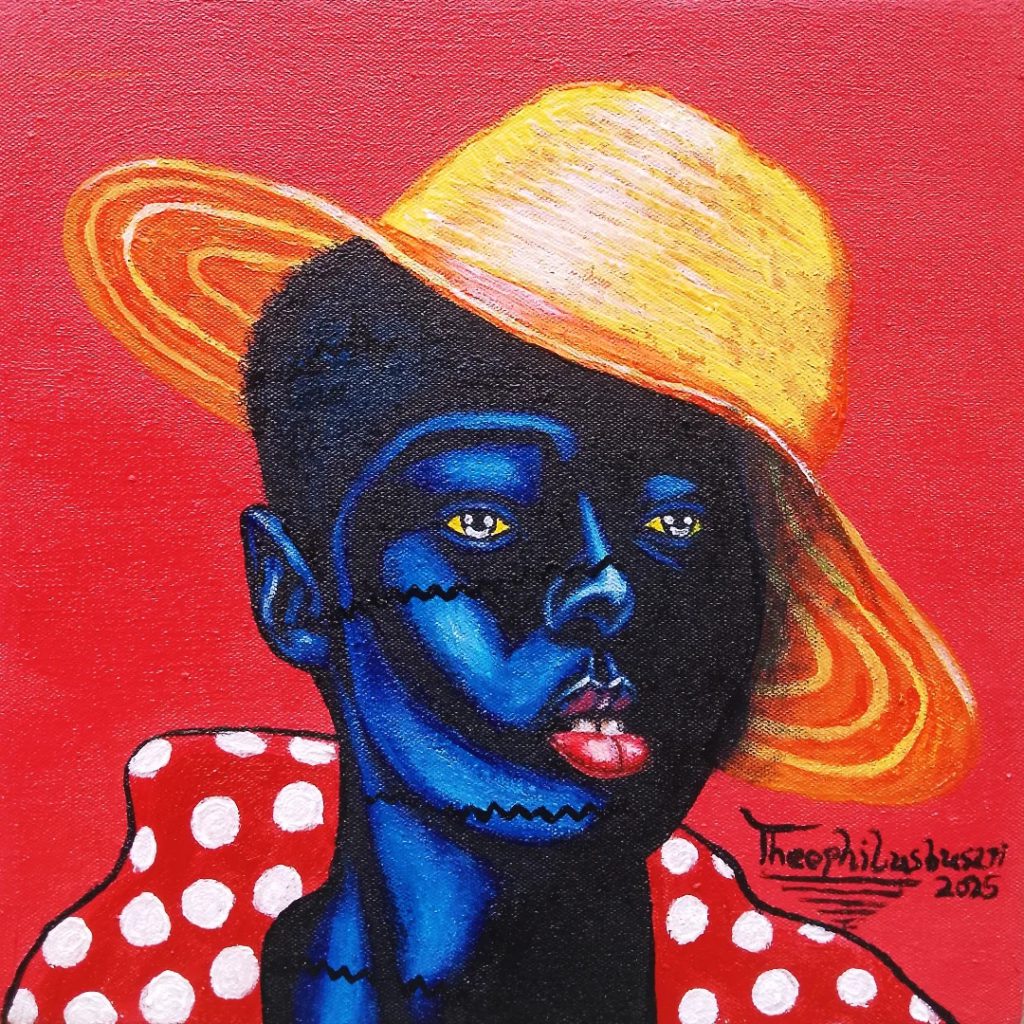
I engage through storytelling in galleries, online, and in personal conversations about each piece’s journey. I hope my work stirs pride, awakens curiosity, and bridges the viewer’s own story with Africa’s story. Above all, I want my art to feel like a conversation that lingers.
What role do community and collaboration play in your artistic journey, if any?
Community is my compass. Collaborations with artists, cultural groups, and craftsmen have expanded my vision, reminding me that art is not only made in solitude which is also woven together in shared spaces.
What are your future aspirations for your art, both in terms of projects and wider reach?
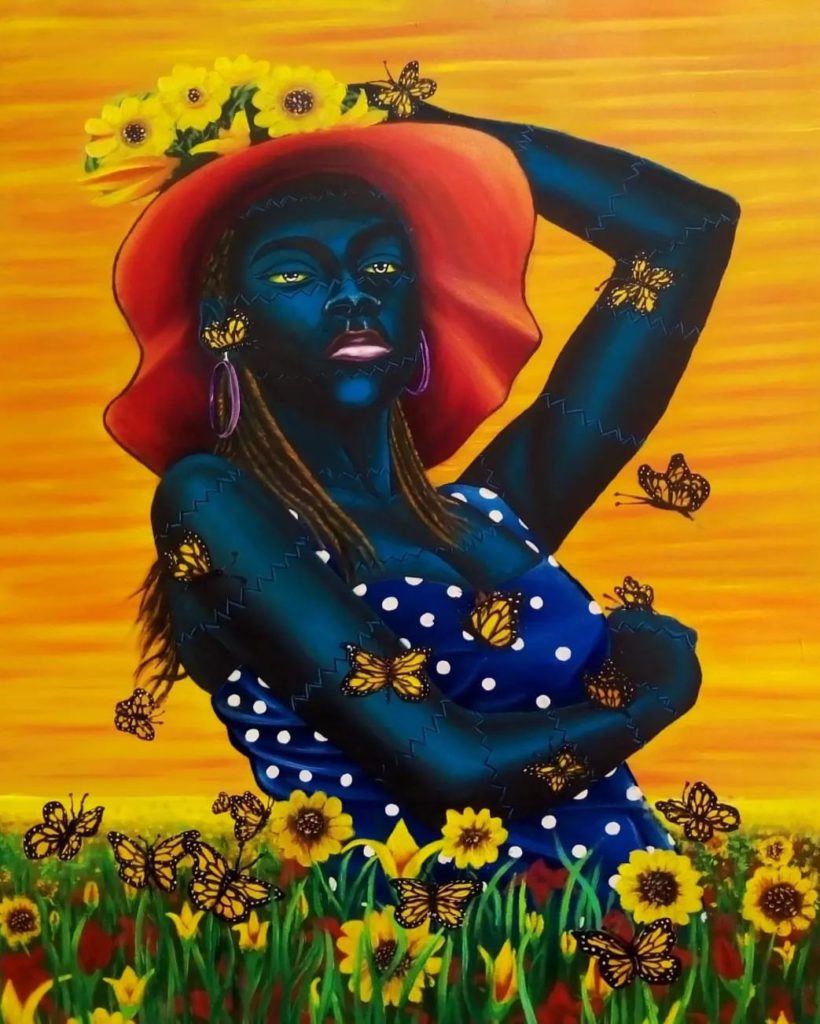
I dream of creating immersive, multi-sensory installations where painting meets fabric, sound, and movement where the viewer doesn’t just see the story but steps inside it. I also aim to take African narratives to more global stages, building bridges between cultures through art.

How can your art be purchased or commissioned?
My works are available for purchase or commission through busaritheophilus@gmail.com and my Instagram https://www.instagram.com/theophilusbusari?igsh=MzZkaW4zY2s0cXpr