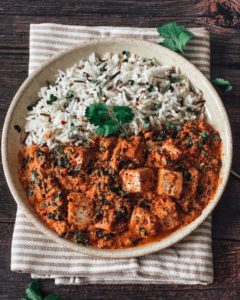
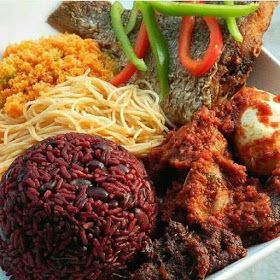
Street Food vs. Gourmet Africa — Who Owns African Cuisine?
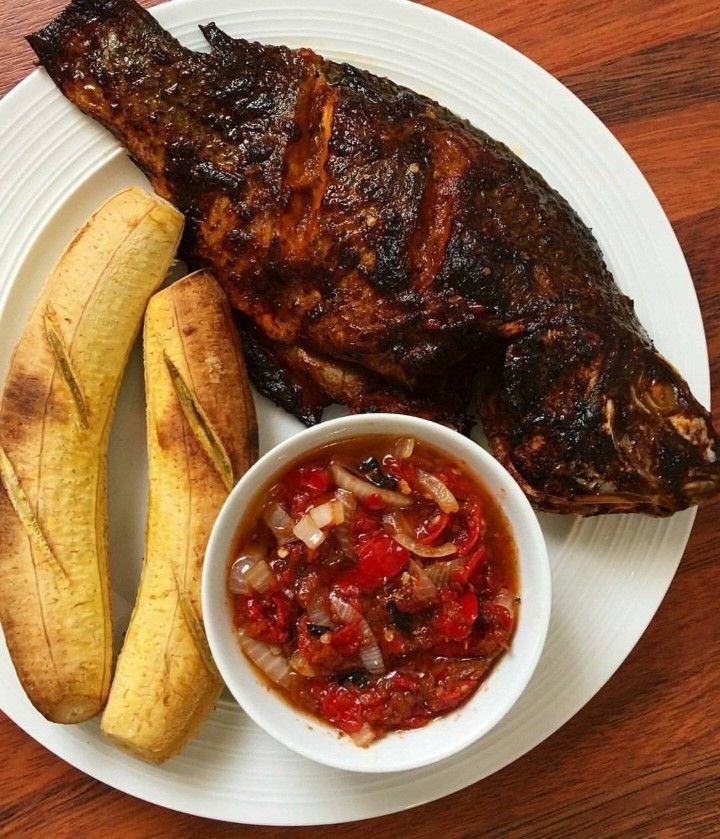
In the bustling streets of Lagos, Accra, and Dakar, the air is thick with the aroma of suya, puff-puff, grilled fish, roasted plantain, and spicy pepper sauce.
It’s loud, it’s vibrant, and it’s unapologetically African.
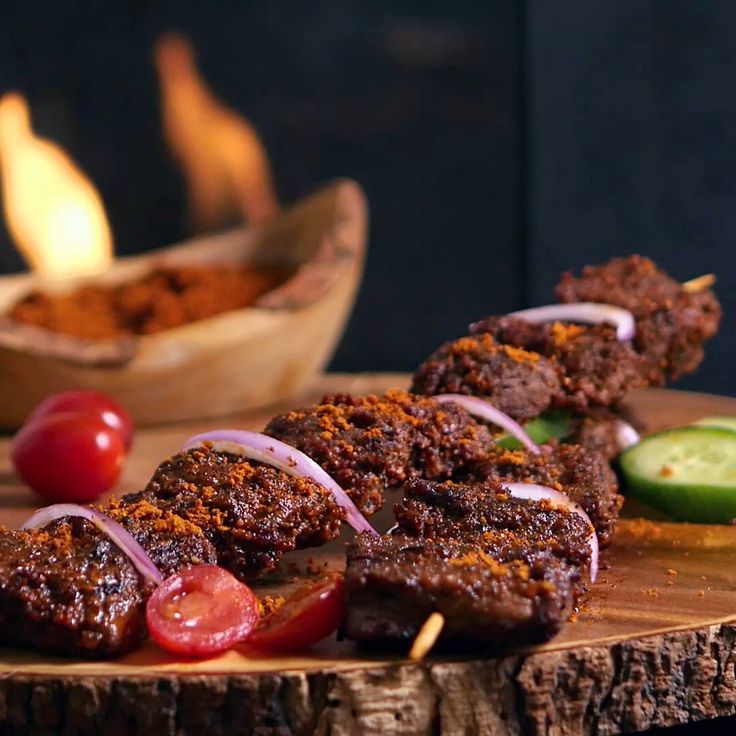
But step into a “modern African restaurant” in London, Johannesburg, or New York and you might find that same suya rebranded as “charred spiced beef skewers” for $45 a plate.
The same moi-moi becomes a “bean mousse.” The same egusi becomes “melon seed velouté.”
The question arises: when African food moves from the street to the gourmet table, who really benefits?
And who decides what counts as authentic?
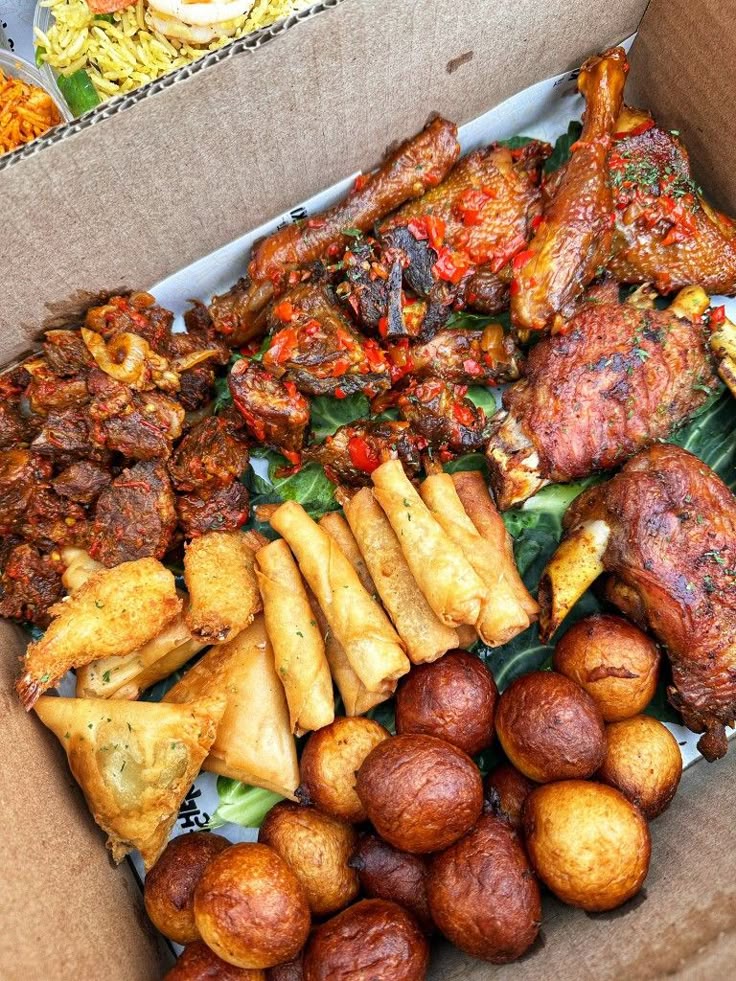
The Soul of African Food Lives in the Streets
For generations, African street food has been the heart of local economies and community life.
From Nigeria’s bukaterias and Ghana’s chop bars, to Kenya’s mutura stands and Senegal’s thieb corners, these are more than food stops — they’re social centers.
Street food is where culture is performed.
It’s where lovers meet after church, students eat on a budget, and workers grab strength before heading to night shifts.
It’s food for the people, by the people.
Yet, despite being the lifeblood of daily African life, street food has long been stigmatized labeled “unhygienic,” “low-class,” or “informal.”
Meanwhile, when these same recipes are repackaged abroad, they’re suddenly “innovative” or “artisanal.”
The Rise of Gourmet African Cuisine
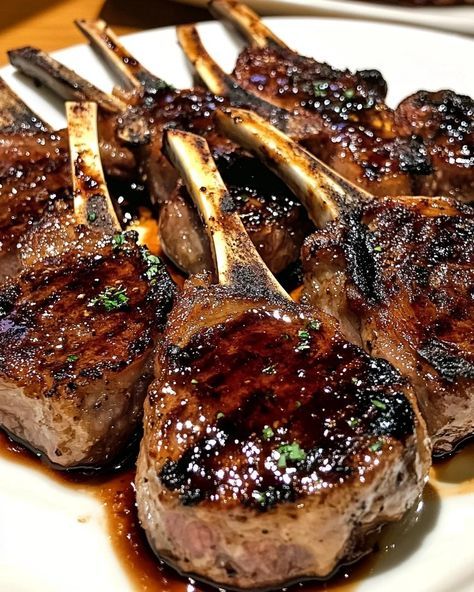
In recent years, African cuisine has entered high-end restaurants, TV shows, and global food festivals.
Chefs like Pierre Thiam, Selassie Atadika, and Moyo Adegbite are redefining African dining, introducing ancient grains, traditional spices, and indigenous cooking techniques to luxury audiences.
This movement is powerful and overdue.
For too long, African food has been underrepresented in the global fine dining conversation.
But as African food enters the gourmet world, a complex tension emerges who gets to tell the story?
Is it African chefs reclaiming the narrative, or foreign chefs monetizing a “trend”?
When Culture Becomes Commodity
Let’s talk numbers.
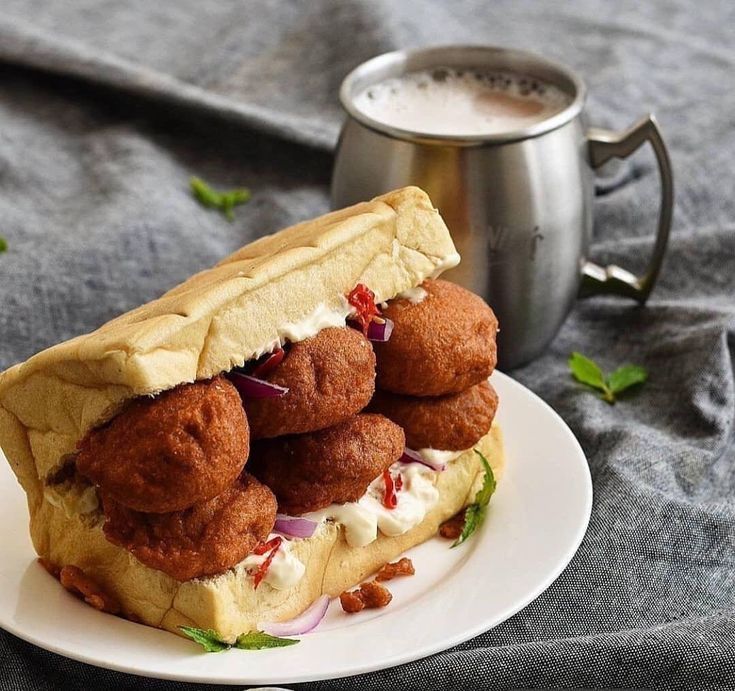
A bowl of Nigerian jollof sold by a street vendor might cost ₦1,000.
The same dish, reinterpreted at a London restaurant, could sell for £25.
The labor, ingredients, and flavor often come from African heritage but the profit and prestige rarely return home.
This is culinary colonization 2.0 where African flavors are celebrated globally, but African cooks and farmers remain invisible in the value chain.
Meanwhile, local street vendors still face harassment, low pay, and lack of recognition even as global magazines celebrate “Afro-fusion cuisine.”
The Power of Presentation and Perception
The difference between “street food” and “fine dining” often isn’t taste its context.
In Africa, eating with your hands might be seen as rustic; in Europe, it’s rebranded as “authentic dining experience.”
Cooking with palm oil is “unhealthy” in African homes but “earthy and organic” in Western restaurants.
It’s all about who’s holding the spoon.
African chefs are now reclaiming that power elevating street recipes without erasing their roots.
Restaurants in Lagos’, Ghana’s Buka, and South Africa’s Marble are proving that presentation and pride can coexist with authenticity.
Street Food Is Sustainability
There’s another truth hidden in plain sight:
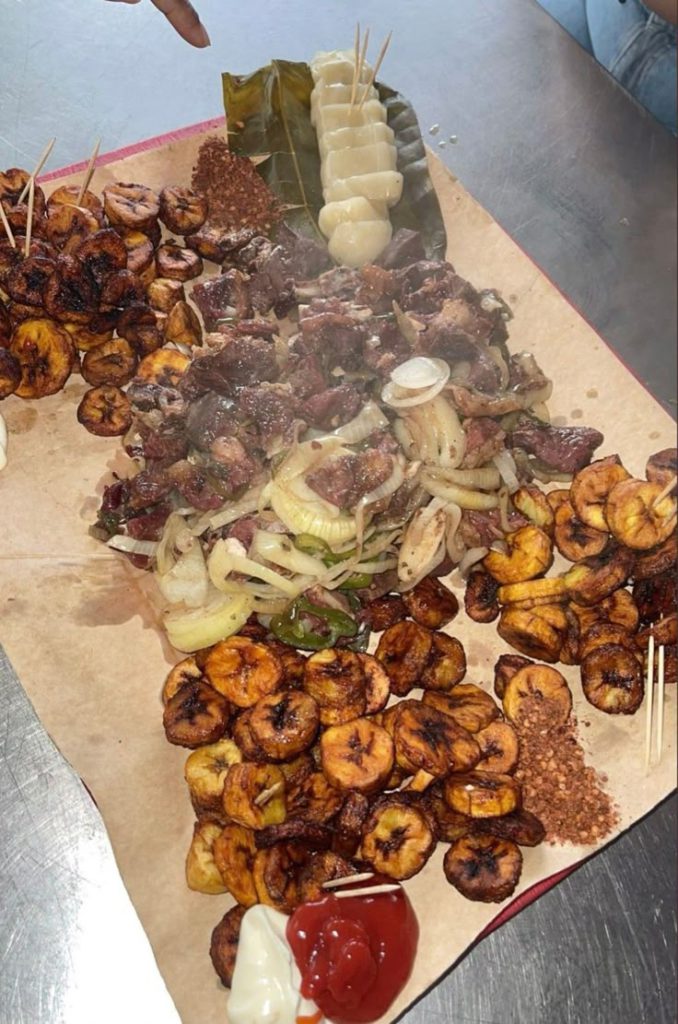
African street food is inherently sustainable.
Vendors use local produce, seasonal ingredients, and minimal waste long before “farm-to-table” became a Western buzzword.
That smoky jollof cooked over firewood?
That’s low-carbon cooking.
That banana leaf wrapping your moi-moi?
That’s biodegradable packaging.
The world could learn a thing or two about eco-eating if only it looked beyond its silver spoons.
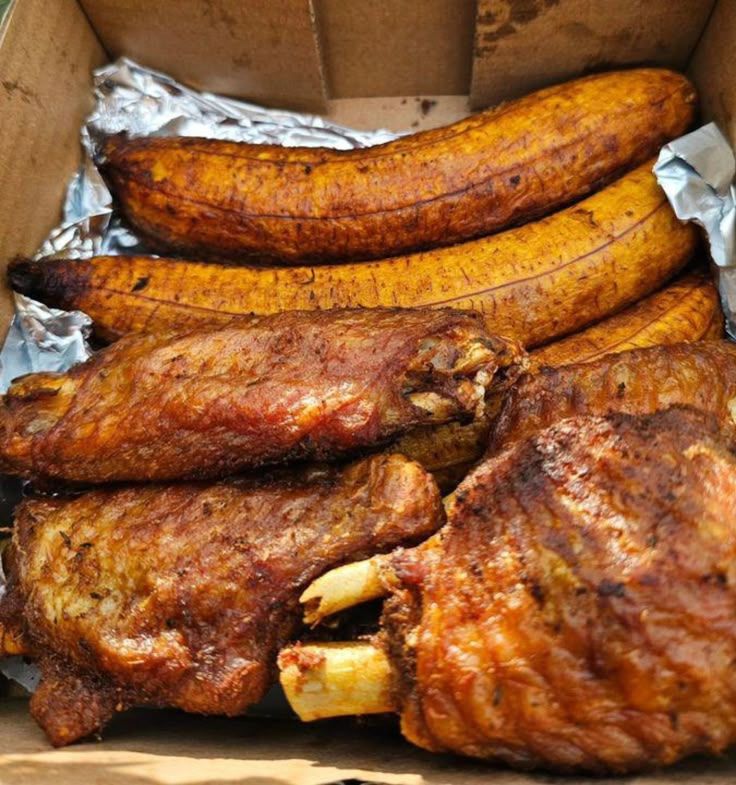
Owning the Narrative: Afro-Gastronomy and Pride
A new generation of African chefs, food bloggers, and entrepreneurs is rewriting the story.
They’re fusing tradition with creativity not for validation, but for representation.
Food collectives like Tastemakers Africa and Eat.Drink.Lagos, and platforms like Ajoke Brown Media, are helping Africans tell their own culinary stories with dignity, depth, and style.
This is Afro-gastronomy: a movement that honors both the street and the gourmet table.
It’s not about choosing one over the other, it’s about reclaiming both.
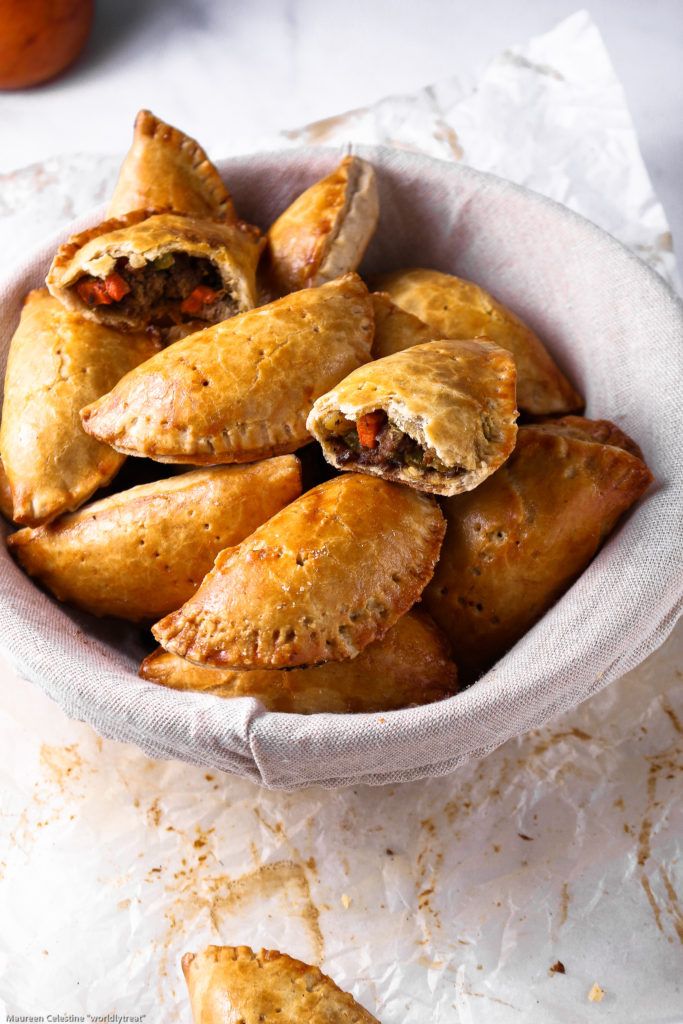
The Real Luxury
The real luxury of African cuisine isn’t in white tablecloths or Michelin stars.
It’s in the laughter that echoes at roadside grills, the auntie who remembers your order, and the friend who insists you try their mother’s secret recipe.
African food doesn’t need validation it needs visibility, value, and voice.
Because whether it’s served in a gold bowl or a plastic plate, African cuisine will always feed the soul before the stomach. And maybe that’s the greatest gourmet experience of all.