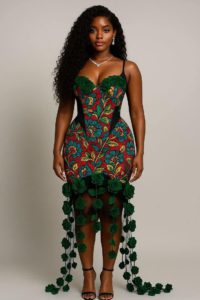
When Fashion Speaks — The African Wardrobe as Protest and Power
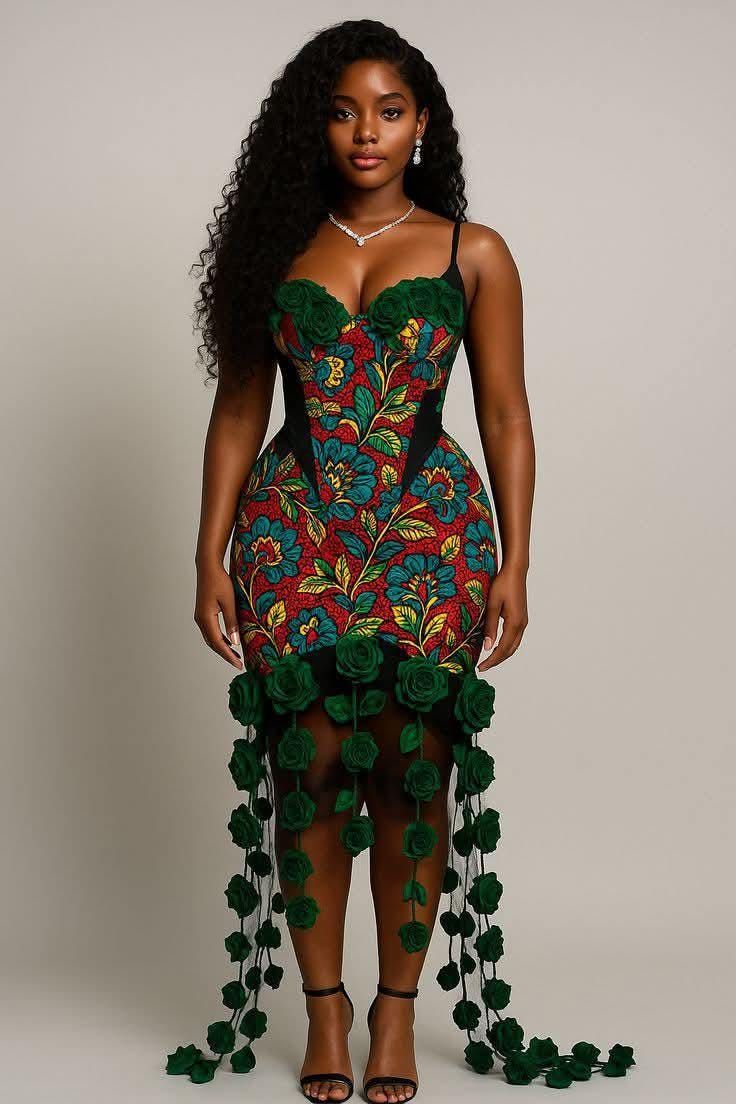
What Are You Wearing, or What Are You Saying?
Clothes don’t just cover the body they speak.
They whisper histories, shout defiance, and sometimes demand revolution.
Across Africa, fashion has never been silent.
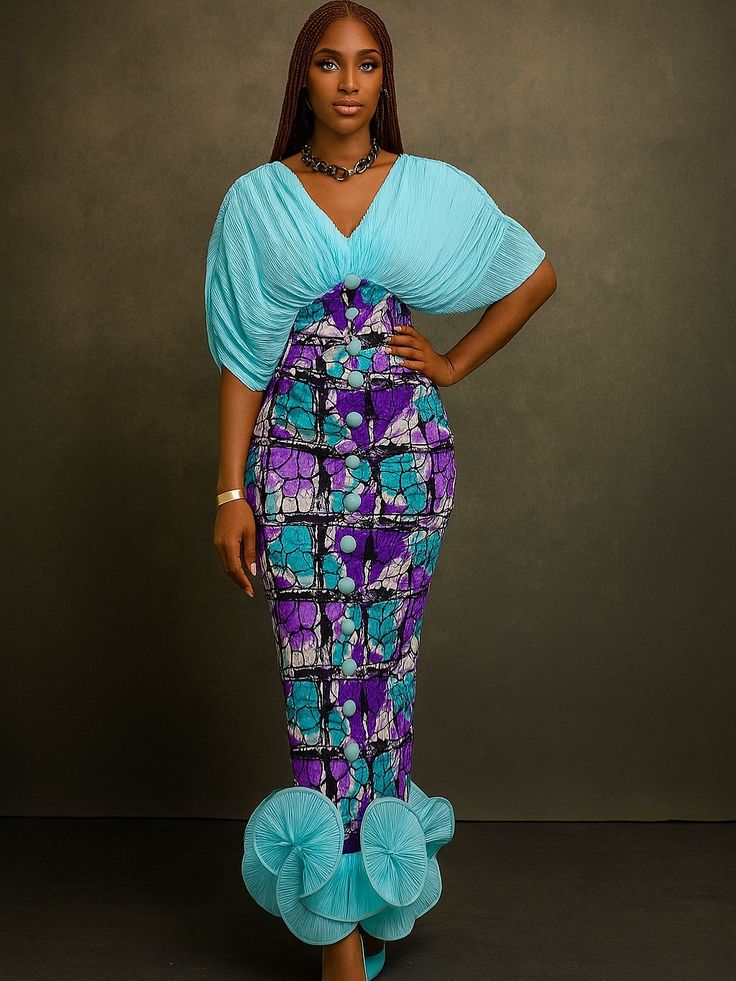
From the colorful ankara worn in independence movements to the black shirts of student protests, African fashion tells stories of resistance and resilience.
What we wear is not just aesthetic it’s political.
Today, as young Africans redefine power and identity, fashion has become a language of protest, pride, and purpose.
And the question isn’t just what’s trending it’s what are we trying to say through what we wear?
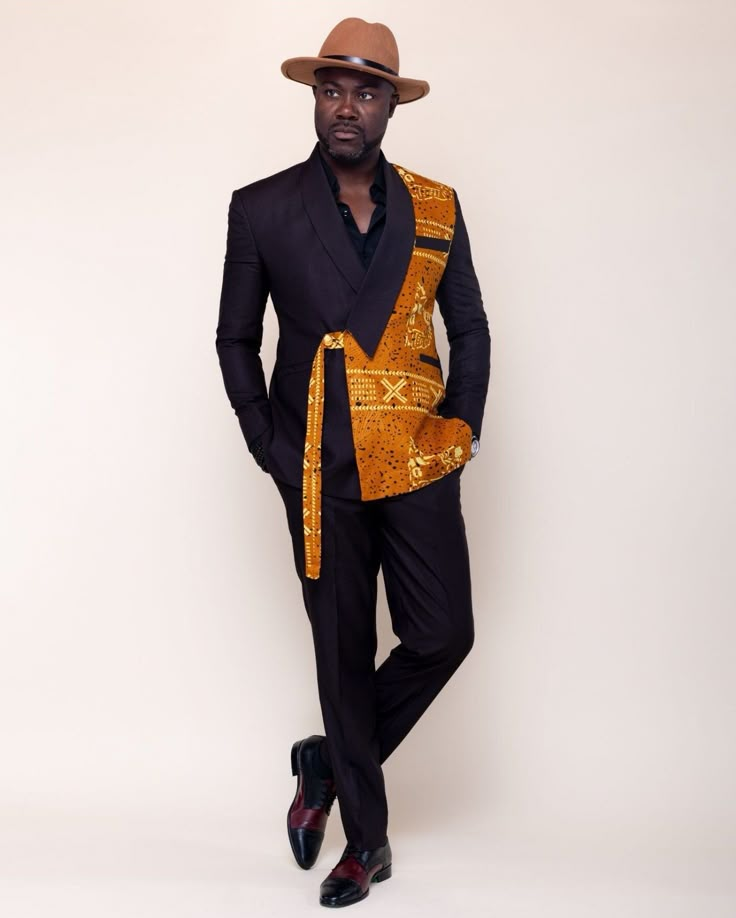
The Colonial Closet — How Fashion Became Political
During the colonial era, clothing was weaponized as a tool of hierarchy.
European colonizers imposed dress codes to distinguish the “civilized” from the “native.”
African men were expected to abandon traditional wrappers for suits; women were encouraged to cover in Victorian blouses.
What seemed like etiquette was actually control — a stripping of identity and cultural pride.
But Africans resisted.
Leaders like Kwame Nkrumah, Thomas Sankara, and Obafemi Awolowo deliberately wore African textiles as acts of rebellion.
The khaki uniform became Sankara’s symbol of anti-imperialist simplicity.
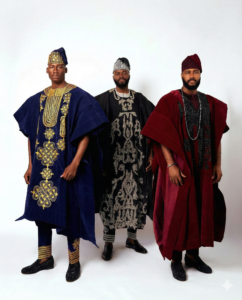
The agbada became Awolowo’s assertion of Yoruba sophistication.
The kente cloth became Ghana’s banner of sovereignty.
Clothing, in Africa, was never neutral. It was political armor.
Independence and the Birth of Afro-Modern Style
Post-independence Africa was a visual revolution.
New nations needed symbols that captured both pride and progress.
African designers, tailors, and weavers rose to the occasion turning cultural heritage into couture.
In Nigeria, aso-oke became national identity; in Kenya, kitenge represented unity.
Women’s headwraps evolved from domestic wear into symbols of confidence and creativity.
Even hairstyles became declarations of independence — the Afro itself became an icon of the Black Power movement, connecting African youth with diasporic identity across oceans.
The message was simple: we are not imitating the West — we are celebrating ourselves.
Fashion and Activism — The Fabric of Protest
Fast-forward to the 21st century.
Fashion activism is not new, but it’s louder, digital, and global.
During the #EndSARS protests in Nigeria, young people didn’t just march they dressed with intention.
Headwraps, graphic tees, and locally made streetwear became tools of self-expression.
Designers created shirts that read “Soro Soke” (Speak Up) a rallying cry stitched in cotton.
In South Africa, student activists during #FeesMustFall wore African prints mixed with slogans, reclaiming academic spaces once dominated by Eurocentric dress codes.
In Sudan, the image of Alaa Salah, dressed in traditional white thobe, leading chants during the revolution, went viral her outfit a symbol of purity, courage, and womanhood.
Across the continent, fashion is no longer about luxury alone — it’s about legacy, language, and liberation.
Gender, Identity, and the New African Expression
Today’s African fashion challenges not only colonial power but also gender and class restrictions.
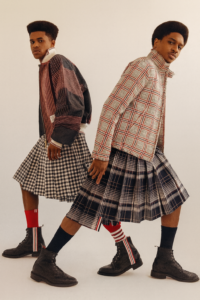
Young designers are creating unisex pieces that blur traditional lines between masculinity and femininity.
The goal isn’t to rebel for rebellion’s sake it’s to question: Who decides what’s appropriate?
In Lagos, brands like Orange Culture redefine masculinity through soft silhouettes.
In Nairobi, designers fuse traditional Maasai beadwork with modern tailoring to express inclusivity.
These clothes aren’t just outfits — they’re arguments in fabric form.
As Adebayo Oke-Lawal of Orange Culture once said:
“Fashion is activism when it tells the truth about who we are.”
From Streetwear to Statewear — When Presidents Wear the People
Fashion’s political symbolism isn’t confined to runways or protests.
African leaders continue to use style to communicate power and solidarity.
When Nelson Mandela wore his signature Madiba shirts, he transformed casual African prints into global diplomacy.
When Goodluck Jonathan chose the Niger Delta bowler hat, he visually anchored his presidency in regional identity.
Even today, African first ladies use style as cultural soft power from Nigeria’s traditional iro and buba to Rwanda’s elegant mushanana.
Fashion diplomacy reminds the world that elegance and intellect coexist — and that African identity can lead without imitating.
Digital Activism and the New Cultural Economy
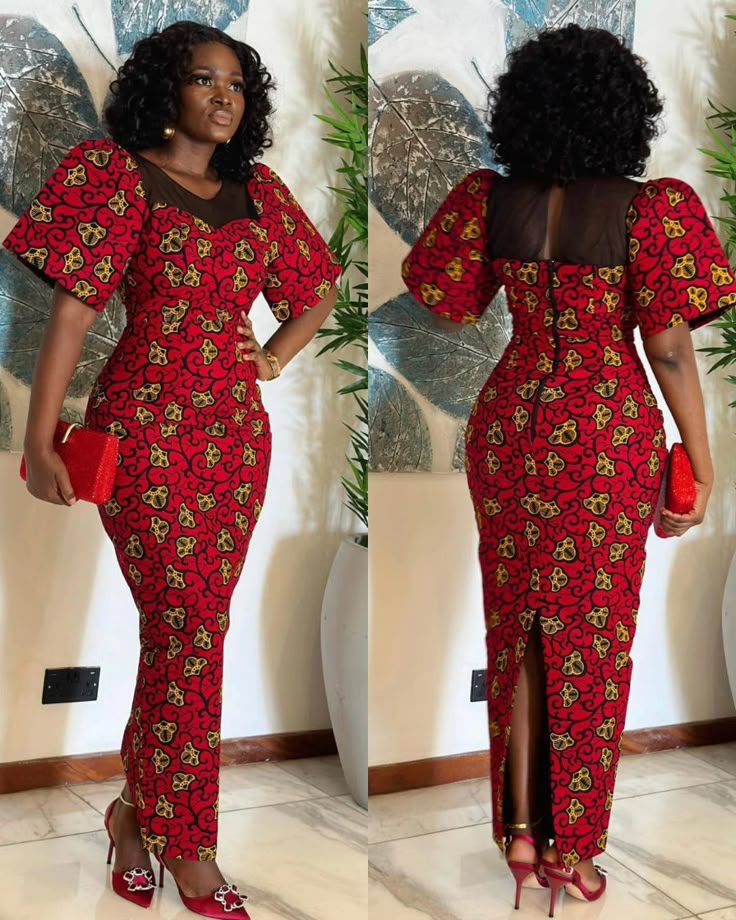
Instagram has turned African fashion into a movement and a marketplace.
Designers now use hashtags, pop-up shops, and collaborations to amplify cultural narratives.
But beyond business, fashion storytelling online is driving cultural awareness.
Pages like @thestylehq, @africanfashionfoundation, and @ajokebrownmedia showcase not just beauty but the politics behind it.
Every outfit becomes content. Every post becomes protest.
African youth are rewriting what visibility looks like and they’re doing it in color, texture, and truth.
The Future — Sustainable and Symbolic Fashion
The next wave of African fashion activism lies in sustainability.
From upcycled Ankara pieces to locally sourced cotton, designers are proving that protecting the planet is also an act of liberation.
Eco-conscious brands like NKWO Nigeria, Studio 189, and Tongoro merge environmental ethics with cultural storytelling.
By rejecting fast fashion’s waste and exploitation, they’re saying: Africa deserves better from both the world and itself.
Fashion is no longer just aesthetic; it’s ethical.
And every stitch tells a story of self-reliance, pride, and possibility.
Dressing as a Declaration
In Africa, what you wear is never just about fashion it’s about identity, history, and hope.
When a woman wraps her gele, she crowns herself queen.
When a man wears his agbada, he carries generations of dignity.
When a youth paints slogans on a T-shirt, he transforms his body into a billboard of change.
African fashion speaks sometimes softly, sometimes in thunder.
And as long as fabric exists on this continent, our clothes will continue to tell the story of a people who refuse to be silenced.
Because in the end, to be African is not just to dress beautifully It’s to dress meaningfully.