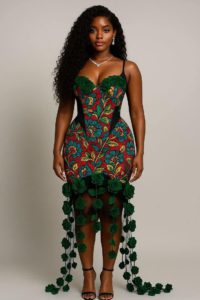
The Price of Authenticity — When African Culture Becomes Global Aesthetic
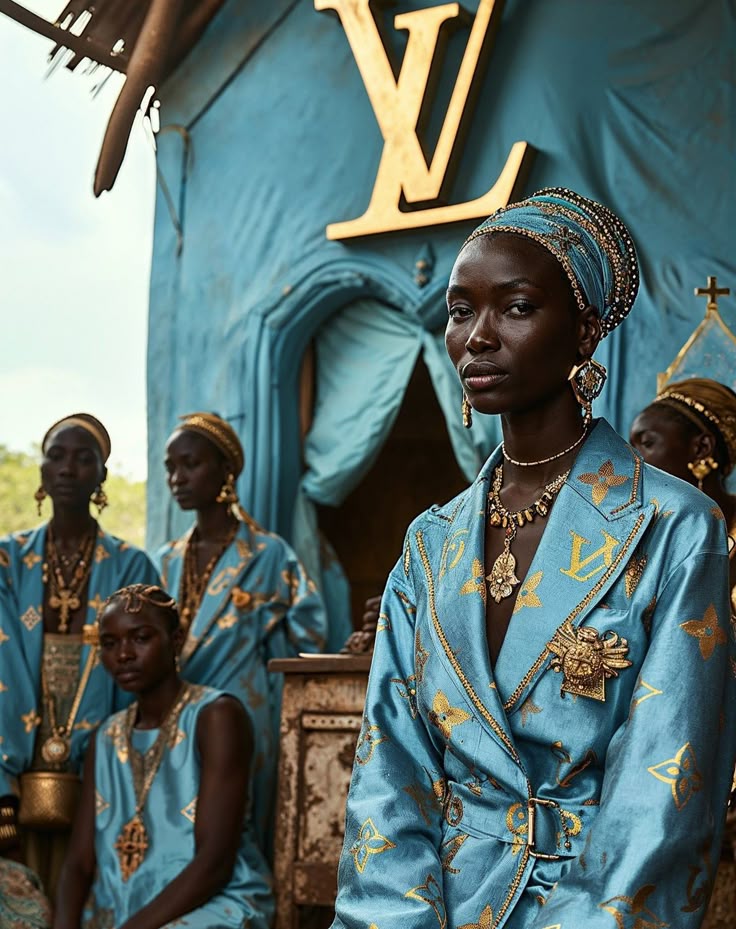
It’s 2025, and Africa is trending again.
From Ankara prints in Milan to Afrobeat beats in Los Angeles, the world can’t get enough of “African flavor.”
But beneath the glitter and applause lies a complicated truth: the world often loves Africa’s aesthetics more than it loves Africans themselves.
What does authenticity mean in a global culture that picks and packages African identity for profit?
When “tribal” patterns, Afro hair, and spiritual symbolism become Instagram backdrops, who owns the story and who’s left out of the profit?
This is not just about fashion or music. It’s about power, ownership, and the eternal question: who gets to represent Africa in the global marketplace of beauty and meaning?
Cultural Appreciation or Cultural Extraction?
African culture has always been abundant rhythm, pattern, color, and story.
But in the 21st century, abundance attracts appropriation.
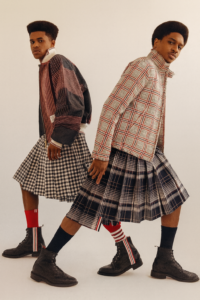
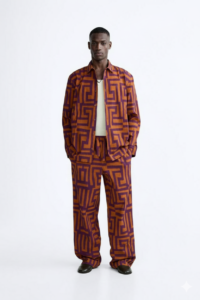
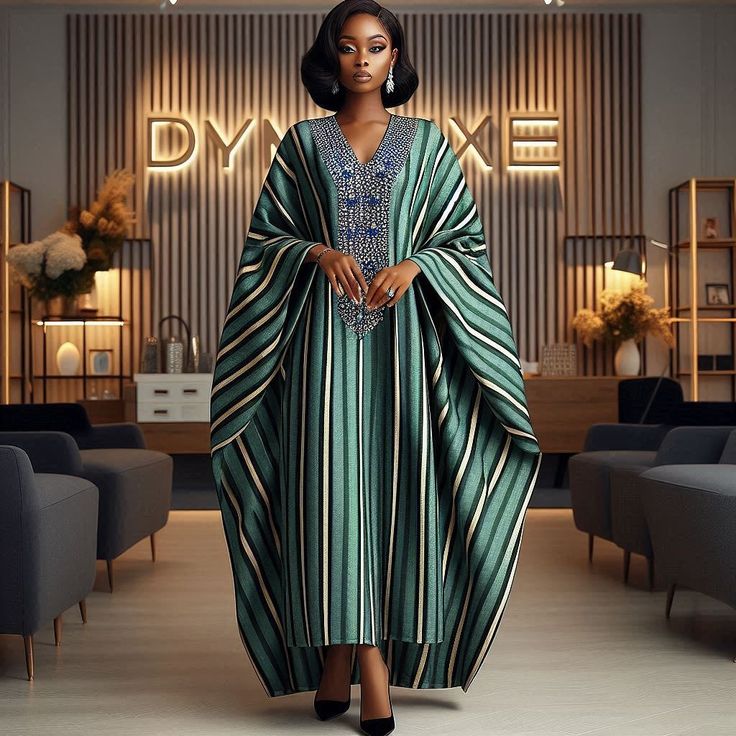
Designers across Europe and the U.S. frequently use African-inspired prints, cowrie shells, and beadwork without crediting their origins.
Fashion houses have showcased “tribal chic” collections, while African artisans struggle to sell authentic work at local markets.
When Western brands profit off cultural motifs they barely understand, it’s not appreciation it’s extraction.
Appreciation uplifts, credits, and collaborates.
Extraction exploits, exoticizes, and erases.
The issue is not that African culture is shared it’s that it’s stripped of context, repackaged for Western consumption, and sold back to Africans as luxury.
The Colonial Hangover in Global Style
To understand the power imbalance in cultural aesthetics, we must revisit colonial economics.
For centuries, Africa supplied the world with raw materials gold, ivory, rubber, oil and received finished goods in return.
Now, in the cultural economy, the same pattern persists.
Africa exports creativity music, art, style, spirituality while the West controls production, marketing, and global visibility.
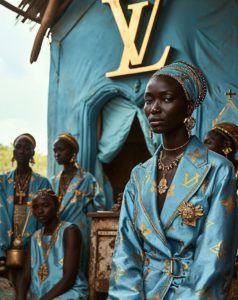
When Beyoncé’s Black Is King dropped, the world praised it as a celebration of African royalty and rightfully so.
But for many Africans, it also raised a question: why does the world need a Western interpreter to validate African beauty?
This paradox defines the modern creative landscape African culture as muse, not master.
The Rise of the Global African Creative
Thankfully, this narrative is shifting.
A new generation of African creatives is reclaiming authorship.
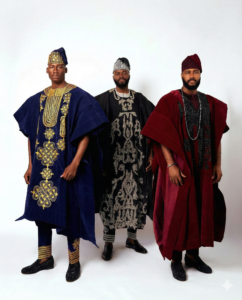
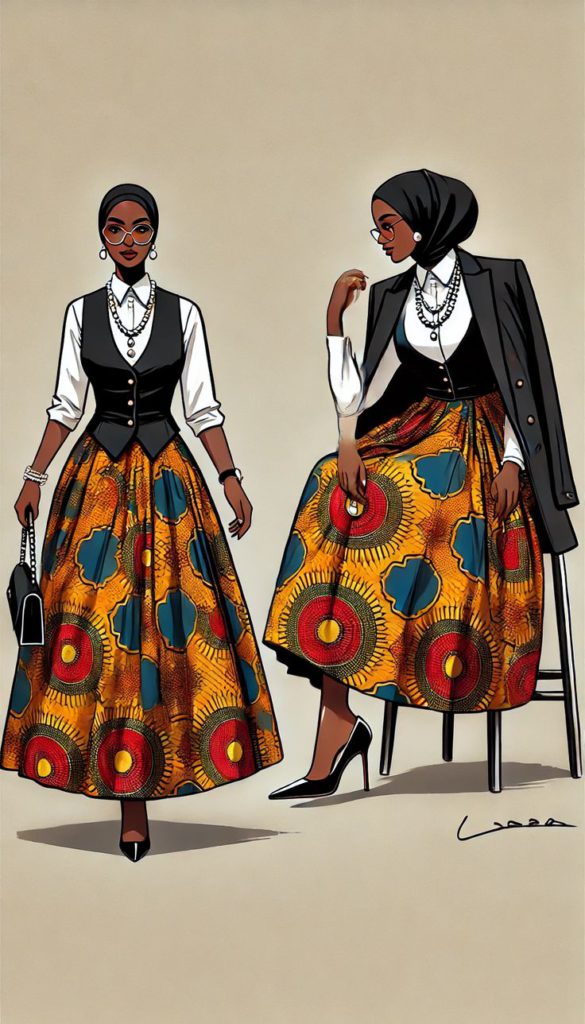
Nigerian designers like Lisa Folawiyo, Kenneth Ize, and Thebe Magugu are redefining “luxury African fashion” on their own terms.
Filmmakers like Ava DuVernay and Kunle Afolayan are building bridges between African storytelling and global platforms.
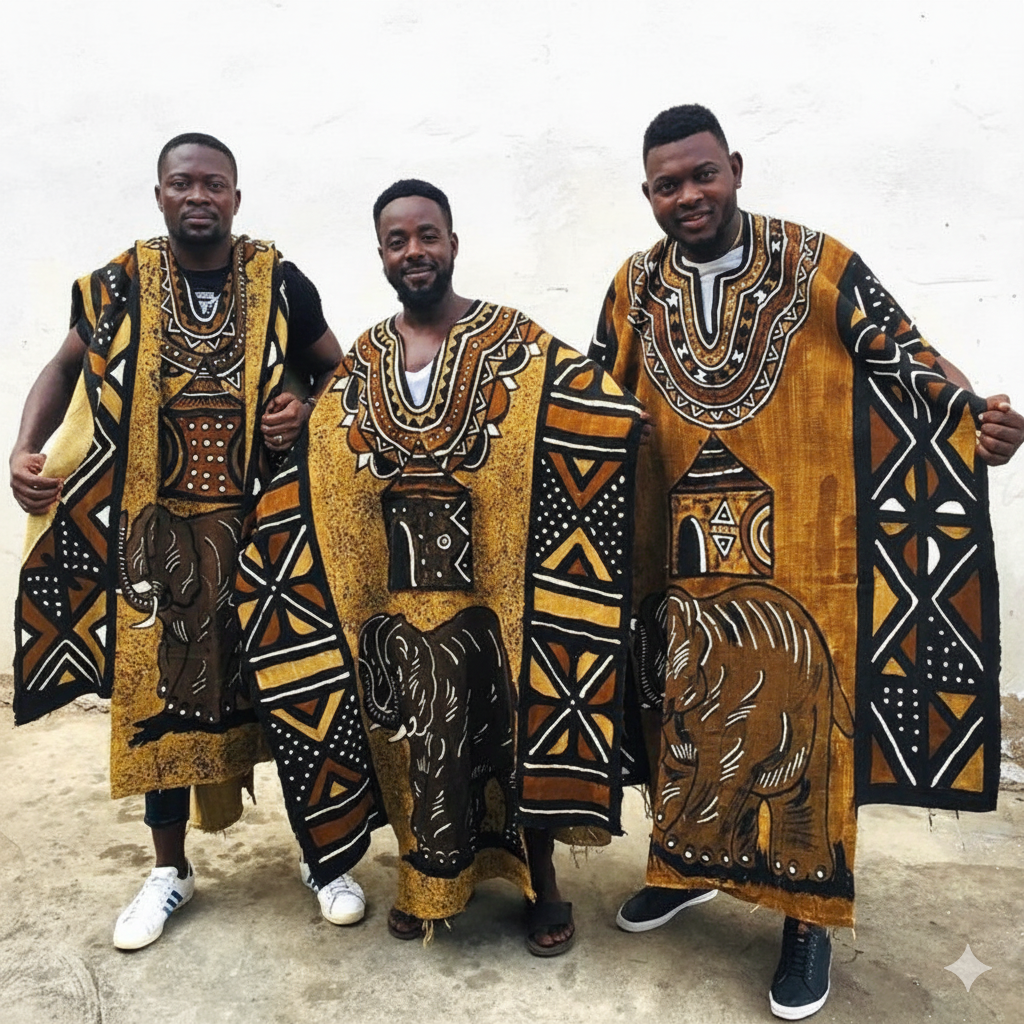
Artists like Alechia Walker and Laolu Senbanjo fuse traditional Yoruba motifs with modern aesthetics, reminding the world that African art doesn’t need translation only recognition.
Social media has also leveled the field.
Instagram, TikTok, and Pinterest now allow young African creators to bypass Western gatekeepers and connect directly with audiences.
The result? A cultural renaissance rooted not in imitation, but in authenticity.
The Psychology of Imitation — Why the World Needs “Africa”
There’s something magnetic about African expression. It’s soulful, unapologetic, and rooted in community.
But global fascination with “African aesthetics” often reveals a deeper yearning the West’s hunger for connection, rhythm, and spiritual meaning in a hyper-industrialized world.
Africa, in this sense, becomes a metaphor for freedom, color, and belonging.
But when that metaphor replaces the real people, histories, and struggles behind it, authenticity turns into a costume.
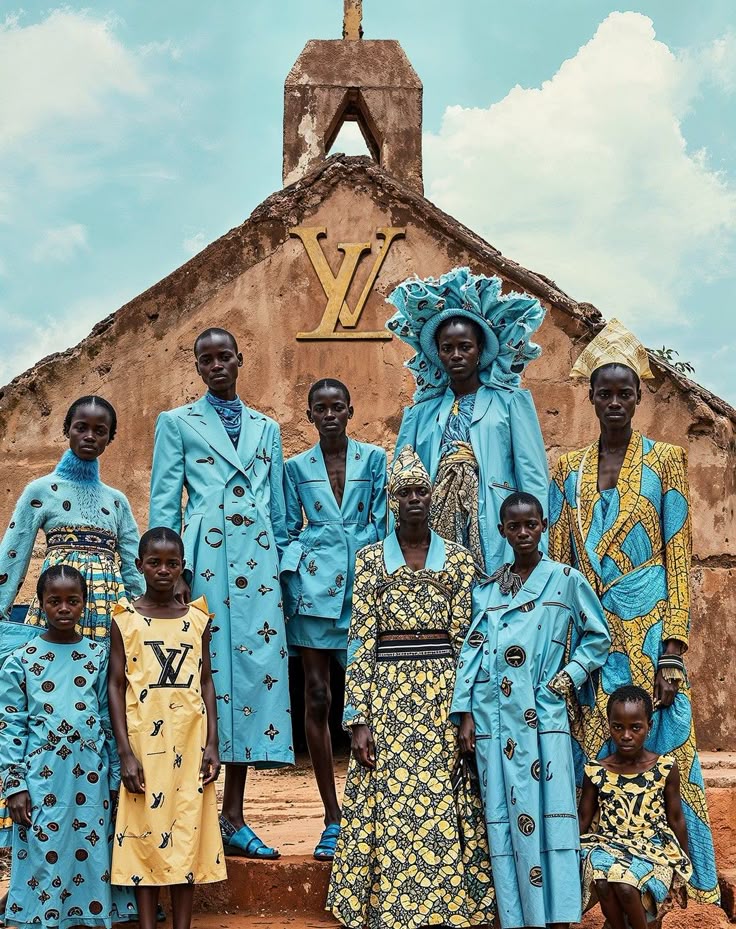
We see it in influencers wearing kente stoles at festivals, in brands printing “Wakanda Forever” T-shirts without employing a single African designer, and in luxury brands charging thousands for “African-inspired” bags made in Italy.
The problem is not imitation — it’s invisibility.
The Cost of Authenticity for African Creatives
For African creatives, authenticity can be both an advantage and a trap.
On one hand, being “authentically African” attracts attention and funding. On the other, it risks pigeonholing their creativity into predictable tropes Ankara, drums, beads, or Afrobeat.
If a designer experiments with minimalism or futurism, critics often ask, “Where’s the African element?”
As if African creativity must always look like heritage to be valid.
But authenticity isn’t about aesthetics; it’s about integrity. It’s the courage to tell your truth whether that truth looks like Lagos streetwear, digital art, or an Afrofuturist installation.
As Kenyan filmmaker Wanuri Kahiu said,
“We are not just trauma, tradition, and poverty. We are joy, play, and imagination.”
Ownership Is the New Authenticity
The true revolution is not in creating African-inspired art it’s in owning it.
Ownership means controlling production, trademarks, distribution, and storytelling.
When African artisans collaborate directly with global brands not as muses, but as partners the dynamic changes. When African photographers license their work internationally, when local brands export sustainably made textiles, when young Nigerians build fashion empires from Yaba to New York that’s authenticity in action.
Authenticity is not in the motif. It’s in the money trail.
The Diaspora Bridge — Shared Heritage, Shared Responsibility
The African diaspora also plays a crucial role in this conversation.
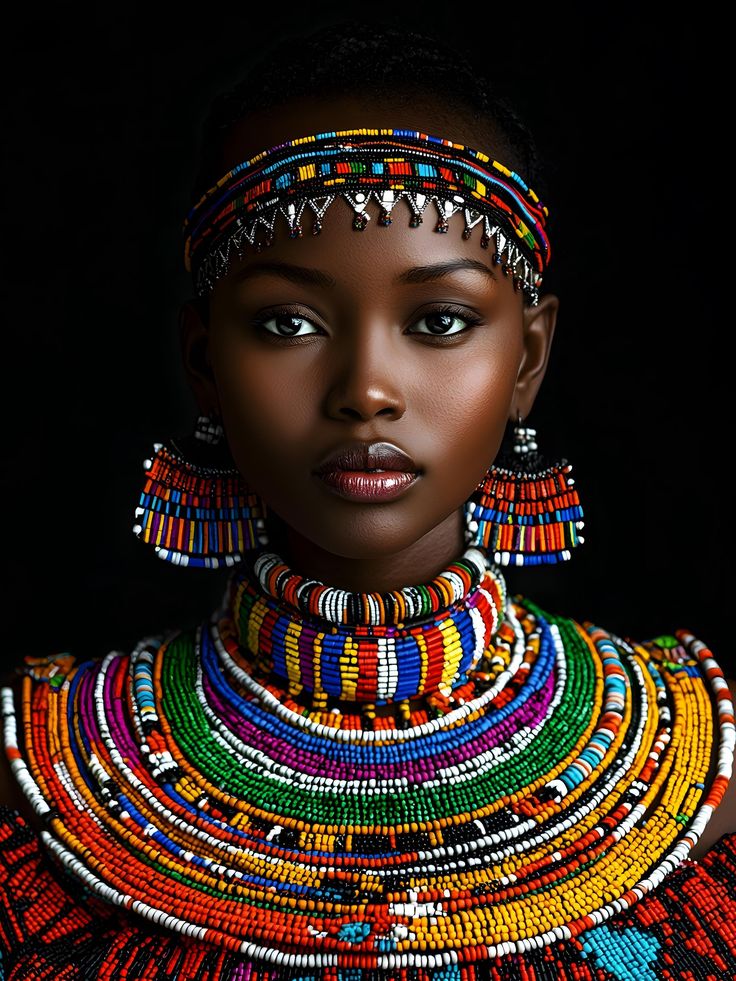
Black creators across the U.S., U.K., and Caribbean are reconnecting with African roots not through imitation, but through solidarity. Afrobeats collaborations between Nigeria and the diaspora (like Burna Boy x Stormzy or Tems x Drake) show how cultural exchange can be equitable when grounded in respect and collaboration. Diaspora pride has reignited global interest in African fashion, but now it must translate into structural empowerment, investment, mentorship, and market access for creators on the continent. The Price and Power of Staying True
The world’s love for Africa is not new but how Africa responds this time will define its future.
We no longer need validation. We need valuation. Authenticity is not just about staying “true to your roots” it’s about owning them.
It’s not about keeping culture pure, but keeping it powerful. So when the next fashion house or pop star borrows from Africa, the question should no longer be, “Is it inspired?”
It should be, “Who got paid?” Because in the new Africa, authenticity isn’t just heritage it’s currency.