Fusing Heritage with Modern Design and Entrepreneurship
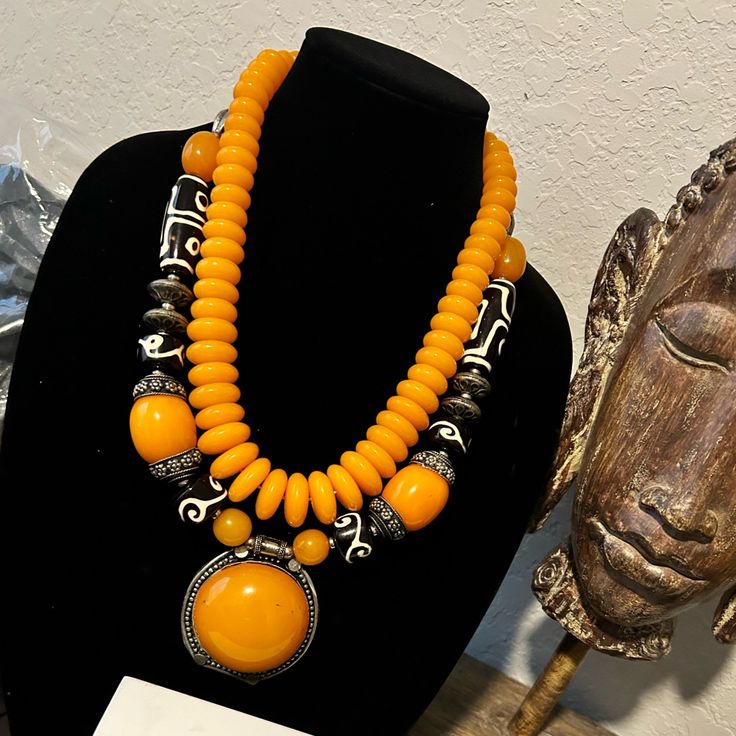
The legacy of Nigerian adornment, stretching from the ancient masterpieces of Ife and Benin to the intricate beadwork of the Yoruba and Igbo, is not confined to museums or historical texts. Today, a vibrant new generation of Nigerian jewelry designers is actively reclaiming this rich heritage, reinterpreting traditional aesthetics and techniques through a distinctly modern lens. These contemporary artisans are not merely mimicking the past; they are innovating with new materials, challenging conventional forms, and telling fresh narratives that resonate both locally and on the global stage. This movement represents a powerful fusion of deep cultural roots with cutting-edge design and entrepreneurial spirit, charting an exhilarating future for Nigerian jewelry.
I. The “Natural Synthesis” of Adornment
Just as the Zaria Art Society once championed “Natural Synthesis” in painting and sculpture, contemporary Nigerian jewelers are applying a similar philosophy to adornment. They are:
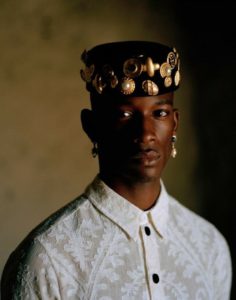
Drawing from Traditional Motifs and Symbolism: Designers are inspired by the geometric patterns of traditional textiles (Aso-Oke, Adire), the symbolism of ancient bronze castings (leopard, mudfish, snake), or the color codes of beadwork. They might abstract these motifs, combine them in new ways, or subtly embed them into sleek, modern designs.
Modernizing Traditional Materials: While some continue to use gold, silver, and beads, there’s a growing trend to incorporate traditional Nigerian materials (like reclaimed brass, local seeds, semi-precious stones found in Nigeria) into contemporary forms, giving them new life and relevance.
Celebrating Cultural Narratives: Each piece often tells a story rooted in Nigerian folklore, proverbs, historical events, or personal experiences, making the jewelry not just beautiful but also meaningful and engaging.
II. Innovation in Materials and Techniques
Contemporary Nigerian jewelers are boldly experimenting with a diverse range of materials and pushing the boundaries of traditional techniques:
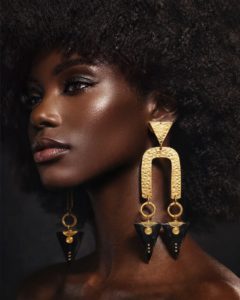
Precious Metals with a Twist: While gold and silver remain popular, designers are exploring different finishes (matte, hammered, oxidized), incorporating textures inspired by traditional metalwork, or combining them with unexpected elements.
Upcycling and Sustainable Sourcing: A notable trend is the use of reclaimed materials, such as repurposed brass from old plumbing pipes, or upcycled waste materials (e.g., plastic, glass fragments). This focus on sustainability aligns with global ethical consumption movements and connects to the historical resourcefulness of African artisans.
This also includes ethical sourcing of local gemstones and minerals where applicable.
Mixed Media Integration: Jewelers are increasingly combining metal with wood, leather, fabric, resin, or even unconventional materials, creating visually interesting contrasts and textures.
Advanced Manufacturing with Handcraft: While retaining the beauty of handcraft, some designers are exploring how technology (e.g., 3D printing for models, precision laser cutting) can enhance their production process while still maintaining the artisanal quality of the finishing.
III. Key Players and Influential Brands/Designers
The contemporary Nigerian jewelry scene is burgeoning with talent. Here are examples of types of designers and brands making an impact:
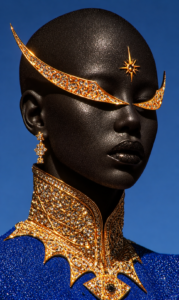
Conceptual Designers: These artists often use jewelry as a medium for social commentary, identity exploration, or artistic expression, sometimes creating pieces that blur the line between jewelry and sculpture. Their work might be featured in art galleries as much as boutiques.
Luxury and Bespoke Brands: Many Nigerian designers are creating high-end, bespoke pieces for a discerning clientele, often using precious metals and stones, infused with Nigerian cultural motifs. They compete on a global luxury scale.
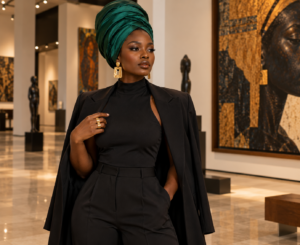
Afro-Contemporary Brands: A significant number of brands focus on creating accessible yet stylish jewelry that distinctly carries an African or Nigerian aesthetic, appealing to a broad market that seeks unique, culturally rich accessories for everyday wear or special occasions.
Examples of themes: Adinkra symbols, Nsibidi scripts, traditional mask elements, natural forms from Nigerian flora and fauna, architectural details.
Specialists in Specific Materials: Some designers might specialize in reinterpreting traditional beadwork, working with specific types of metal, or focusing on leather and natural materials, bringing a contemporary twist to these specific crafts.
IV. Global Appeal and Market Presence
Contemporary Nigerian jewelry is not just for the local market; it has a significant and growing global appeal.
Online Presence: E-commerce platforms, social media, and dedicated online marketplaces (like Etsy, or specialized African art/design platforms www.ajokebrownmedia.com) have allowed Nigerian designers to directly reach international customers, bypassing traditional retail barriers.
International Collaborations and Exhibitions: Nigerian jewelry designers are increasingly collaborating with international fashion brands, participating in global design weeks, and being featured in international lifestyle and fashion magazines.
Ethical Consumerism: The global demand for ethically sourced, handcrafted, and culturally meaningful products has created a niche that Nigerian contemporary jewelry perfectly fills. Consumers are drawn to the stories behind the pieces and the direct connection to the artisans.
The Diaspora Market: The large Nigerian and African diaspora communities worldwide form a significant market, seeking to connect with their heritage through contemporary, stylish adornment.
V. Entrepreneurship and Ecosystem Support
The rise of contemporary Nigerian jewelry is also a story of growing entrepreneurship and a nascent supporting ecosystem.
Small Businesses and Start-ups: Many contemporary jewelry brands begin as passionate small businesses, driven by individual designers.
Online Mentorship and Training: Access to online design courses, business mentorship, and marketing resources has empowered designers.
Local Fairs and Boutiques: Domestic art and craft fairs, as well as concept stores and boutiques in major Nigerian cities, provide crucial platforms for designers to showcase their work and connect with local buyers.
A Dazzling Future for Nigerian Adornment
Contemporary Nigerian jewelry is a testament to the enduring power of cultural heritage blended with fearless innovation. These designers are not just creating beautiful objects; they are crafting narratives, challenging perceptions, and establishing a powerful presence on the global design stage. By respectfully reinterpreting ancient traditions, experimenting with new materials, and embracing entrepreneurial spirit, Nigerian jewelers are ensuring that the intricate language of adornment continues to evolve, dazzle, and speak volumes, promising a truly brilliant future for this vital art form.