Beyond the Pantheon Understanding African Goddesses
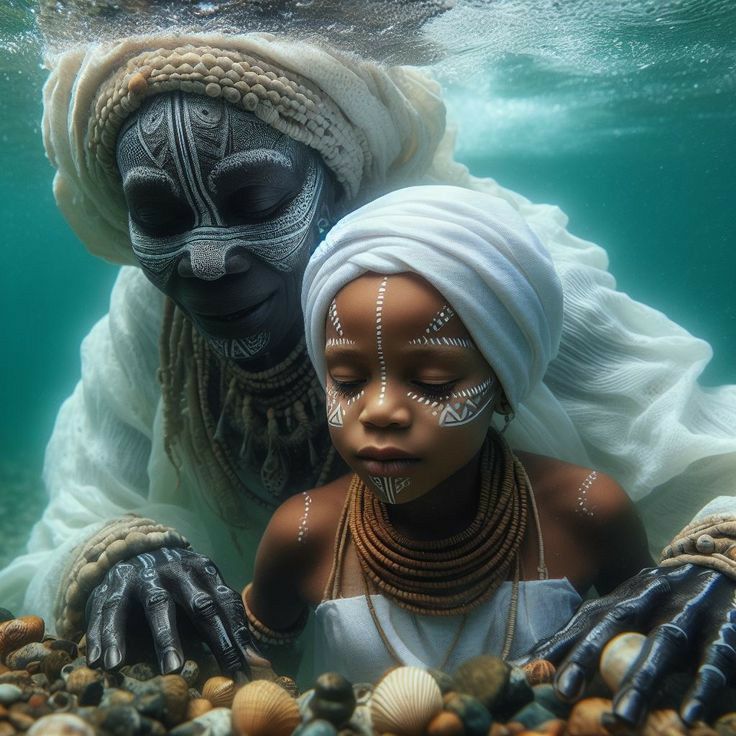
Beyond the Pantheon explores the multifaceted nature of African goddesses, moving beyond simplistic Western interpretations to unveil their complex roles as divine forces, ancestral spirits, and embodiments of natural phenomena. This article defines how African goddesses are understood within traditional belief systems, highlighting their intrinsic connection to daily life, community well-being, and the sacred balance of the cosmos.
African spiritual systems, unlike many Abrahamic faiths, often feature a rich and diverse array of deities, including powerful female figures who are not merely wives or consorts to male gods but independent, potent entities with their own domains, powers, and followers.
Distinguishing Characteristics of African Goddesses
Immanence and Connection to Nature: African goddesses are often deeply connected to natural elements—rivers, oceans, earth, winds, forests—and natural phenomena like thunder, fertility, or creation. They are not distant, abstract figures but live within and through the natural world, directly impacting human existence.
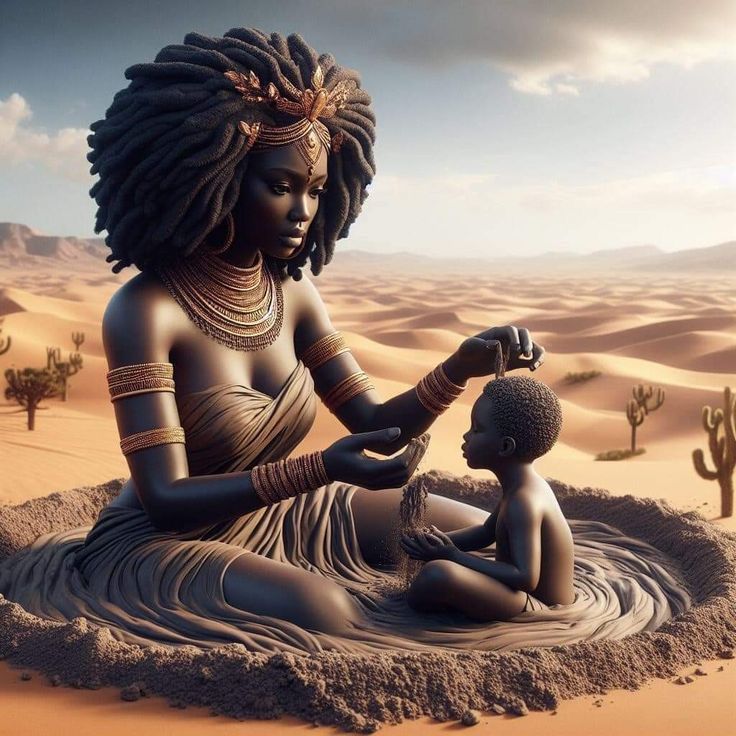
Active and Relational: They are active forces in human lives, capable of blessing, healing, punishing, or guiding. Their relationship with devotees is often personal, reciprocal, and involves direct communication through divination, offerings, and ritual.
Holistic Domains: Their domains are rarely narrow. A single goddess might govern love, fertility, wealth, and healing (e.g., Oshun), reflecting a holistic view of life where these aspects are interconnected.
Fluidity and Syncretism: In the diaspora, African goddesses have often syncretized with Catholic saints or other spiritual figures, demonstrating their adaptability and enduring spiritual power.
Ancestral Links: Many goddesses have strong ancestral ties, representing ancient mothers, warrior queens, or primordial beings who shaped the world.
Roles and Manifestations:
Creation and Sustenance: Some goddesses are primordial beings responsible for creating the earth, humanity, or specific aspects of the world (e.g., Nana Buluku in West African Vodun).
Life-Givers and Nurturers: Many are associated with fertility, childbirth, motherhood, and the nurturing aspects of life, ensuring the continuity of family and community.
Warriors and Protectors: Fierce goddesses protect their devotees, defend justice, and embody the power to overcome obstacles and fight for liberation.
Healers and Seers: They possess knowledge of herbs, healing remedies, and the ability to divine the future or provide spiritual counsel.
Embodiments of Human Experience: They reflect the full spectrum of human emotions and experiences—love, jealousy, anger, joy, wisdom—making them relatable and deeply understood.
“Beyond the Pantheon” reveals that African goddesses are integral to the spiritual and cultural identity of millions. They are living forces, embodying the complex beauty, raw power, and profound wisdom of African cosmological thought, continually influencing the lives of those who revere them.