The Cultural Significance of African Hairstyles
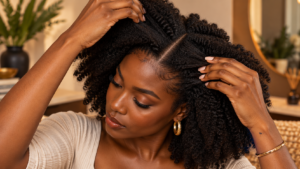
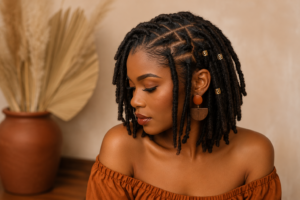
In Africa, hair is far more than just a biological feature; it is a “Crown of Identity,” a powerful canvas for cultural expression, social status, spiritual beliefs, and personal narrative. African hairstyles are intricate languages, communicating age, marital status, tribal affiliation, wealth, and even historical events. Exploring these styles reveals the profound depth and complexity of hair’s cultural significance across the continent.
From ancient times to the present, hair has played a central role in African societies. Unlike many Western cultures that have viewed hair as merely decorative, in Africa, hair practices are deeply embedded in daily life, rituals, and rites of passage. The act of styling hair is often a communal activity, fostering social bonds and transmitting cultural knowledge from one generation to the next.
Symbolism and Status: Different hairstyles often denoted specific meanings.
Age and Life Stages: Children often wore simpler styles, while elaborate braids or intricate updos marked the transition to adolescence, marriage, or motherhood. In some communities, a woman’s hairstyle would change significantly after marriage or childbirth.
Social and Political Status: Chiefs, elders, or royalty might wear specific, often grand, hairstyles that communicated their authority and prestige. Warriors might adopt styles that reflected their bravery or achievements in battle.
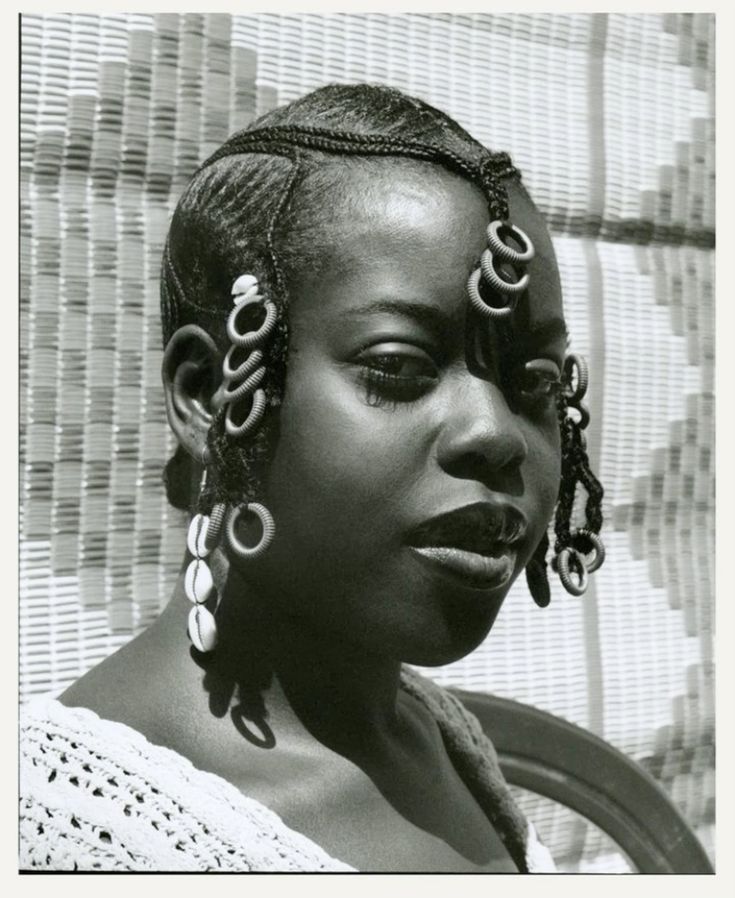
Tribal and Ethnic Identity: Distinctive braiding patterns, coiling techniques, or the use of specific adornments (like beads, cowrie shells, or gold) could immediately identify a person’s ethnic group, such as the elaborate coiffures of the Fulani in West Africa or the symbolic styles of the Maasai in East Africa. In Nigeria, various ethnic have their unique traditional hair braiding and styling techniques, often recognizable at a glance.
Spirituality and Protection: Hair was often seen as a conduit to the divine or a connection to ancestors. Certain hairstyles were worn during religious ceremonies, for protection against evil spirits, or as part of healing rituals. The hair’s elevated position on the head made it a sacred site.
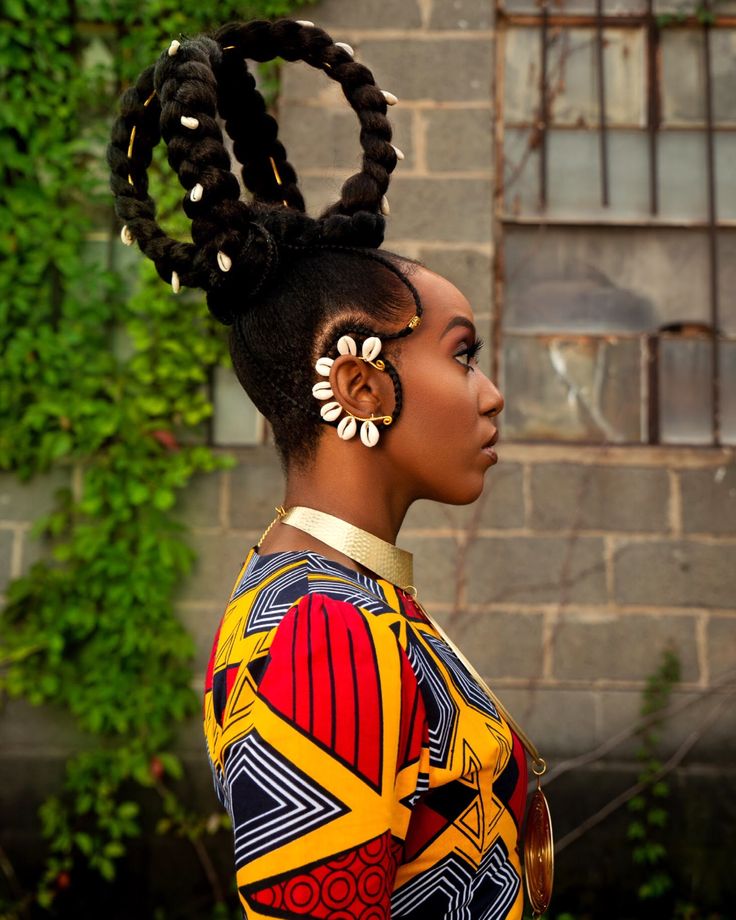
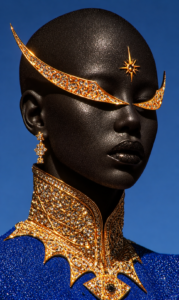
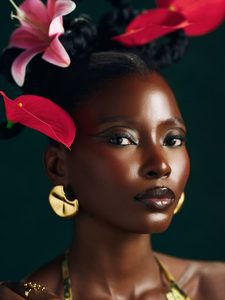
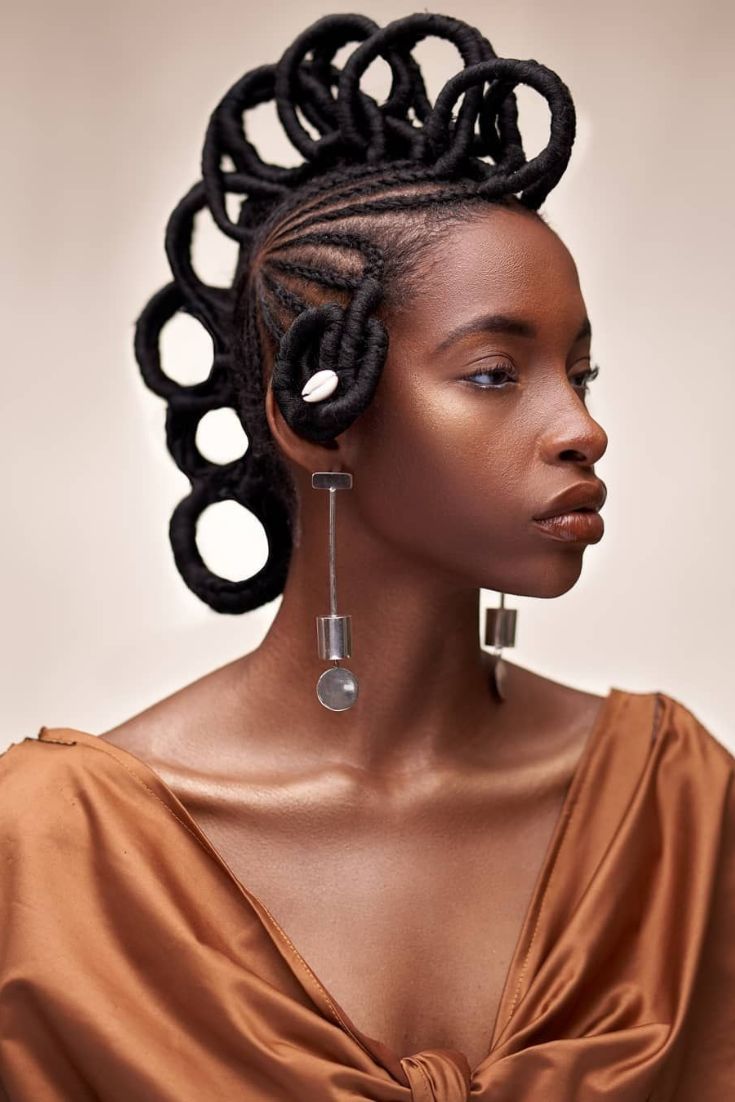
The Art of Hair Adornment: Beyond styling, the use of adornments further enhanced the hair’s symbolic power. Beads (often made from glass, clay, or metal), cowrie shells (symbolizing wealth and fertility), metal rings, and even natural elements like flowers or feathers were intricately woven into or affixed to hairstyles, each carrying specific meanings or adding to the aesthetic appeal. The preparation and application of natural oils, butters, and pigments also contributed to the overall look and health of the hair.
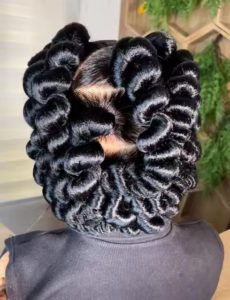
Techniques and Tools: African hairstyling involved sophisticated techniques like intricate braiding (cornrows, box braids, and flat twists), coiling, looping, and weaving. Tools were often simple yet effective – combs made from wood or bone, needles for intricate weaving, and various implements for parting and shaping. The skill required to create some of these elaborate styles was immense, often taking many hours or even days.
In modern times, while some traditional styles have evolved, the essence of hair as a “Crown of Identity” remains powerful. Natural hair movements, the embrace of braids, twists, and locs, and the continuous innovation in styling reflect a deep connection to heritage and a celebration of African beauty. Hair continues to be a profound statement of who one is and where one comes from.