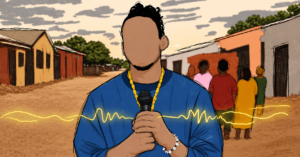
The Power of Storytelling

“The Power of Storytelling” is a fundamental cornerstone of African communities, an ancient and enduring art form that shapes identity, preserves history, transmits values, and fosters profound communal bonds. Narratives, whether spoken, sung, danced, or performed, are meticulously crafted and shared, forming the very essence of cultural memory and collective understanding.
In Africa, storytelling is rarely a solitary act; it is a dynamic, interactive experience, often taking place in communal settings – around a fire, in a village square, or within the home. The storyteller (often an elder, a griot, or a skilled performer) is not just a reciter but a performer, an educator, and a keeper of the collective memory.
Diverse Forms of Storytelling
Oral Narratives: The most common form, encompassing folktales, myths, legends, trickster tales (like Anansi the spider from West Africa, or the tortoise in many Nigerian narratives), and cautionary tales. These narratives often use vivid imagery, repetition, and engaging characters to convey moral lessons, explain natural phenomena, or entertain.
Proverbs and Riddles: Concise, potent forms of storytelling that distill wisdom and engage the audience’s intellect. They encourage critical thinking and a deeper understanding of cultural nuances.
Songs and Chants: Many traditional songs contain elaborate narratives, recounting historical events, celebrating heroes, mourning losses, or invoking spirits. Music transforms the narrative into a multisensory experience.
Dance and Performance: Traditional dances often tell stories through movement, gesture, and costume, sometimes depicting historical battles, daily life, or spiritual journeys. Masked performances (like the Egungun of the Yoruba in Nigeria) bring ancestral stories and characters to life.
Praise Poetry: Specialized poets often recite intricate praise poems for chiefs, warriors, or important figures, recounting their genealogies, achievements, and virtues, acting as living historical records and affirmations of status.
Functions of Storytelling in Communities
Cultural Transmission: Stories are the primary vehicle for passing down cultural values, social norms, ethical principles, and traditional knowledge from elders to younger generations.
Historical Preservation: They are vital for preserving communal histories, migrations, significant events, and ancestral lineages in societies where written records were not traditionally dominant.
Moral and Ethical Education: Many stories serve as didactic tools, illustrating the consequences of good and bad behavior, teaching empathy, resilience, and the importance of community.
Social Cohesion: Shared stories create a collective identity, fostering a sense of belonging, unity, and shared heritage within the community.
Entertainment and Bonding: Storytelling provides communal entertainment, drawing people together, fostering laughter, and strengthening social bonds.
The art of crafting narratives involves not just memorization but also improvisation, dramatic delivery, audience engagement (through call-and-response), and the skillful use of voice, gesture, and expression. Even in modern Africa, with the advent of mass media, the inherent power of storytelling remains strong, adapting to new platforms while retaining its core function.
“The Power of Storytelling” is a profound testament to the human capacity for narrative. In African communities, it is a timeless and living tradition that continues to shape minds, heal divisions, unite people, and ensure that the rich tapestry of collective memory and wisdom endures through the ages.