Youth Engagement in African Culture
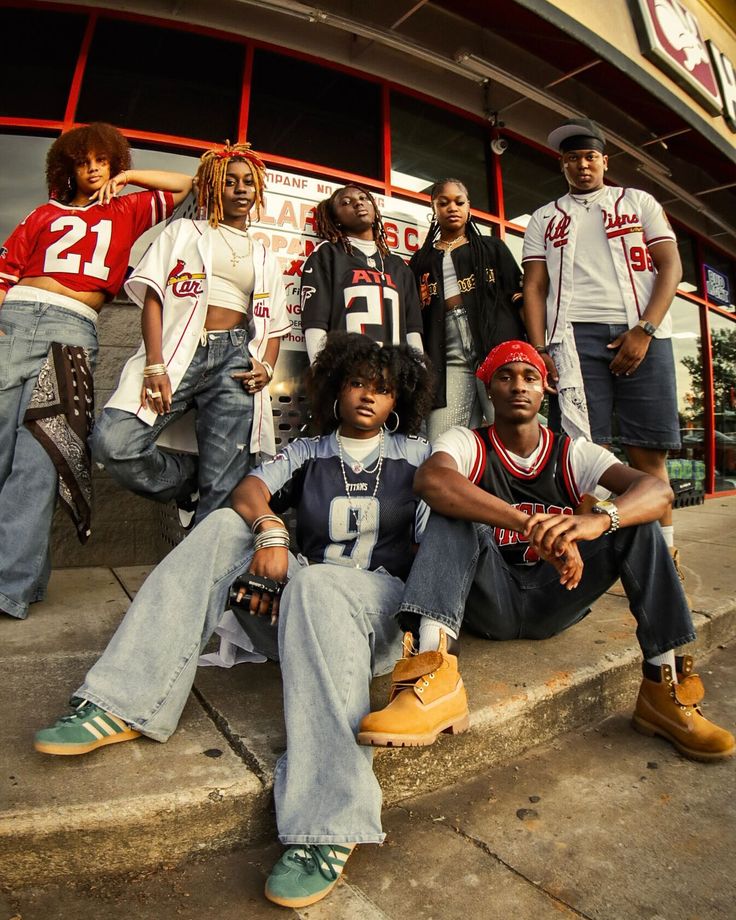
“Bridging Generations” is the vital efforts aimed at engaging African youth in their rich cultural heritage, ensuring that traditions, languages, and values are not lost but rather reinterpreted and carried forward by new generations. There are innovative programs and community initiatives, role of technology in inspiring young Africans to connect with their roots and become active participants in their cultural continuity.
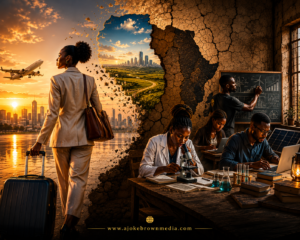
In a rapidly changing world, African youth often navigate a complex landscape of global influences, modern education systems, and local traditions. While modernization brings opportunities, it can also lead to a disconnect from ancestral heritage. Recognizing this, many individuals and organizations are actively working to bridge this generational gap and ignite a passion for culture among young people.
Innovative Programs and Workshops
Traditional Arts Education: Programs teach youth traditional drumming, dancing, music, storytelling, and craftsmanship (e.g., pottery, weaving, and carving). These hands-on experiences provide direct engagement with cultural practices.
Language Immersion: Community-based initiatives and summer camps focus on revitalizing indigenous languages, using interactive methods, games, and cultural activities to make learning engaging and relevant. In Nigeria, for instance, some groups organize weekend classes for children in cities to learn their ethnic languages like Yoruba, Igbo, or Hausa.
Cultural Exchange and Mentorship: Connecting youth with elders and cultural custodians for direct mentorship, allowing for the oral transmission of knowledge and wisdom in an intimate setting.
The Role of Technology
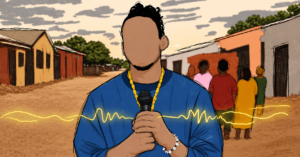
Digital Storytelling: Young people are using social media, podcasts, YouTube channels, and blogs to tell stories about their culture in new and engaging ways, reaching global audiences and making heritage accessible to their peers.
Online Platforms: Websites and apps are being developed to document oral traditions, create digital libraries of cultural artifacts, and host online language learning resources.
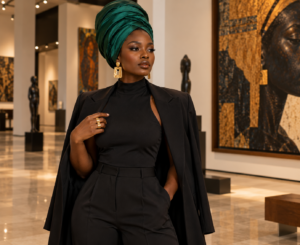
Music and Fashion: Technology amplifies African music (Afrobeats, Afro-pop) and fashion, allowing young designers and musicians to fuse traditional elements with contemporary styles, making heritage cool and globally relevant.
Youth as Cultural Agents
Reinterpretation and Innovation: Young Africans are not just passively receiving culture; they are actively reinterpreting it. They are taking traditional elements and giving them a modern twist, whether in fashion, music, art, or social advocacy, ensuring culture remains dynamic and relevant.
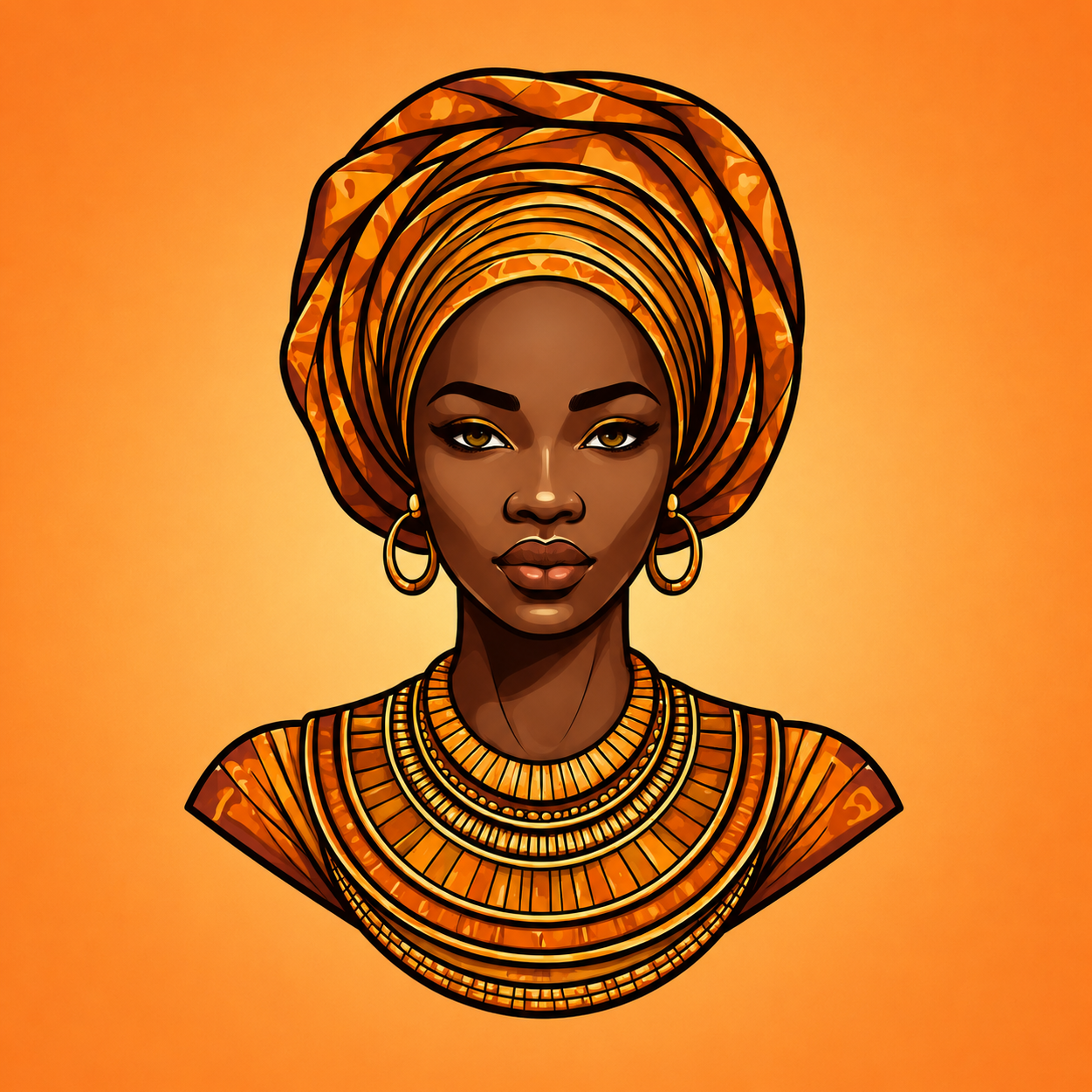
Activism and Advocacy: Many youth are using their voices and platforms to advocate for cultural preservation, promoting natural hair, traditional attire, and indigenous languages as statements of identity and pride.
Community Engagement: Youth-led initiatives are organizing cultural events, clean-up campaigns in historical sites, and social projects that strengthen community bonds and reinforce cultural values.
Challenges and Opportunities: Challenges include limited funding for cultural programs, the allure of global popular culture, and sometimes, a lack of interest from youth who perceive traditional culture as “old-fashioned.” However, the growing sense of African pride and the power of digital connectivity offer immense opportunities to make cultural engagement exciting and meaningful.
“Bridging Generations” is a narrative of hope and dynamism. It celebrates the ingenuity of African communities and youth who are finding creative ways to ensure that their rich cultural heritage flourishes, adapting to the modern world while remaining deeply rooted in the wisdom of their ancestors.