Indigenous Materials in African Home Design
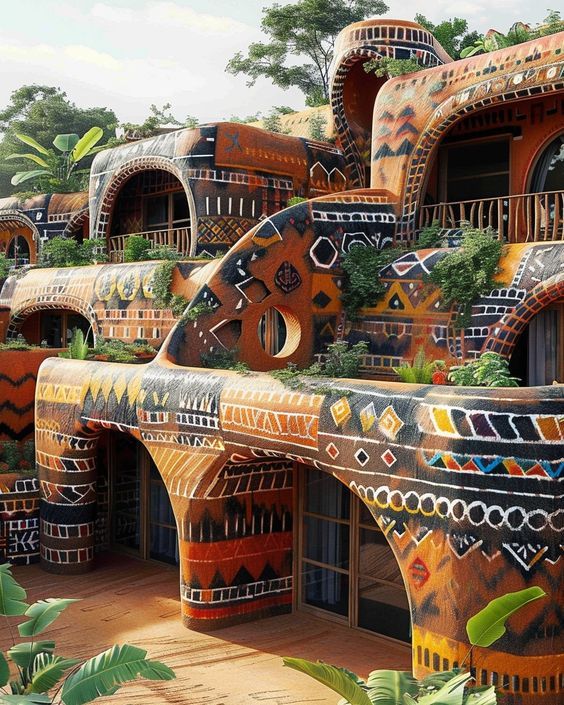
Sustainable living is not a new concept in Africa; it is deeply embedded in indigenous home design, where “indigenous materials” have been intelligently utilized for millennia to create durable, climate-responsive, and environmentally friendly dwellings. This exploration highlights how traditional African architecture and interior design offer powerful lessons in sustainability, emphasizing local resources, minimal environmental impact, and a harmonious relationship with nature.
The cornerstone of sustainable African home design is the widespread use of earth-based materials, primarily mud (clay). Homes are often constructed from mud bricks (adobe), rammed earth, or wattle and daub (a mixture of mud, straw, and sticks).
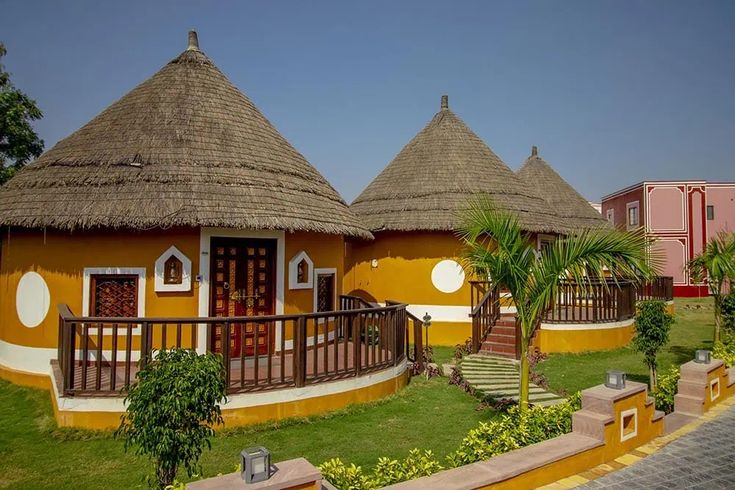
Thermal Properties: Mud walls are excellent insulators. Their mass absorbs heat during the day, keeping interiors cool, and slowly releases it at night, providing warmth. This natural temperature regulation significantly reduces the need for artificial cooling or heating, making them highly energy-efficient.
Local Availability: Clay is abundant in most regions, making it an incredibly accessible and low-cost building material, reducing transportation emissions.
Low Environmental Impact: Mud construction uses minimal processed materials, produces little waste, and is biodegradable, leaving a small ecological footprint.
Natural Roofing materials are equally sustainable. Thatch, typically made from local grasses, reeds, or palm fronds, is a common roofing material. It provides excellent insulation against both heat and rain, is lightweight, and is renewable. The design of many traditional roofs also includes wide overhangs to provide shade, protect walls from rain, and create cool outdoor living spaces.
Timber and plant fibers are extensively used for structural elements, furnishings, and decorative items. Locally sourced wood, bamboo, and various plant fibers like raffia or reeds are crafted into structural beams, doors, window frames, stools, beds, and storage solutions like woven baskets. These materials are renewable, biodegradable, and, when sourced sustainably, have minimal environmental impact.
Water management is often integrated into traditional designs. Courtyards can facilitate rainwater harvesting. The porous nature of mud walls can also help regulate humidity, contributing to a healthy indoor environment.
The design principles themselves are inherently sustainable
Passive Cooling and Ventilation: Homes are often oriented to maximize natural airflow and minimize direct sun exposure. Strategically placed windows, openings, and the use of courtyards facilitate cross-ventilation, reducing reliance on mechanical cooling.
Adaptability: Traditional designs are often modular or easily expandable, allowing homes to grow and adapt to the needs of a changing family over time, minimizing the need for new construction.
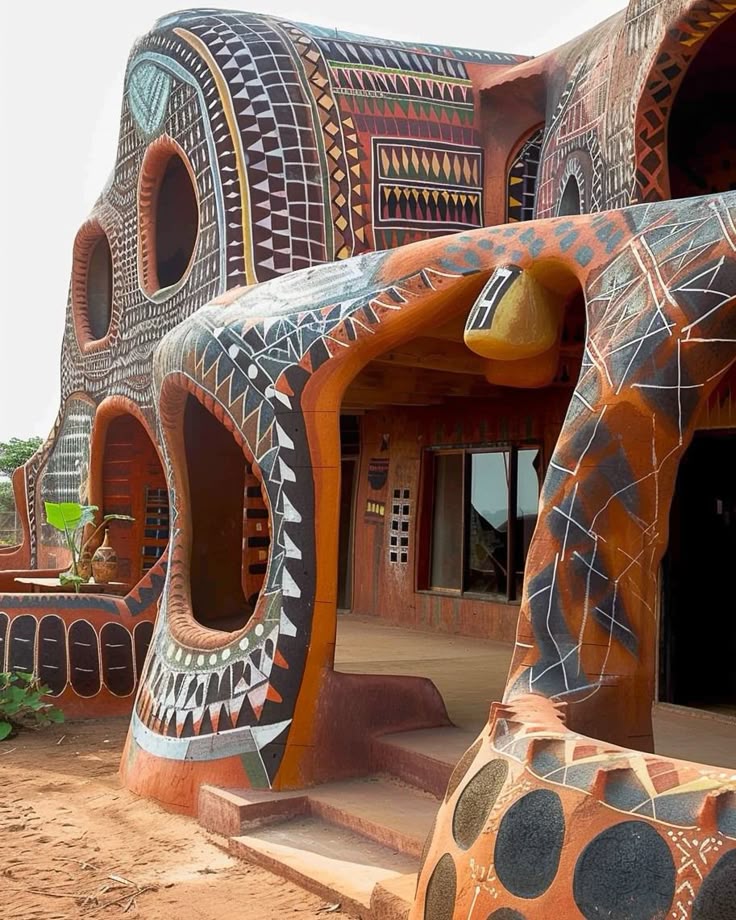
Durability and Maintenance: While some materials like mud require regular maintenance (re-plastering), this fosters a continuous connection to the home and ensures its longevity.
Examples abound across the continent. The iconic mud mosques of Mali and the traditional homes of the Ndebele in Southern Africa, or the vernacular architecture found in many Nigerian villages, all demonstrate a profound understanding of how to build durably and beautifully using only what the local environment provides.
In the face of climate change and resource depletion, these indigenous materials and design philosophies offer invaluable lessons for contemporary sustainable architecture and interior design globally. “Sustainable Living” in African homes is not just a concept; it is a timeless practice, a testament to intelligent design that lives in harmony with the environment, ensuring the future of both people and planet.