West African Verse in the Modern Age
Poetry has always held a central, revered, and exceptionally dynamic place in West African cultures, serving as a primary conduit for oral traditions, the preservation of history, spiritual expression, and sharp social commentary. In the modern age, this formidable heritage of West African verse continues to thrive with unparalleled vigor, evolving from its traditional roots to embrace a vibrant spectrum of contemporary written poetry, electrifying spoken word performances, and innovative performance art. West African poets are masterfully wielding language to dissect complex societal issues, profoundly celebrate diverse cultures, express deeply personal truths, and audaciously push the very boundaries of artistic expression.
The foundational roots of West African poetry are inextricably woven into its rich oral traditions. Prior to the widespread adoption of written scripts, poetic forms such as elaborate praise poetry, epic recitations (often performed by griots), poignant dirges, and potent incantations were integral to daily life, ceremonial events, and the transmission of communal knowledge. Praise singers and griots, hereditary bards in West Africa, employed intricate linguistic patterns, compelling rhythm, and resonant rhyme to extol the virtues of leaders, recount ancestral genealogies, or narrate monumental historical events. These oral poems were inherently communal and performative, relying heavily on the dynamic interplay between the speaker and the captivated audience, often incorporating call-and-response elements, rhythmic drumming, and expressive dance. This powerful performative aspect remains a distinctive and defining characteristic of much modern West African poetry.
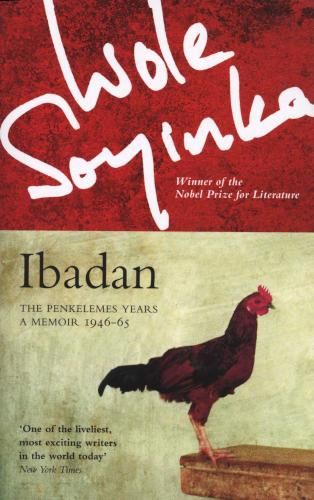
The colonial era, though disruptive, also introduced Western poetic forms and literary structures, leading to a fascinating fusion of traditions. Early written West African poets often engaged with themes of colonialism, fervent resistance, and the complex struggle for independence, skillfully utilizing European forms to articulate uniquely African experiences and perspectives. Poets like Leopold Sédar Senghor (Senegal), a pivotal figure in the Negritude movement and Senegal’s first president, seamlessly blended French poetic structures with profound African themes and philosophical concepts, passionately celebrating Black identity, culture, and humanity. Christopher Okigbo (Nigeria), renowned for his intricate, often mystical verse, drew deeply from Igbo oral traditions while also incorporating classical and Western literary influences. Wole Soyinka (Nigeria), while a Nobel laureate primarily known for his plays and novels, is also a profound poet whose work is rich in Yoruba mythology, biting socio-political critique, and complex symbolism.
In the contemporary landscape, West African poetry is astonishingly diverse and expansive. Written poetry continues to flourish, with poets exploring an incredibly wide range of personal, political, and philosophical themes. They meticulously dissect the enduring legacy of colonialism, explore pressing issues of gender, sexuality, migration, and complex identity in a globalized world. Poets like Fatima Asghar (Pakistani-American, often exploring themes resonant with West African diasporic experiences due to shared post-colonial contexts), Warsan Shire (Somali-British), whose work about trauma, displacement, and the immigrant experience gained global recognition through Beyoncé’s Lemonade, resonates deeply with the experiences of West Africans in diaspora. Safia Elhillo (Sudanese-American), though North-East African, encapsulates the diasporic voice, exploring themes of home, identity, and language with breathtaking lyrical beauty, often influencing poets across the continent.
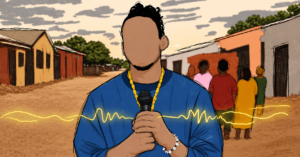
Perhaps one of the most thrilling developments in modern West African verse is the explosive growth of spoken word poetry and performance poetry. This genre directly harks back to the continent’s ancient oral traditions, placing paramount emphasis on rhythm, compelling delivery, and vibrant audience engagement. Spoken word artists in cities like Accra, Lagos, and Dakar frequently use their powerful platforms to address urgent social issues, from political corruption and systemic inequality to mental health stigma and gender-based violence. Performances are often raw, impassioned, and incredibly impactful, making poetry accessible, relevant, and vital to a younger generation. Literary festivals, vibrant open mic nights, and dedicated online platforms across West African cities and within the diaspora have become crucial spaces for this form to thrive, fostering dynamic communities of poets and enthusiastic listeners.
West African poetry, in all its manifold forms, stands as a powerful testament to the continent’s enduring legacy of profound storytelling and breathtaking linguistic artistry. It is a vibrant space where ancient traditions meet acute modern sensibilities, where deeply personal narratives intertwine with expansive collective histories, and where the rhythmic, resonant power of language is masterfully harnessed to illuminate, challenge, and inspire. Whether presented on the intimate page or performed with electrifying presence on stage, West African verse continues to be an essential and influential voice, vividly reflecting the multifaceted realities and the boundless spirit of the region.