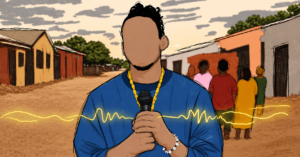
African Diasporic Voices in Literature

African literature extends far beyond the geographical confines of the continent itself. It encompasses a vibrant and essential body of work from the African diaspora, writers whose heritage traces back to Africa but who live, write, and publish across the Americas, Europe, and other parts of the world. These diasporic voices enrich the global literary tapestry, offering unique perspectives on themes of migration, displacement, dual identity, cultural preservation, and the ongoing echoes of history. Their literature often navigates the intricate dance between roots and routes, memory and presence, contributing profoundly to our understanding of the African experience in its broadest sense.
The transatlantic slave trade forcibly initiated a major part of this diaspora, planting African descendants in the Caribbean, North America, and South America. Writers from these regions have, for centuries, explored the legacies of slavery, racism, and the enduring quest for liberation and self-definition. In the Caribbean, authors like Nobel laureate Derek Walcott (Saint Lucia) and George Lamming (Barbados) have masterfully explored post-colonial identity, the complexities of Creole cultures, and the reclamation of history. Walcott’s epic poem Omeros beautifully re-imagines Homeric themes within a Caribbean context, asserting a classical dignity for a region often marginalized in Western narratives.
North American writers of African descent have given us some of the most profound explorations of the Black experience, including the Civil Rights Movement and its aftermath. Nobel laureate Toni Morrison, though her lineage is rooted in the African American experience, powerfully excavated themes of ancestral memory, trauma, and the spiritual survival of Black communities, particularly in works like Beloved and Song of Solomon. Her narratives, while specific to the US, resonate with the broader diasporic experience of cultural retention and the enduring impact of historical injustices. Similarly, Alice Walker’s The Color Purple is a testament to the resilience and agency of Black women in the face of adversity, connecting personal struggles to larger societal forces.
More recent waves of migration, driven by economic opportunities, political upheaval, or educational pursuits, have led to a flourishing of African diasporic literature in Europe and North America. These authors often explore the nuances of living between two or more cultures, grappling with concepts of belonging, alienation, and the fluidity of identity. Chimamanda Ngozi Adichie’s Americanah, while she is Nigerian-born and often associated with African literature proper, deeply delves into the experiences of African immigrants in America and Europe, dissecting race, hair politics, and the complexities of returning home. Her nuanced portrayal of cultural assimilation and differentiation captures a significant facet of contemporary diasporic life.
In the UK, writers like Bernardine Evaristo, whose Girl, Woman, Other won the Booker Prize, explore the multifaceted lives of Black British women, touching on themes of race, gender, sexuality, and migration, often with humor and piercing insight. Taiye Selasi, with her concept of “Afropolitanism,” offers a perspective on those who feel at home in multiple African and Western cities, blurring traditional notions of nationality and belonging.
These diasporic voices collectively expand the definition of “African” literature, demonstrating that African identity is not singular or static but dynamic, evolving, and deeply interconnected across continents. Their works are vital bridges, fostering dialogue between different parts of the diaspora and with the continent itself, enriching our understanding of what it means to be of African descent in a globalized world. They remind us that the stories of Africa are not confined by borders but resonate wherever its people have traveled, adapted, and continued to create.