
Globalization has brought the world closer together, dissolving geographical and cultural boundaries in unprecedented ways. Yet, amidst this interconnectedness, questions about identity naturally arise: If we are all increasingly global citizens, what does it mean to be Nigerian? How does Nigerian identity manifest when one is immersed in a global context? The answer lies not just in geography, but in heritage, culture, values, and community.
Nigerian identity is multifaceted, encompassing legal, cultural, social, and personal dimensions. At its core, it reflects a shared heritage that transcends borders. Even as Nigerians live abroad or interact with global communities, the markers of Nigerian-ness remain resilient, evolving, and influential.
Formally, being Nigerian is tied to citizenship. Whether by birth or naturalization, legal recognition provides the foundation of identity. It grants access to rights, responsibilities, and a sense of belonging within the nation-state of Nigeria. However, citizenship alone does not capture the lived cultural experience that shapes Nigerian identity.
Culture is the heartbeat of Nigerian identity. It is expressed in language, food, fashion, music, art, and traditions. For Nigerians abroad, maintaining these cultural practices becomes a way to anchor themselves in their roots. From speaking Yoruba or Igbo at home, to celebrating festivals like Eid, Christmas, or traditional naming ceremonies, these practices preserve a connection to home.
Nigerians carry the legacy of their history with them—colonial experiences, independence struggles, and modern achievements. Historical consciousness fosters a shared sense of pride and resilience. It informs values, perspectives, and how Nigerians engage with the world.
Nigerian identity is deeply relational. Community networks, both in Nigeria and in the diaspora, reinforce cultural ties. Nigerians often prioritize family, extended kinship networks, and communal support systems. Whether through online platforms, local cultural associations, or diaspora events, these bonds maintain a sense of collective identity.
Markers of Nigerian Identity in a Globalized World
Globalization allows identities to adapt, merge, and influence one another. Here’s how Nigerian-ness manifests practically in the global context:
Language and Communication
Language is a primary vehicle of culture. Nigerian languages—Yoruba, Igbo, Hausa, and many others—remain vital, even abroad. Nigerian Pidgin, in particular, has become a symbol of cultural pride, connecting diaspora communities. Storytelling, humor, and proverbs further reinforce this linguistic identity.
Food and Culinary Culture
Nigerian cuisine is a tangible link to heritage. Preparing and sharing dishes like jollof rice, egusi soup, pounded yam, and suya not only satisfies hunger but also nurtures cultural memory. Nigerian food festivals abroad have become vibrant expressions of identity, connecting generations and introducing global audiences to rich culinary traditions.
Fashion and Aesthetics
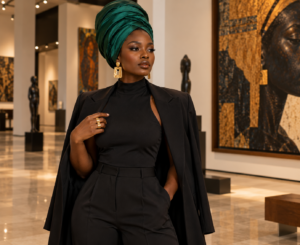
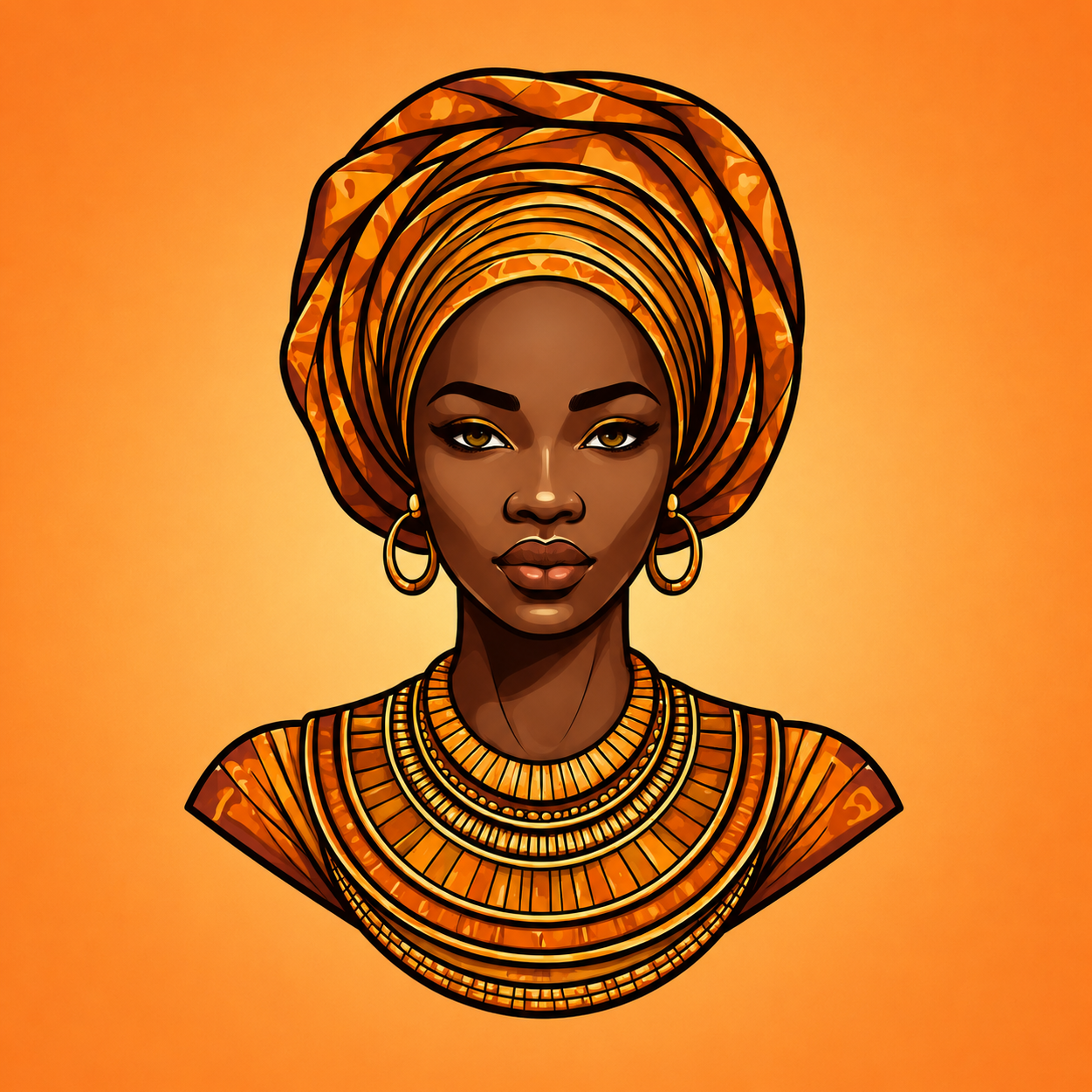
Fashion is a powerful marker of identity. Traditional fabrics such as Ankara, Aso Oke, and Adire, along with styles like the gele headwrap, convey Nigerian culture visually. Nigerian fashion designers abroad blend traditional aesthetics with modern trends, creating a global stage for cultural expression.
Music, Arts, and Entertainment
Music is one of the most recognizable symbols of Nigerian identity. Afrobeat, Highlife, Fuji, and contemporary genres like Afropop have gained international acclaim, allowing Nigerian culture to influence global sounds. Nollywood films and Nigerian literature further connect the diaspora to home, creating shared cultural touch points.
Social Values and Practices
Nigerian identity is reinforced by social values such as respect for elders, strong family orientation, and communal responsibility. Celebrations, ceremonies, and rituals are often adapted abroad to maintain continuity of these practices, fostering intergenerational cultural transmission.
Religion and Spirituality
Nigeria is home to a diverse spiritual landscape, including Christianity, Islam, and indigenous beliefs. Globally, these practices are often maintained or adapted in diaspora communities, reinforcing Nigerian identity through ritual, celebration, and ethical values.
Civic and National Consciousness
Global Nigerians often stay engaged with political, social, and developmental issues back home. Whether through advocacy, investment, or community service, this connection underscores a civic dimension of identity that transcends borders.
Innovation and Entrepreneurship
Nigerians have a reputation for creativity and entrepreneurial ingenuity. Globally, Nigerian innovators often leverage their heritage as inspiration, blending local insights with global perspectives. From startups to cultural enterprises, these efforts become a living expression of Nigerian identity.
Globalization does not dilute Nigerian identity—it transforms it. Nigerian-ness in a globalized world is layered, hybrid, and adaptable. It allows individuals to integrate new experiences while maintaining a core connection to their roots. A Nigerian in London, New York, or Lagos can simultaneously navigate global culture and preserve a uniquely Nigerian identity.
Being Nigerian in a globalized world is more than nationality; it is a rich blend of language, culture, values, and communal ties. Globalization may shift the context in which identity is expressed, but it also offers Nigerians the opportunity to share their heritage widely, influence global culture, and redefine what it means to be connected to home.
Ultimately, Nigerian identity is both a personal journey and a collective experience—a bridge between local roots and global horizons.