Vitiligo: A Canvas of Unapologetic Beauty
In a world that has historically celebrated uniformity, vitiligo stands as a beautiful and powerful testament to the allure of individuality. Far from being a condition to be concealed, it is increasingly being recognized as a unique identifier, a natural work of art that adorns the skin. This extensive exploration of vitiligo moves beyond a simple definition to embrace a narrative of self-acceptance, cultural evolution, and the profound power of authentic beauty.
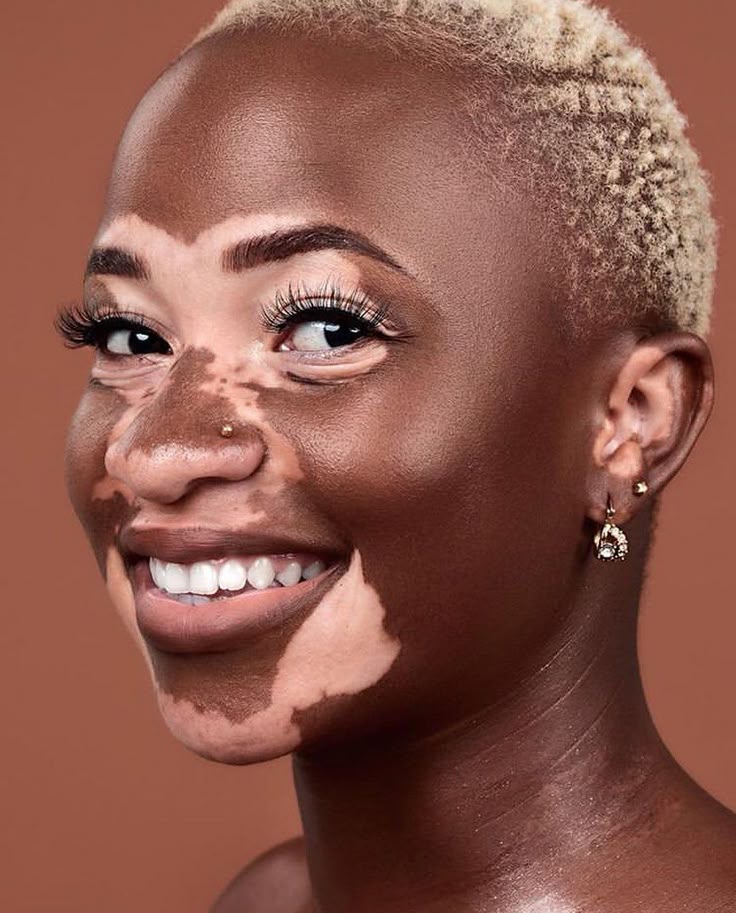
Vitiligo is a condition where the skin’s melanocytes, or pigment-producing cells, are destroyed. The lack of these cells results in white or lighter patches on the skin. The more melanin a person has in their skin, the more noticeable this loss of pigment becomes.
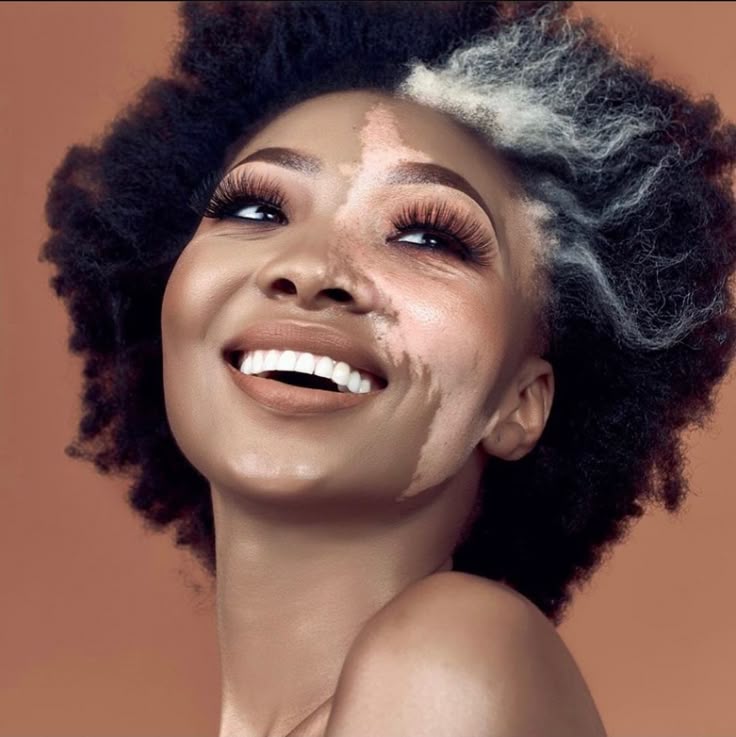
Higher Contrast In individuals with darker skin, the contrast between the depigmented patches and their natural skin tone is more pronounced.
Less Noticeable on Lighter Skin In contrast, on very fair skin, the patches can sometimes go unnoticed, especially in areas that are not frequently exposed to the sun.
This difference in visibility does not mean the condition is more prevalent in one group over another. It simply means that its physical manifestation is more striking.
To truly appreciate vitiligo, it’s helpful to understand the science behind it. Vitiligo is a non-contagious skin disorder where the body’s immune system mistakenly attacks its own melanocytes—the cells responsible for producing melanin, the pigment that gives skin its color. This loss of pigment results in the characteristic white patches that can appear anywhere on the body.
While the exact trigger for this autoimmune response is not fully understood, factors such as genetic predisposition, stress, and certain environmental exposures are believed to play a role. It’s important to recognize that vitiligo is a physical condition, not a result of external factors like skin bleaching or a sign of poor hygiene. It is simply a unique variation in human biology.
For too long, vitiligo was seen through a lens of imperfection. But a global movement led by courageous individuals who are unapologetically showcasing their skin. This shift is not just about accepting vitiligo; it’s about celebrating it as a form of beauty.
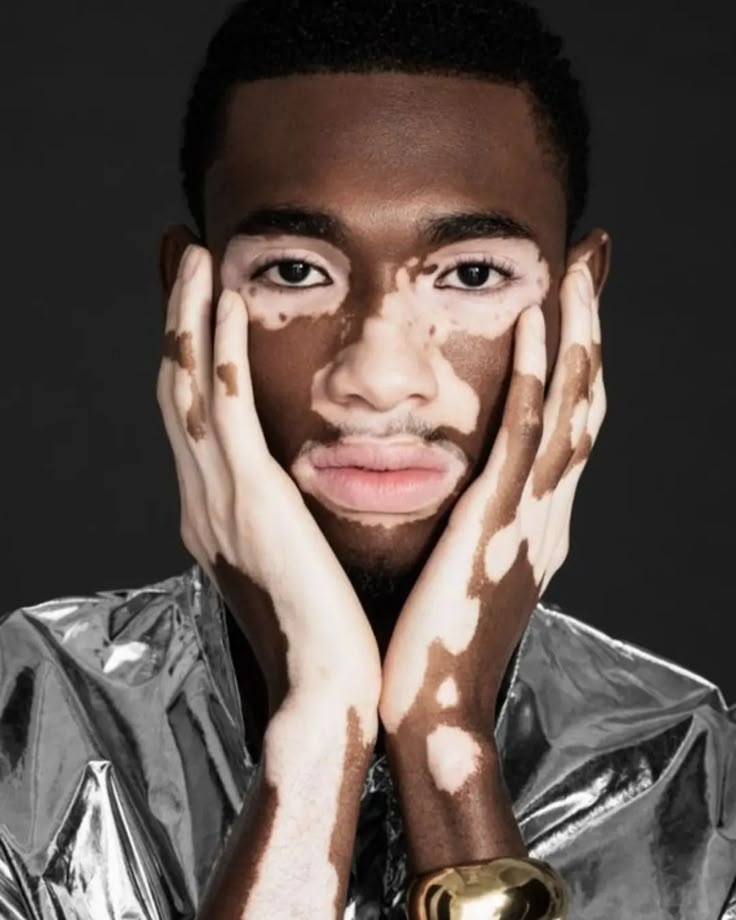
Vitiligo can manifest in various patterns. Focal vitiligo appears in a single area, while segmental vitiligo affects one side of the body. Generalized vitiligo, the most common form, can appear symmetrically across the body. Each pattern is like a fingerprint, a distinct and beautiful map of an individual’s journey.
Models like Winnie Harlow have become global icons, using their platforms to challenge traditional beauty standards and inspire millions. Their visibility has helped transform vitiligo from a source of shame into a symbol of pride and resilience. This cultural shift encourages everyone to see skin as a canvas, where every shade and pattern tells a story.
Leleti Khumalo
The celebrated South African actress Leleti Khumalo is a powerful advocate for vitiligo acceptance. She rose to international fame for her lead role in the film Sarafina! As her vitiligo became more pronounced, she made the conscious decision to stop concealing it with makeup, both in her personal life and on-screen. Her bold choice to appear without makeup in the TV drama Imbewu: The Seed sent a powerful message of self-love and authenticity to millions of viewers. Khumalo uses her platform to educate people about the condition, emphasizing that true beauty comes from within.
Winnie Harlow
Though of Jamaican ancestry and raised in Canada, supermodel Winnie Harlow is a global icon who has a profound impact on the conversation around vitiligo, especially in communities of color. She was a contestant on America’s Next Top Model and has since become one of the most recognizable faces in fashion. Harlow has used her success to become an outspoken advocate for vitiligo awareness, consistently speaking out against bullying and promoting a message of self-love. Her work has been instrumental in normalizing the condition and showcasing that differences can be a source of strength and beauty
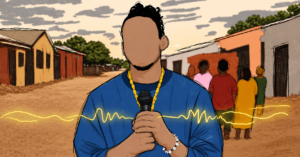
Martin Senkubuge
Ugandan artist and researcher Martin Senkubuge is another influential voice. He uses his artwork to actively combat the stigma and myths surrounding vitiligo in his community and beyond. Through his portraits of people with vitiligo, he aims to create conversations and celebrate the unique patterns on their skin, turning what was once a source of shame into a form of artistic expression. His “Part of Us” initiative is a campaign dedicated to promoting inclusiveness and pride for individuals living with vitiligo in Uganda and across the globe.
Living with vitiligo is a deeply personal experience, often involving a complex psychological journey. The initial diagnosis can be challenging, leading to feelings of self-consciousness or social anxiety. However, the path to self-acceptance is a powerful one.
This journey often begins with a fundamental change in perspective. Instead of viewing vitiligo as a deficiency, many individuals learn to see it as a mark of distinction. By embracing their unique appearance, they reclaim their power and build a profound sense of self-worth that is independent of societal expectations. Support groups and online communities have played a crucial role in this process, providing a space for individuals to share their experiences, offer support, and foster a sense of belonging.
The celebration of vitiligo is a powerful reminder that beauty is not defined by perfection but by authenticity. It is an affirmation that our scars, our spots, and our unique features are not flaws but a vital part of who we are. They are a visual representation of our strength and our ability to thrive in a world that is slowly but surely learning to love and appreciate every shade of human existence.