African Identity in the Age of Globalization: Preservation or Transformation?
Globalization has opened new doors for Africa.
In a world where a teenager in Lagos can stream the same music as one in London, and a designer in Nairobi can sell directly to clients in New York, globalization has blurred borders. Africa, long positioned on the margins of global trade and culture, is now at the center of new opportunities. But globalization also raises an urgent question: what happens to African identity in an interconnected world? Is it preserved, transformed, or slowly erased?
The Promise of Globalization
Globalization has opened new doors for Africa:
Digital Access: African artists, entrepreneurs, and thinkers now share their work with global audiences through social media and e-commerce.
Economic Growth: Foreign investment and trade links provide jobs and infrastructure.
Cultural Exchange: African music, fashion, and film are shaping global trends. Afrobeats stars like Burna Boy and Tems are not just African icons — they are global superstars.
Diaspora Connections: Globalization has strengthened ties between Africans on the continent and the diaspora, allowing cultural exchange and collaborative growth.
In many ways, globalization has empowered Africa to redefine itself on its own terms.
The Risk of Cultural Erosion
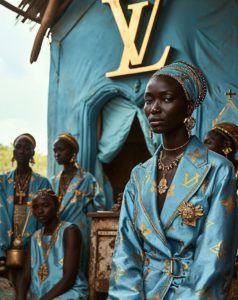
But there is another side. Globalization often carries with it Western dominance — in media, language, fashion, and lifestyle. Hollywood, fast food, English and French schooling, and Western consumer culture flood African societies, sometimes at the expense of indigenous traditions.
Language Loss: African languages are endangered, with some disappearing each year as English, French, and Portuguese dominate.
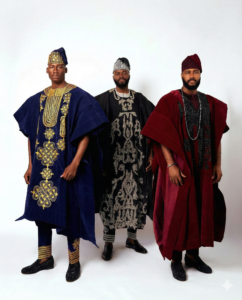
Fashion & Food: Imported brands and tastes often overshadow local clothing styles and cuisines.
Mindset Shift: Young Africans may see Western lifestyles as “modern” and African traditions as “backward.”
This raises a profound concern: in the pursuit of global relevance, will Africa lose itself?
Hybrid Identities: A New Form of Africanhood
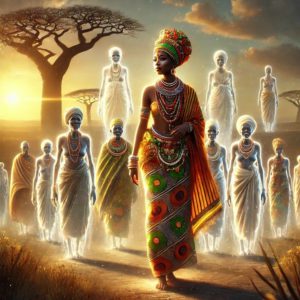
The reality is more complex than either complete preservation or total loss. What’s emerging is a hybrid identity one that blends tradition with modernity.
A Ghanaian youth may wear jeans with kente fabric patches, a Nigerian chef may fuse jollof rice with international dishes, and a South African filmmaker may use Hollywood techniques to tell local stories. Instead of choosing between African and global, many are creating something new: glocal (global + local).
This fluidity shows resilience African identity is not fragile, but adaptable.
The Role of Media & Representation
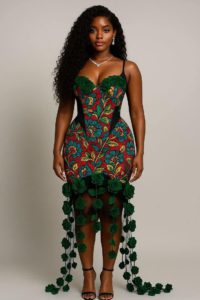
Global platforms like Netflix, TikTok, and Spotify have given African creators unprecedented visibility. Nollywood films reach global audiences, African fashion graces Paris runways, and African literature wins global awards.
But representation matters. If Africa only appears through stereotypes of poverty or conflict, globalization reinforces colonial-era narratives. Authentic African voices must lead, not follow, in shaping how Africa is seen.
The Economic Dimension of Identity
Identity is not only cultural, it is economic. When African fashion designers or musicians gain global recognition, they create wealth and jobs. Conversely, when foreign corporations dominate, profits flow outward while local industries suffer.
This means that protecting African identity also means building industries that sustain it. The African Continental Free Trade Area (AfCFTA) offers hope, allowing Africans to trade with each other and strengthen their own cultural economies before competing globally.
The Spiritual & Philosophical Question
Globalization challenges not only external expressions of identity (like language or dress) but also internal values. African philosophies such as Ubuntu (“I am because we are”), communalism, and respect for ancestors are tested in a global culture that often prioritizes individualism and consumerism.
Will Africa hold on to its spiritual foundations, or be swept into a culture of hyper-individualism?
Preservation Through Innovation
The solution may not be resistance, but reinvention. African identity can survive globalization if it adapts without surrendering its essence. This means:
Digitizing African languages so they thrive online.
Supporting Afrocentric education that balances global knowledge with local heritage.
Investing in African-owned media that tells authentic stories.
Celebrating indigenous knowledge in areas like medicine, architecture, and philosophy.
Globalization is neither purely a blessing nor a curse, it is a force that must be navigated. For Africa, the challenge is not whether globalization will come, but how Africans will shape it.
African identity is not at risk of vanishing, it is at risk of being defined by others. The true task is to define it ourselves, proudly and creatively, in dialogue with the world.
Because at its heart, African identity has always been dynamic. From pre-colonial kingdoms to post-colonial struggles, Africa has absorbed, resisted, and redefined external influences. In the age of globalization, this adaptability remains its greatest strength.
So the question is not whether Africa can survive globalization but whether globalization can survive without Africa.