Skin Bleaching & Eurocentric Beauty Standards: Who Defines African Beauty?
Colorism doesn’t just affect self-esteem; it affects opportunity. Studies in Nigeria and South Africa have shown that lighter-skinned women are often perceived as more employable and more attractive for marriage, perpetuating the cycle of bleaching as a tool for survival and advancement.
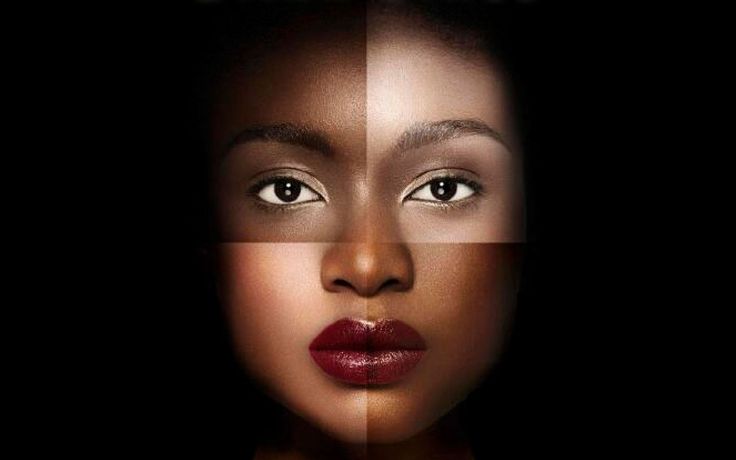
In the bustling markets of Lagos, Accra, and Johannesburg, one cannot ignore the countless stalls selling skin-lightening creams. Despite their proven health risks, the demand is rising. Behind every jar and lotion lies a deeper story: Africa’s complicated relationship with beauty, colorism, and colonial hangovers. Is skin bleaching simply a matter of personal choice, or does it reveal a deeper wound one tied to history, power, and identity?
To understand today’s bleaching craze, we must return to colonial times. European colonizers imposed hierarchies that placed whiteness at the top and dark skin at the bottom. Lighter-skinned Africans were often given better jobs, education opportunities, and privileges. Over generations, this bias seeped into social consciousness, birthing colorism the discrimination within communities based on skin tone.
Even in post-colonial Africa, lighter skin became shorthand for beauty, wealth, and social mobility. From Nollywood movies to beauty pageants, light-skinned women dominated screens and billboards, reinforcing a standard many could never naturally attain.
The Psychological Cost
Skin bleaching is often marketed as empowerment “be more confident,” “get that glow,” “look international.” But beneath the slogans, the message is clear: darker skin is less desirable. For young girls and even men across the continent, this creates a lifelong battle with self-worth.
Colorism doesn’t just affect self-esteem; it affects opportunity. Studies in Nigeria and South Africa have shown that lighter-skinned women are often perceived as more employable and more attractive for marriage, perpetuating the cycle of bleaching as a tool for survival and advancement.
The Health Risks
Beyond the cultural and psychological costs, bleaching comes with serious health dangers. Many creams contain harmful substances like hydroquinone and mercury, which can lead to skin thinning, kidney damage, and even cancer. Yet, the demand continues, fueled by billion-dollar cosmetic companies and local manufacturers who prey on insecurity.
Some African governments, such as Rwanda and Ghana, have taken steps to ban harmful bleaching products. But bans alone cannot erase the desire rooted in deeper cultural wounds.
The Rise of Melanin Pride
In the face of this crisis, a new movement is rising. Across fashion, music, and social media, “melanin pride” campaigns are reclaiming dark skin as powerful, beautiful, and divine. Influencers and artists are celebrating unfiltered Blackness, challenging the dominance of Eurocentric beauty standards.
Brands like Dark & Lovely and Fenty Beauty are embracing diverse shades, proving that beauty does not come in one color. African models like Alek Wek and Adut Akech have redefined global fashion runways, proudly wearing their rich skin tones.
This cultural shift signals hope but it requires persistence to undo centuries of psychological conditioning.
Choice or Conditioning?
One of the most complex questions in this debate is: do women bleach out of free choice, or have they been conditioned to hate their natural skin? Supporters of bleaching argue that people should be free to alter their appearance however they wish. But critics say true freedom cannot exist in a society where beauty standards are rigged against Blackness.
The real question, then, is not whether women choose bleaching but why bleaching feels like a choice at all.
Skin bleaching is not just a cosmetic decision; it is a mirror reflecting Africa’s colonial scars, economic inequalities, and ongoing identity struggles. But the tide is turning. As melanin pride movements grow, Africa stands at a cultural crossroads: continue selling whiteness as worth, or embrace Blackness as brilliance.
The future of African beauty depends not just on banning creams but on reshaping minds. True empowerment begins when the question is no longer “How light is your skin?” but “How bright is your soul?”