LGBTQ+ Rights in Africa: Tradition, Religion, and Human Rights at a Crossroads
Contrary to popular belief, LGBTQ+ identities are not “un-African.” Pre-colonial history reveals diverse expressions of sexuality and gender.
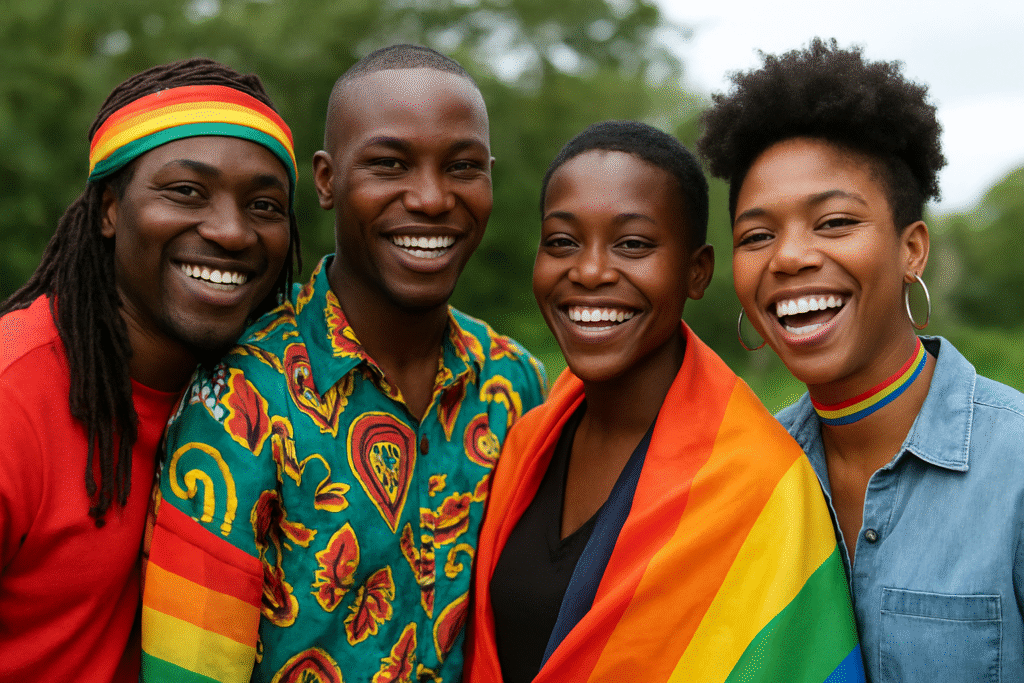
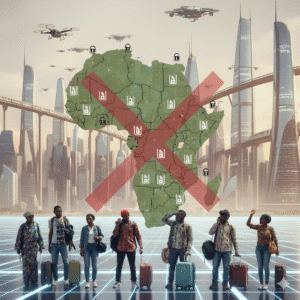
In many African nations today, LGBTQ+ people live in silence, fear, or exile. Laws criminalizing same-sex relationships remain in place, and in some countries, new legislations have introduced harsher penalties. For some, this resistance is framed as protecting “African tradition.” For others, it is a denial of basic human rights. The question is complex: is Africa rejecting LGBTQ+ identities in the name of culture, or is it repeating colonial legacies that never truly belonged to the continent?
The Historical Lens: Pre-Colonial Africa
Contrary to popular belief, LGBTQ+ identities are not “un-African.” Pre-colonial history reveals diverse expressions of sexuality and gender. Among the Igbo of Nigeria, there were female husbands; in parts of Uganda and Sudan, same-sex relations existed without stigma; and spiritual traditions often recognized non-binary or gender-fluid roles.
Colonialism disrupted these practices. European missionaries and administrators imposed rigid laws and moral codes that criminalized same-sex relationships. Many of today’s anti-LGBTQ+ laws across Africa are, in fact, colonial imports not indigenous traditions.
Religion and Morality
Religion plays a central role in shaping modern African attitudes. Christianity and Islam, both deeply influential across the continent, often frame homosexuality as sinful. Religious leaders have positioned themselves as defenders of morality, and many politicians adopt these views to win public support.
This creates tension between faith, politics, and human rights. While religious leaders speak of protecting society, activists argue that such positions fuel violence, stigma, and family rejection.
The Human Rights Debate
For human rights advocates, the issue is clear: LGBTQ+ people deserve the same protections as everyone else safety, dignity, freedom to love, and the right to exist without fear. Yet, in many African societies, the framing of LGBTQ+ rights as a “Western import” fuels suspicion. Movements for equality are often dismissed as foreign agendas, rather than grassroots African struggles.
But across cities like Nairobi, Lagos, and Johannesburg, young Africans are challenging these narratives. LGBTQ+ organizations, pride events, and online campaigns are carving spaces for visibility and acceptance, even in hostile environments.
The Everyday Struggle
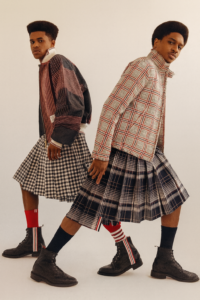
Beyond politics, the lived reality for LGBTQ+ Africans is often marked by silence. Many cannot come out to their families. Job discrimination, homelessness, and violence are common. Yet resilience shines through. Communities are forming underground networks of support, art, and storytelling. In fashion, film, and music, LGBTQ+ voices are rising, forcing society to confront their existence.
Tradition or Colonial Legacy?
One of the greatest ironies in the debate is that many African leaders argue that homosexuality is “un-African,” yet the very laws criminalizing it were introduced by colonial powers. What is more “un-African” the existence of diverse identities, or the imported restrictions against them?
To move forward, Africa must grapple with this contradiction: reclaim cultural authenticity without perpetuating colonial-era oppression.
LGBTQ+ rights in Africa sit at the intersection of history, religion, politics, and identity. It is not a simple matter of choosing tradition over modernity, but of recognizing humanity in all its forms.
The continent now faces a choice: continue silencing a community in the name of morality, or acknowledge that African tradition, at its core, has always been about community, diversity, and resilience. True liberation for Africa will come when every voice regardless of who they love is allowed to be heard.