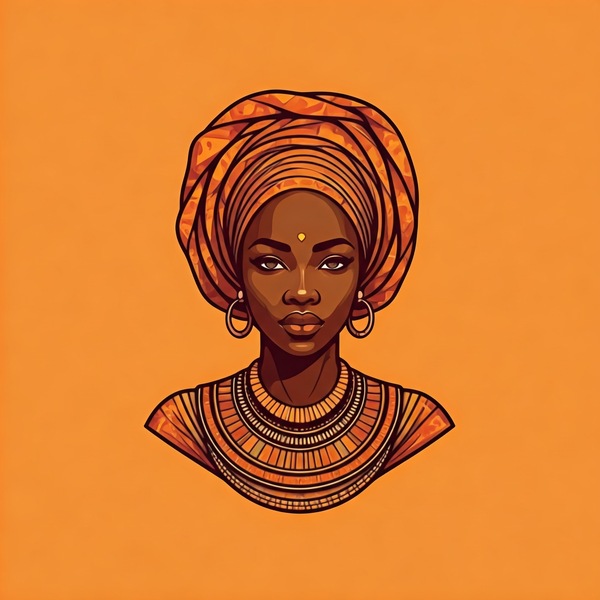
Cultural Appropriation vs. Appreciation — Who Owns African Style?
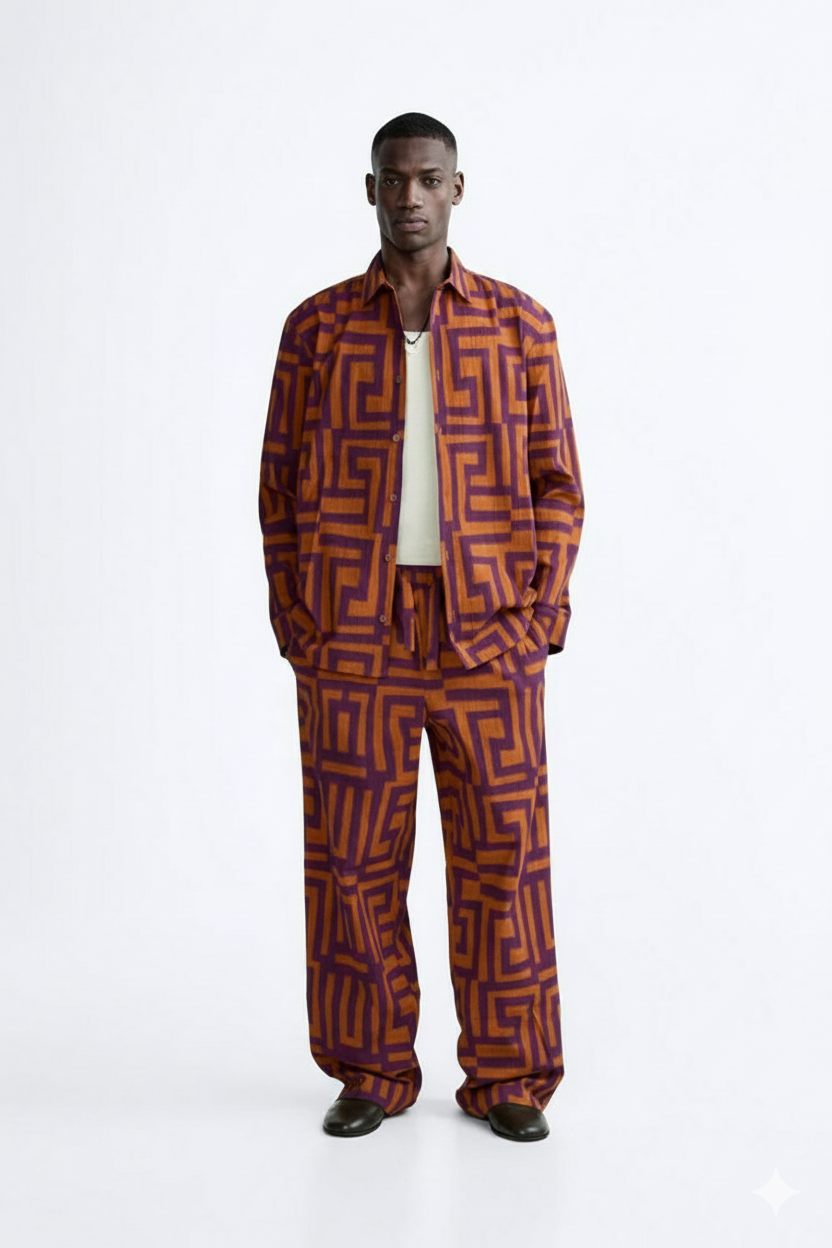
The Global Runway Is Wearing Africa
From Beyoncé’s Black Is King visuals to Dior’s wax print collections, African aesthetics have conquered global fashion.
The world can’t get enough of our bold prints, sculpted jewelry, and radiant colors.
Yet, beneath the glamour lies a tension the fine line between celebration and theft.
When Western brands replicate African patterns without crediting or compensating their origins, it raises a difficult question:
Is it cultural appreciation, or is it appropriation dressed in luxury packaging?
The story of African fashion is no longer just about creativity. It’s about ownership, representation, and respect.
A Brief History of Borrowed Beauty
African art and fashion have always inspired the world.
European traders in the 15th century marveled at Benin bronzes and Yoruba textiles, yet centuries later, these same artifacts were looted and displayed in foreign museums.
Colonial powers didn’t only steal land they extracted aesthetic value, turning African designs into commodities while silencing their creators.
The same pattern repeats today.
A Parisian label releases “tribal print” dresses inspired by West African ankara.
A Hollywood stylist calls gele “head couture.”
A major magazine features “safari chic” modeled by white women in kente cloth.
What Africans wore as symbols of identity, status, and spirituality are often stripped of meaning and repackaged as exotic fashion trends.
It’s not just cultural borrowing it’s cultural erasure.
What Is Cultural Appropriation, Really?
Appropriation happens when elements of a culture clothing, music, rituals, or art are used by outsiders without understanding, acknowledgment, or permission.
In Africa’s context, it’s particularly sensitive because the continent has endured centuries of exploitation.
When non-African brands profit from African design without giving back to its creators, it reopens colonial wounds.
Imagine a Ghanaian artisan weaving kente for $5 a yard, while a European designer sells a “Kente-inspired” gown for $5,000.
The profit gap tells the story: culture is being mined, not celebrated.
The Difference Between Appreciation and Exploitation
Appreciation, however, is possible and powerful.
It’s when designers and consumers engage with African culture through collaboration, respect, and fair trade.
Appreciation looks like:
Working directly with African artisans or fashion houses.
Understanding the symbolism behind patterns, beads, and colors.
Giving public credit and financial value to African creators.
Appropriation, by contrast, is silence taking inspiration without acknowledgment.
When the Maasai community fought back against international brands using their name and patterns without consent, they didn’t just demand money they demanded dignity.
African style isn’t open-source. It carries memory, meaning, and ownership.
African Designers Fighting Back
Thankfully, African designers are reclaiming their narrative.
Brands like Tongoro (Senegal), Lisa Folawiyo (Nigeria), and Maxhosa Africa (South Africa) are challenging global fashion to cite its sources.
Tongoro’s founder, Sarah Diouf, insists on full African production from design to fabric to photography ensuring her brand’s global recognition feeds back into the continent’s creative economy.
Maxhosa’s founder, Laduma Ngxokolo, has built an empire celebrating Xhosa beadwork patterns while registering his designs internationally to prevent theft.
Even diaspora creatives are joining the movement.
In London, New York, and Paris, Afro-descendant designers are using African aesthetics as heritage, not costume blending cultural authenticity with modern storytelling.
The result?
A powerful reminder that African fashion is not a passing trend; it’s a global force led by its own.
The Responsibility of Global Brands
Luxury fashion cannot continue to romanticize Africa while ignoring Africans.
If Dior or Gucci use African motifs, they must engage African artisans, credit African cultures, and pay royalties.
Partnership over plagiarism is the future.
There’s a growing movement toward ethical fashion diplomacy where global labels collaborate with local communities rather than exploiting them.
Brands like Stella McCartney and Brother Vellies have made strides in this area, proving that cultural exchange can be both profitable and respectful.
But for every authentic collaboration, dozens of copycat collections exist proof that the work of justice is far from done.
The Power of the African Consumer
One of the greatest revolutions is happening at home Africans themselves are becoming more conscious buyers.
Nigerian, Ghanaian, and Kenyan youth now prefer locally made brands to imported labels.
Hashtags like #BuyNaijaToGrowTheNaira, #SupportAfricanDesigners, and #OwnYourCulture promote economic pride alongside fashion.
When African consumers choose authenticity, they shift global demand.
The message is clear: If you want to profit from Africa’s beauty, respect its creators.
As African fashion weeks multiply and online marketplaces grow, we’re no longer waiting for validation — we’re setting our own standards.
Social Media and the Voice of Accountability
The digital space has made it nearly impossible for cultural theft to go unnoticed.
When a Western designer misuses African imagery, Africans clap back loudly.
Twitter, Instagram, and TikTok have become tools of cultural defense.
Online call-outs are not “cancel culture” they’re education.
When the public demands transparency, global brands are forced to acknowledge the people and traditions behind their designs.
This shift in power is monumental.
For the first time, Africans control the narrative and the hashtags.
A New Era — Collaboration, Not Colonization
The future of African fashion lies in collaboration.
True cultural appreciation allows mutual growth where artisans thrive, traditions endure, and beauty becomes bridge-building rather than exploitation.
Imagine European and African designers co-creating collections that tell both sides of the story.
Imagine seeing labels that say Made in Lagos & Paris, Inspired by Yoruba Heritage, Produced with Ghanaian Weavers.
That’s what fashion diplomacy should look like partnership rooted in respect.
Owning the Narrative, Stitch by Stitch
African fashion doesn’t need validation it needs visibility, value, and voice.
To appreciate Africa is to engage with her people, her stories, and her artistry.
So, when the world wears African prints, let it be done in truth.
Let designers name the villages that inspired them, honor the women who wove the cloth, and pay fairly for the art they showcase.
Because African fashion is not costume it’s culture.
And culture is not to be copied it’s to be cherished.
The question “Who owns African style?” has one simple answer:
Africa does and she’s reclaiming every stitch.