The Return of African Royalty — How Tradition Inspires Modern Power and Style
Royalty Never Left, It Simply Reawakened
Across Africa and the diaspora, a quiet revolution is taking place one woven in silk head wraps, golden jewelry, ancestral names, and self-assured pride.
African royalty is no longer just found in history books; it walks the streets of Lagos, Johannesburg, London, and Atlanta.
The modern African woman wears her crown with purpose not as decoration, but as declaration.
Her fashion, her voice, her rituals, and even her digital presence whisper one truth: We were never peasants, we are descendants of kings and queens.
This cultural renaissance isn’t nostalgia. It’s restoration. A movement of reclaiming what colonization tried to erase dignity, beauty, and divine self-identity.
Royal Bloodlines and the Legacy of Nobility
Before colonization redrew Africa’s borders, kingdoms and empires flourished across the continent from Benin to Mali, Ife to Ashanti, and Nubia to Buganda. Royal courts were the epicenters of art, trade, intellect, and culture.
African monarchs weren’t just rulers; they were patrons of creativity and custodians of philosophy.
The bronze casters of Benin, the goldsmiths of Ghana, the bead workers of Yoruba land all created masterpieces to honor royal authority.
Yet, colonial narratives tried to reduce these legacies to “tribal traditions,” erasing centuries of structured governance and sophistication.
Now, the children of those kingdoms are rewriting the story and reclaiming their thrones, symbolically and spiritually.
The resurgence of African royalty in art, fashion, and storytelling is not vanity it’s identity reborn.
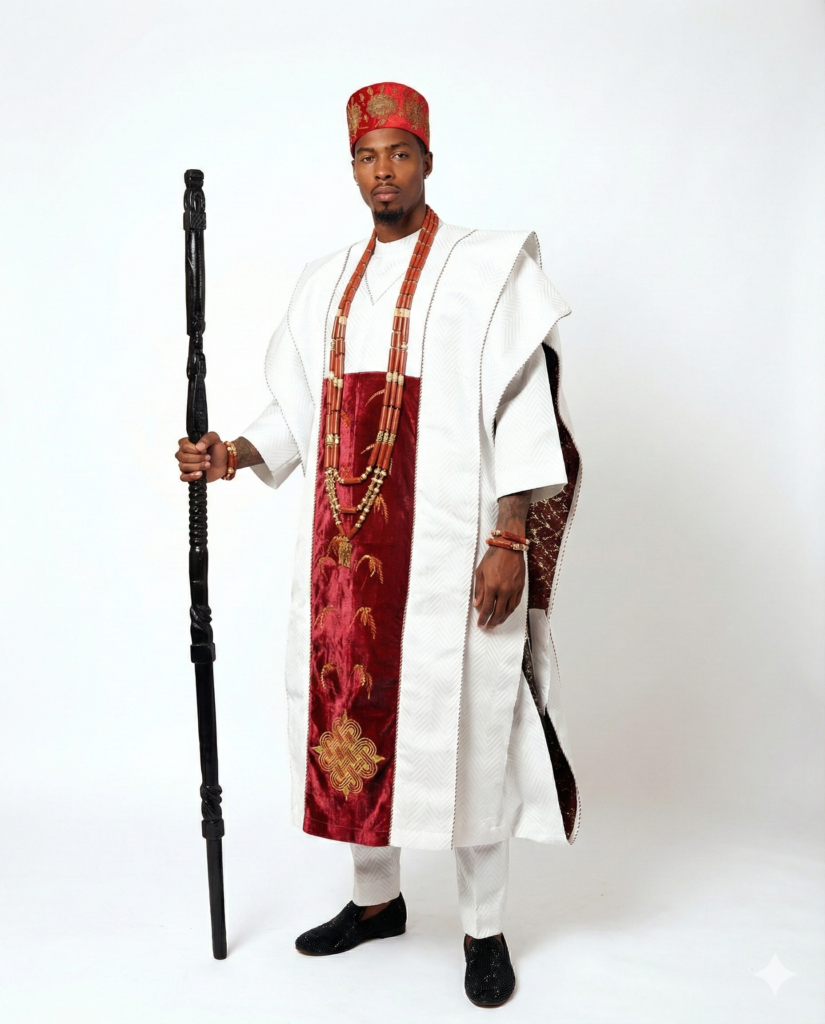
The Crown as a Symbol of Resistance
Across time, the head has been the seat of power in African culture.
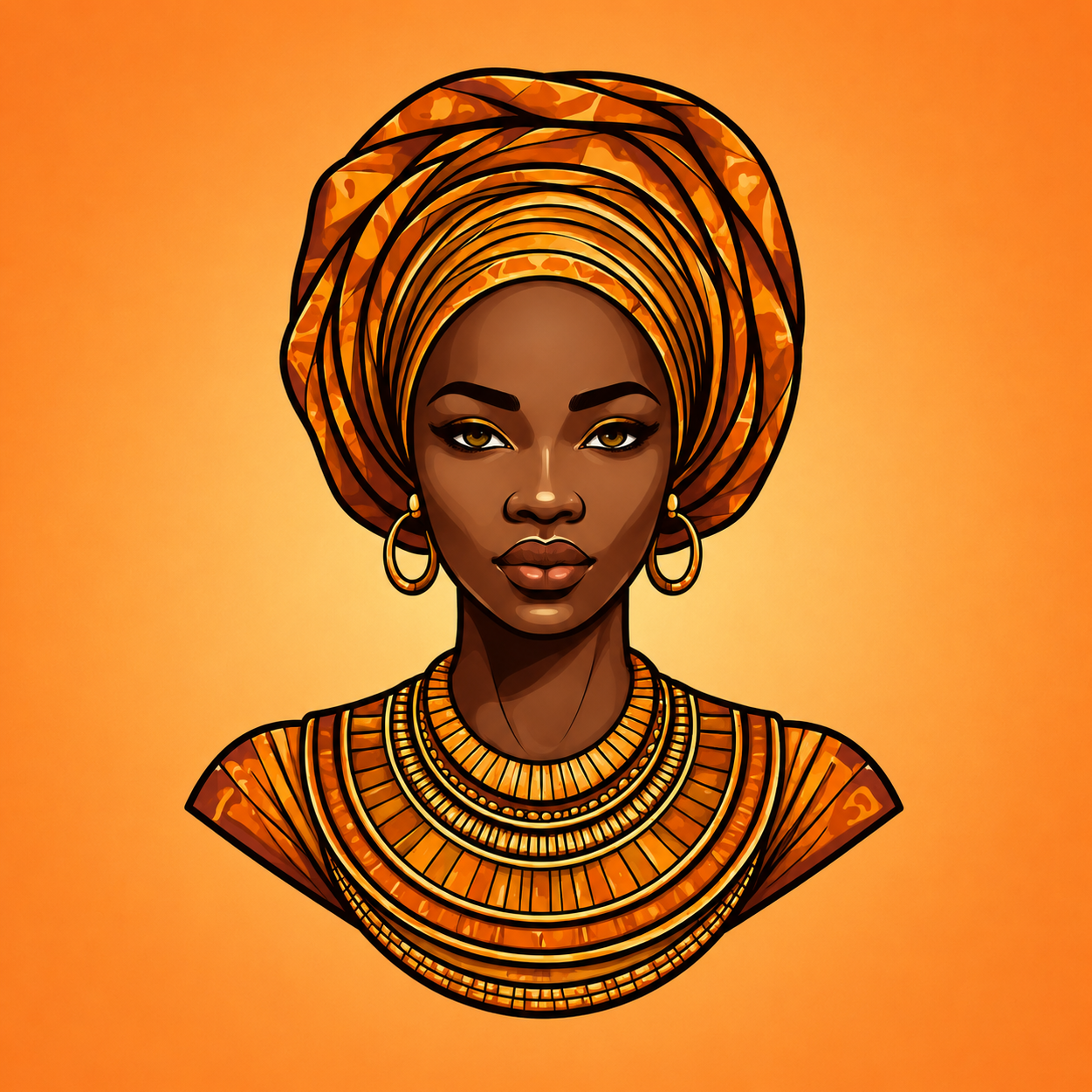
In Yoruba cosmology, the ori (head) represents destiny and to crown it with gele, beads, or coral is to affirm spiritual authority.
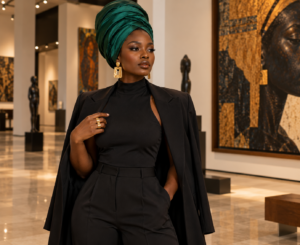
When enslaved Africans wrapped their heads in the Americas, it wasn’t just a style it was silent rebellion. A coded reminder of home, A whisper of royalty hidden beneath oppression.
Today, that same symbolism lives in the elaborate gele of Nigerian weddings, the regal dukus of South Africa, and the gold-encrusted crowns of modern African queens from traditional monarchs to media icons like Tiwa Savage, Lupita Nyong’o, and Chimamanda Ngozi Adichie.
Each headwrap tied, each bead strung, each fabric worn it’s an act of remembrance and resistance.
Royal Aesthetics in Modern Fashion
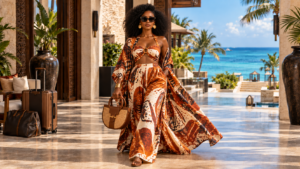
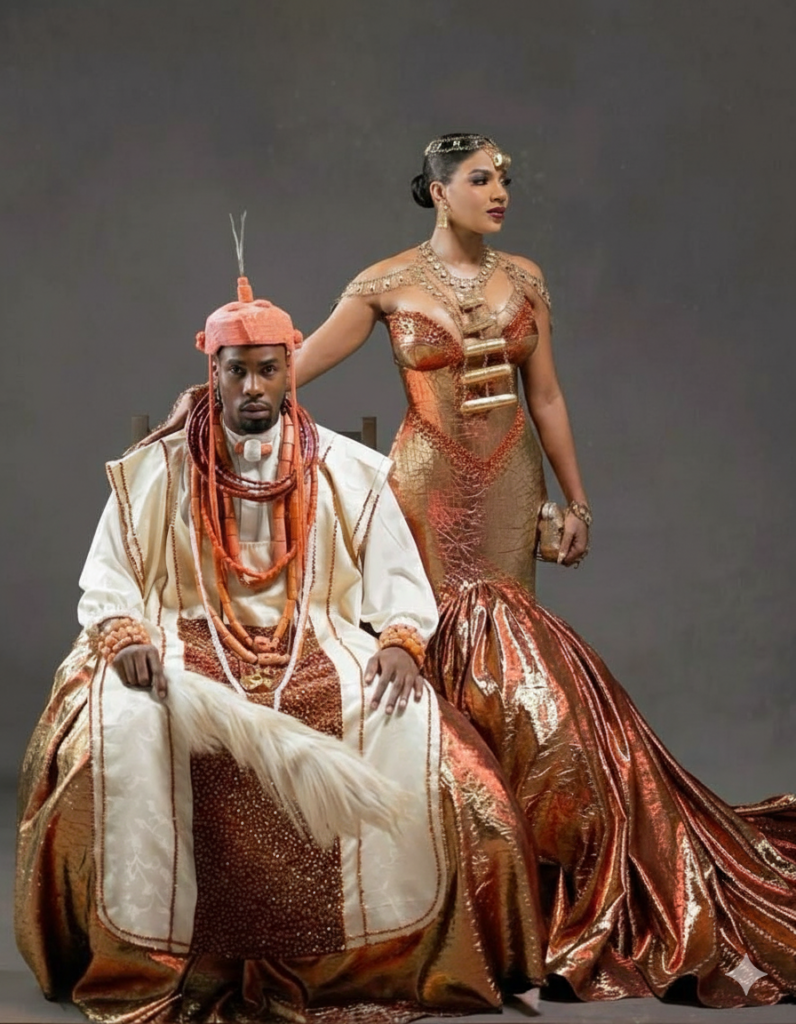
Luxury African fashion has become a new court of royalty. Designers like Deola Sagoe, Ituen Basi, Rich Mnisi, and Imane Ayissi are translating ancestral regalia into modern couture.
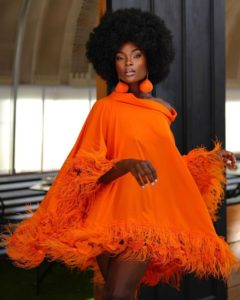
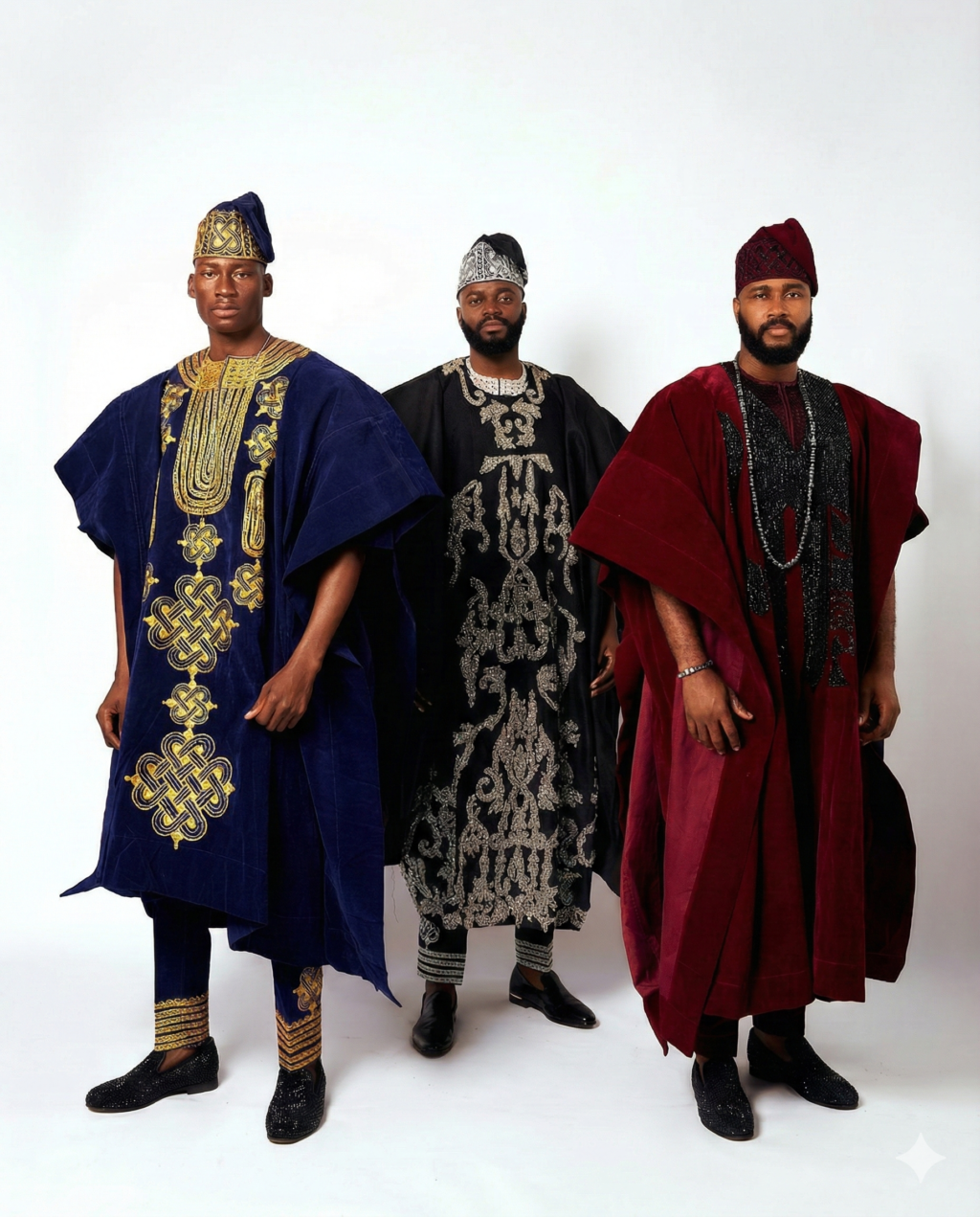
Think velvet agbadas, coral chokers, raffia-fringed gowns, and brocade capes fashion that carries the echoes of dynasties.
Even Western luxury houses are taking notes, weaving African craftsmanship into their runways.
Yet, unlike the past, African designers now own the narrative.
They are not being inspired by royalty they are it.
Across red carpets and royal banquets, African fashion has become the language of power.
Every detail from cowrie shells to Aso Oke tells the world that wealth is not only in gold, but in culture.
The Rise of Digital Monarchs
Social media has birthed a new kind of African royalty digital rulers who command influence through authenticity, culture, and purpose.
From Afrocentric content creators to cultural entrepreneurs, many are blending traditional identity with global sophistication.
Platforms like Instagram and TikTok have become palaces of modern expression.
Women are reclaiming African beauty rituals, royal postures, and cultural titles all through a lens of empowerment.
The “African Queen” is no longer a fantasy trope.
She’s a living archetype powerful, educated, ambitious, and deeply rooted in ancestral wisdom.
We now see Nigerian and Ghanaian influencers wearing crowns not just for aesthetics, but as symbols of sovereignty over their image, their business, and their story.
From Palaces to Politics — Royalty Redefined
Royalty today is not confined to monarchs, Across Africa, young women are leading corporations, creative movements, and political platforms with royal confidence.
In Nigeria, tech entrepreneurs are building digital kingdoms; in Kenya, social activists are reshaping policy; in South Africa, cultural curators are protecting indigenous art.
This is the new nobility not of birthright, but of purpose.
Leadership infused with empathy, elegance, and rootedness.
Royalty has evolved from lineage to lifestyle, a mindset of dignity and direction.
Every woman who builds, creates, or uplifts her community is wearing an invisible crown.
The Spiritual Side of Royalty
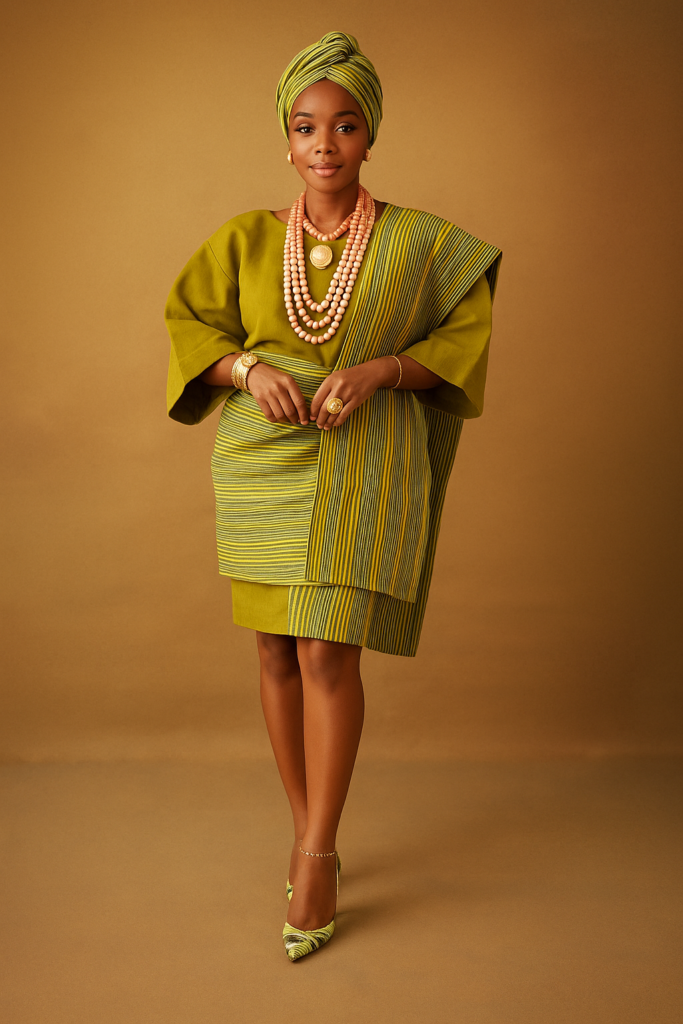
In African spirituality, being royal is not merely about status; it’s about service.
The king or queen is seen as a spiritual intermediary, a bridge between people and the divine.
Modern African royalty, then, isn’t about elitism, it’s about elevation.
To walk in royalty is to walk with consciousness.
It means honoring ancestors, protecting heritage, and embodying grace in all things.
This spiritual essence is being reborn through rituals, art, and storytelling.
You can see it in the sacred dance of the Ooni of Ife’s festivals, the crowns of the Zulu monarch, or the poetic affirmations of today’s Afrocentric women.
The message is clear: royalty is not something we put on it’s something we return to.
Cultural Renaissance in Media and Art
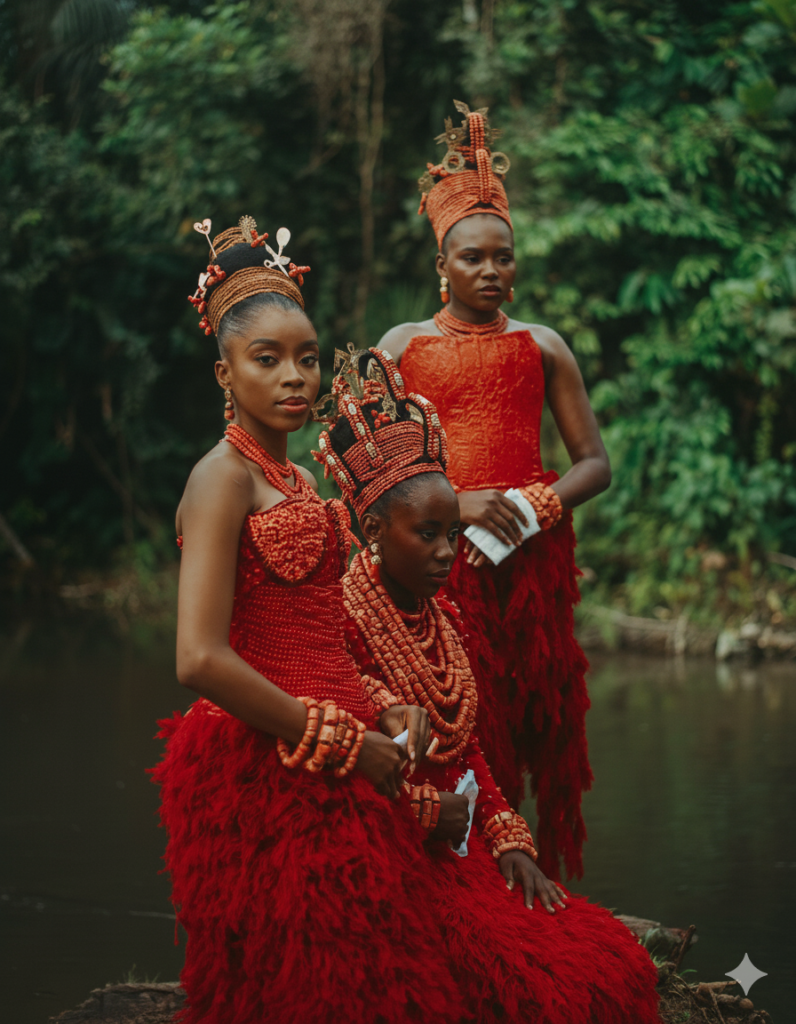
From Nollywood epics to Afrofuturist photography, African creatives are reimagining what kingship and queenship mean in the modern world.
Films like The Woman King and Queen Sono portray African leadership with authority and elegance.
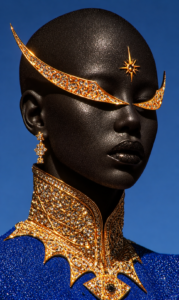
Artists such as Laolu Senbanjo, Osinachi, and Yinka Shonibare merge royal symbolism with contemporary art, reminding global audiences that Africa’s majesty is eternal.
Even music videos from Burna Boy to Tems drip with royal imagery, turning every stage into a throne room.
Through art, Africa’s youth are telling the world: our crowns were never lost — only hidden.
The Throne Awaits Those Who Remember
Royalty, in its truest sense, is self-awareness.
It is knowing that the blood of greatness runs through your veins, that your culture is your crown, and that your presence is heritage in motion.
The return of African royalty isn’t about crowns and titles it’s about consciousness.
It’s about every African choosing pride over pity, heritage over hype, and purpose over performance.
So whether you wear your crown as coral beads, locs, gele, or golden confidence remember this: You come from kings and queens who built empires long before the world noticed.
The throne isn’t in a palace.
It’s within you.
And Africa is watching her children rise one crown at a time.