African Youth and the Renaissance of Identity — From Culture to Innovation

A Generation Awake
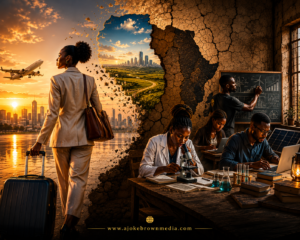
A quiet roar hums beneath the surface of Africa’s cities. It’s in the buzzing co-working hubs of Lagos, the design studios of Nairobi, the digital art collectives of Accra. It’s in the slang, the fashion, the music, the code.
A new generation of Africans is rewriting identity turning culture into currency and tradition into technology.
For centuries, Africa’s youth were told to look outward for opportunity. Now, they’re looking inward for identity and outward for impact.
This is not merely a creative movement; it’s a renaissance.
The Return of Cultural Confidence
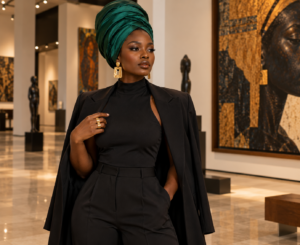
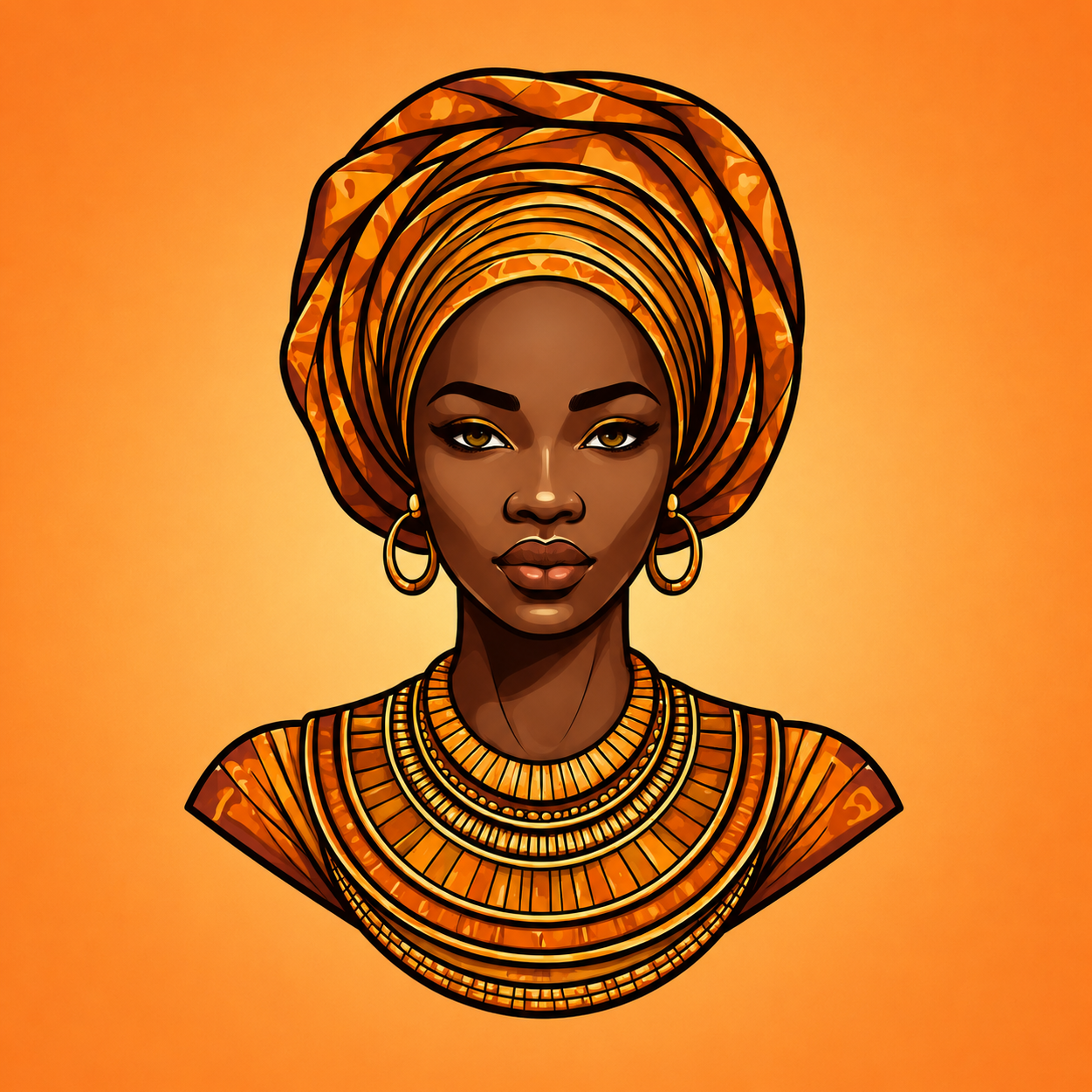
From the rise of Afro-beats to the resurgence of Ankara, African youth are wearing their heritage like armor.
Gone are the days when “made in Africa” carried an inferiority complex.
Today, it means innovation rooted in culture.
Young designers, filmmakers, and thinkers are embracing local languages, histories, and symbols as creative fuel.
They are reclaiming names, decolonizing education, and rebuilding pride through storytelling.
The power of this shift is psychological it tells every African child: you are enough, your roots are enough.
Digital Tribes and Virtual Villages
Technology has become the new talking drum.
Through social media, podcasts, and online communities, African youth are connecting across borders faster than ever before.
TikTok and Instagram have become cultural archives spaces where pidgin, Yoruba, Zulu, and Swahili coexist with global slang.
On X (formerly Twitter), conversations about identity, politics, and feminism trend daily, creating new digital nations united by ideology rather than geography.
These online spaces are not superficial; they’re spiritual.
They allow the diaspora to reconnect with the continent, creating a feedback loop of inspiration that fuels both local and global creativity.
Innovation Meets Tradition
The new African dream isn’t just tech startups it’s tech with soul.
In Nigeria, innovators are designing fintech platforms that draw inspiration from communal saving traditions like ajo and esusu.
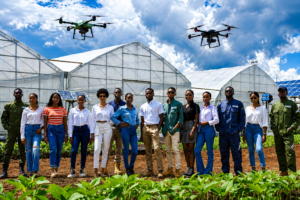
In Kenya, young engineers are combining indigenous knowledge with sustainability to tackle climate challenges.
In Ghana, artists use blockchain to preserve and sell digital art inspired by Adinkra symbols.
This is where tradition meets the touchscreen where ancestral wisdom merges with artificial intelligence.
Innovation, in Africa’s hands, becomes cultural evolution.
The Politics of Youth and Power
With more than 60% of Africa’s population under 25, youth is no longer a demographic it’s destiny.
Movements like #EndSARS in Nigeria, Fees Must Fall in South Africa, and climate-justice campaigns in Senegal show how digital activism translates into real-world transformation.
African youth are demanding not just inclusion but influence.
They are re-defining what leadership looks like: transparent, collaborative, and accountable.
Where older generations sought stability, the youth seek purpose.
They are turning protest into policy and frustration into innovation.
Fashion, Music, and the Art of Expression
Cultural expression has become the new diplomacy.
Afrobeats is no longer a genre it’s a global passport.
Designers are using indigenous fabrics to redefine luxury.
Photographers are capturing African beauty without colonial filters.
From Rema’s futuristic soundscapes to Thebe Magugu’s archival fashion, young creatives are shaping how the world sees Africa.
They blend futurism with folklore, making art that looks backward and forward at once.
Their message is simple: we don’t need validation — we are the vibe.
Education as Liberation
Across the continent, young Africans are building schools, digital academies, and mentorship hubs that teach skills for the future.
These spaces emphasize storytelling, entrepreneurship, coding, and cultural literacy lessons colonial education ignored.
Learning is no longer confined to classrooms.
YouTube, Coursera, Trace Academia, and TikTok tutorials have become universities of the people,Knowledge is being decentralized and decolonized.
As one Nairobi-based founder said, “We’re not escaping Africa to succeed we’re succeeding so Africa can’t escape us.”
Challenges on the Path
Yet, beneath this renaissance lie real challenges: unemployment, governance failures, migration pressure, and mental-health crises.
But even here, creativity thrives.
Where governments fail, communities step in.
Where systems collapse, innovation rebuilds.
It’s the same spirit that turned Afrobeat from protest into poetry, and Aso Ebi from cloth into community.
Resilience is Africa’s oldest technology.
The Rise of Cultural Entrepreneurs
A powerful wave of “cultural entrepreneurs” is merging artistry with impact.
They host exhibitions, curate fashion weeks, build e-commerce brands, and fund art collectives that sustain communities.
Ajoke Brown Media itself embodies this shift using storytelling to turn African identity into aspiration, not apology.
This isn’t charity; it’s empowerment through ownership.
The continent’s next billion-dollar ideas may not come from silicon chips, but from shea butter, storytelling, and spirit.
The Renaissance Is Us
Africa’s youth are not waiting for a new dawn; they are the dawn.
Their identity is fluid yet fierce, rooted yet revolutionary.
They are the griots, coders, models, ministers, and makers of the next civilization.
Every time they dance, build, protest, post, or create they’re writing a new constitution of culture.
And that constitution says: We are here. We remember. We reinvent. The renaissance isn’t coming.
It’s already happening, in every young African who dares to dream in their mother tongue, dress in their heritage, and design in their truth