Can Africans Really Be Vegan? The Cultural Clash between Tradition and Modern Diets
In a world obsessed with wellness trends, veganism has emerged as the global symbol of clean living and conscious eating. From Instagram feeds to luxury health cafés, plant-based eating is marketed as both enlightened and elite.
But in Africa, where food is not just nourishment but heritage, the rise of veganism sparks more than curiosity it stirs cultural tension. Can Africans truly be vegan without betraying ancestral food traditions? Or is this movement another Western lens imposed on indigenous diets that were already plant-rich long before hashtags existed?
This question is not simply about food it’s about identity, class, culture, and the politics of modernity.
Ancestral Diets Were Once Plant-Based
Before colonialism and industrialization, African diets were largely whole, seasonal, and naturally plant-forward. Our ancestors thrived on millet, beans, yam, plantains, and vegetables seasoned with palm oil, Shea, or fermented spices. Meat was sacred eaten sparingly and often reserved for celebrations or rituals.
Communities didn’t label it “veganism.” It was simply sustainability, guided by rhythm, respect, and balance.
The Yoruba concept of iwa pele (gentle living) reflected not just spiritual calm, but dietary moderation. The Maasai of East Africa understood the sacred relationship between cattle and the earth, never taking more than they needed. Even ancient Egyptian priests practiced vegetarianism during spiritual rites.
So while the modern vegan movement claims newness, Africa has always known the wisdom of plant-centered living — long before Western wellness industries rebranded it.
The Modern Vegan Dilemma: Culture vs. Class
The controversy begins when veganism is seen as foreign elitism.
In many African societies, refusing meat or fish can be misread as pride, illness, or imitation of Western lifestyles.
For example, in Nigeria, declining goat meat pepper soup or suya at a party can spark whispers of arrogance. “You think you’re better than us?” they’ll joke half-playful, half-accusatory.
This clash reveals a deeper truth: food in Africa is not just sustenance, its social glue. Sharing meat signifies belonging, wealth, and gratitude. To reject it is to risk alienating yourself from the collective bowl.
Moreover, vegan ingredients like almond milk, quinoa, and chia seeds are imported luxuries. Many African families see them as symbols of privilege, not principle. This creates a class divide where veganism becomes accessible only to those who can afford it, disconnecting it from its humble indigenous roots.
Cultural and Religious Layers
African spirituality often sees animals as sacred, yet food as communal.
In Islam and Christianity (dominant faiths across the continent), abstaining from animal products is rarely doctrinal. Fasting, yes but permanent abstinence, rarely.
Traditional African religions, on the other hand, emphasize balance. Offering sacrifices often of animals is part of spiritual exchange, not gluttony. Thus, veganism can sometimes appear to reject sacred symbolism, not just meat itself.
However, younger Africans are reinterpreting spirituality through compassion and sustainability. Some view plant-based eating as ancestral alignment a return to natural balance, not rebellion.
The Rise of Afro-Veganism
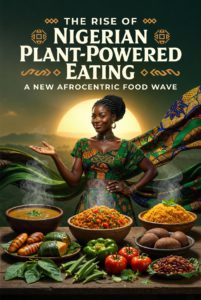
A powerful movement is emerging one that blends heritage and health without erasing culture. Across Lagos, Accra, Nairobi, and Johannesburg, Afro-vegan chefs are redefining what it means to eat consciously and culturally.
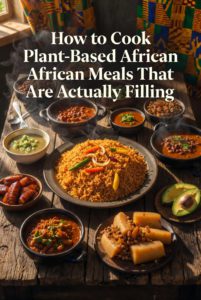
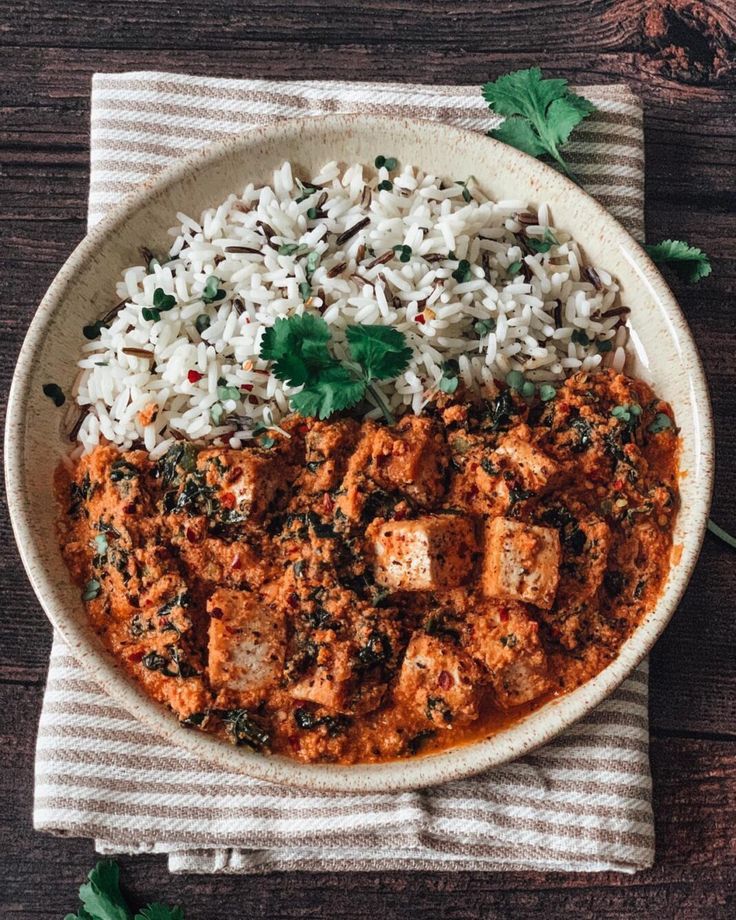
Think jollof rice made with coconut oil, egusi soup with mushrooms instead of meat, or akara fried in sustainable palm oil.
Brands like Veggie Victory in Nigeria and The Vegan Chef in South Africa are building plant-based dining scenes that celebrate, not reject, African flavor.
This Afro-vegan wave reclaims plant-based living as an African story not a Western export. It says: we can be vegan and still be rooted.
Health and Healing: Between Science and Spirit
The health argument for veganism in Africa is complex.
On one hand, rising lifestyle diseases hypertension, diabetes, obesity make a strong case for reduced meat consumption. On the other, malnutrition and food insecurity in many regions make strict veganism impractical.
The real issue is not meat itself, but industrial diets processed foods, sugar, and artificial oils replacing ancestral grains and herbs.
Returning to indigenous, whole foods vegan or not may be the true solution to Africa’s health crisis.
As herbalists and holistic healers across the continent remind us, the goal is balance, not extremism.
A Matter of Definition: What Does “Vegan” Mean in Africa?
Perhaps the real controversy is semantic.
The word “vegan” carries Western baggage activism, moral codes, and consumerism. But African food ways were never about moral purity; they were about community, gratitude, and the circle of life.
So, can Africans really be vegan?
Maybe the better question is: Can veganism be African?
When redefined through heritage when palm oil is celebrated instead of vilified, when millet replaces imported grains, and when compassion meets cultural context then yes, veganism becomes an act of reclamation, not rejection.
The Future Is Afro-Vegan, Not Imported Vegan
African veganism doesn’t need validation from global influencers.
It needs rediscovery from within a remembering that our ancestors ate with reverence, balance, and intuition.
The future of African food isn’t about abandoning meat; it’s about honoring nature.
It’s about cooking with ancestral rhythm, respecting the seasons, and eating what the land gives consciously.
So, can Africans really be vegan?
Yes when veganism wears African skin, tastes of palm oil, smells of roasted plantain, and sounds like a communal table full of laughter.