Palm Oil, Power, and Perception — Is Africa’s Most Iconic Ingredient under Threat?
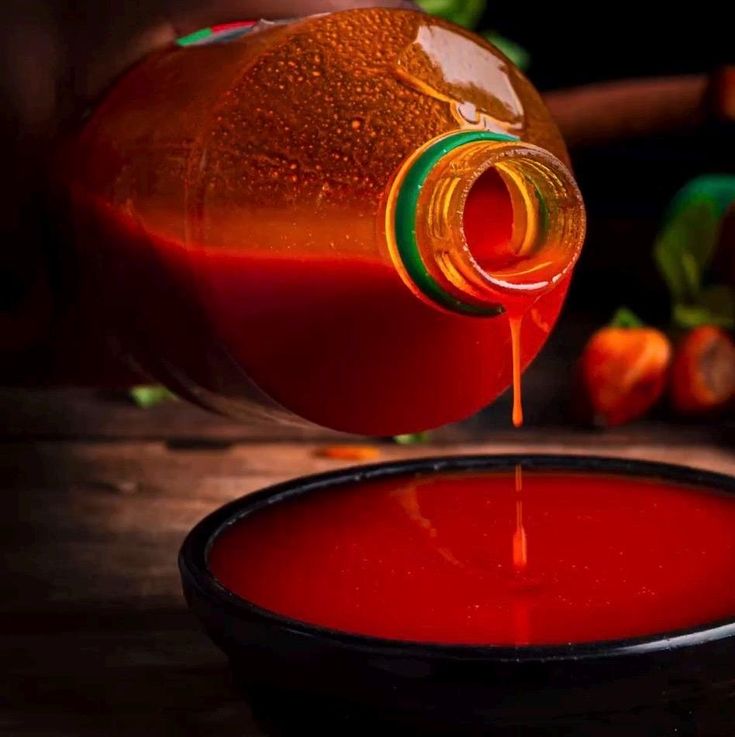
For millions across West and Central Africa, palm oil isn’t just cooking oil its memory.
It glows in village rice, thickens egusi, enriches banga soup, and marks ceremonies of birth and death alike. Its deep red color tells of earth, ancestry, and abundance.
Yet today, palm oil sits at the center of a global controversy.
While the West brands it “unsustainable,” “unhealthy,” or even “evil,” Africans call it sacred.
So, who owns the truth about palm oil the global critics, or the communities who have used it responsibly for centuries?
From Sacred Tree to Global Commodity
Long before industrial plantations and corporate greed, the palm tree was Africa’s gift to the world.
It gave food, oil, wine, medicine, shade, and even spiritual protection. In Yoruba cosmology, it was said that the palm tree serves the world without complaint.
Every part was useful the kernel became oil; the leaves wove into roofs; the sap fermented into palm wine; the bark healed skin infections. It was the original “zero waste” crop, long before sustainability became a buzzword.
Then came colonialism.
European traders saw profit in red oil and turned sacred groves into extraction fields.
What was once communal became commercial what was once spiritual became industrial.
By the mid-20th century, Southeast Asia had overtaken Africa in palm oil production, reshaping the crop into a global villain through deforestation, monoculture, and corporate exploitation.
The Western War on Palm Oil
In recent decades, palm oil has been demonized. Environmental groups blame it for deforestation, habitat loss, and climate change. Nutritionists call it unhealthy. Activists campaign for boycotts.
But here’s the contradiction: While Western media condemns palm oil, it still appears in half of the world’s packaged foods from chocolate and margarine to soaps and cosmetics.
The real issue isn’t palm oil itself it’s how it’s produced.
The African tradition of smallholder, regenerative farming is not the same as the industrial-scale monocropping seen in Indonesia or Malaysia.
Yet global narratives rarely make that distinction.
They paint all palm oil as destructive erasing Africa’s sustainable heritage in the process.
Red Gold and the Taste of Identity
For Africans, palm oil is not a choice its identity. It carries nostalgia, home, and healing.
The smell of ofada stew sizzling in red oil evokes childhood, family, and the rhythm of market days.
When diasporan Africans are told to avoid palm oil for “health” or “environmental” reasons, it often feels like an attack on memory itself.
Because to remove palm oil from our cuisine is to remove color from our culture.
The problem is that global wellness trends often ignore context. They promote imported olive oil while dismissing palm oil even though both are traditional, natural fats when used in moderation.
Health Myths and Misunderstandings
Let’s address the elephant in the kitchen: is palm oil unhealthy?
Cold-pressed, unrefined red palm oil is rich in beta-carotene, vitamin E, and antioxidants.
It supports heart health and immune function when used naturally.
What gives it a bad name is the refined, bleached, and deodorized (RBD) version used in mass-produced snacks and fast food. That’s not what our grandmothers used.
The difference between fresh palm oil and industrial palm oil is the difference between real fruit and canned syrup.
It’s not the oil it’s what capitalism did to it.
Cultural Disrespect or Environmental Justice?
Here lies the global paradox: When African farmers cultivate palm sustainably, they are dismissed as backward.
But when Western brands invest in “ethical palm oil,” it’s hailed as innovation.
Why does sustainability only count when certified by Western agencies?
Why is indigenous knowledge excluded from the global table on climate and food policy?
Africans have practiced ecological respect for centuries farming in cycles, rotating crops, and honoring land spirits through rituals of gratitude.
Our problem isn’t sustainability it’s visibility.
The global narrative erases Africa’s original stewardship and centers corporate guilt instead of ancestral wisdom.
The Rebirth of African Palm Oil Pride
Thankfully, a new wave of African entrepreneurs, chefs, and activists are reclaiming palm oil’s dignity.
In Lagos, Ghana, and the diaspora, brands now proudly market “organic African palm oil,” sourced directly from women cooperatives and village presses.
Chefs are reintroducing it to international menus, calling it liquid heritage.
Palm oil is being reframed not as a shameful relic, but as an eco-luxury bold, indigenous, and rooted in sustainability.
As Ajoke Brown Media would say: “Culture is not the enemy of progress it’s the blueprint.”
The Bigger Question: Who Tells Our Food Stories?
The fight over palm oil isn’t just about the environment it’s about who controls the narrative.
When Western documentaries show images of burning forests in Indonesia and label all palm oil “toxic,” African producers suffer collateral damage.
When food bloggers preach veganism but dismiss indigenous oils, it’s not just ignorance it’s cultural erasure.
Africa deserves to tell her own food stories.
Our ingredients should not need Western validation to be considered ethical or valuable.
Palm oil, when produced with ancestral balance, is not the villain it’s the victim of global misunderstanding.
Red Gold, Reclaimed
Palm oil is more than fat it’s faith, flavor, and family. It connects generations, economies, and ecosystems. And like many African treasures, it has been misunderstood, exploited, and undervalued.
It’s time to rewrite the story from “problem crop” to “cultural gold.”
To teach the world that sustainability didn’t start in a Western lab; it began in African kitchens, with mothers who cooked with respect for the earth.
So, the next time someone frowns at your red stew, smile and say:
This isn’t just oil — this is legacy.