Imported Food Shame — How Colonialism Taught Africans to Distrust Their Own Ingredients
Walk through any modern supermarket in Lagos, Accra, or Nairobi today and you’ll notice something curious imported foods are displayed like luxury. Italian pasta, French cheese, American snacks, Asian instant noodles neatly arranged, brightly packaged, proudly foreign.
Meanwhile, local staples like millet, cocoyam, palm oil, or ogi are tucked away in unbranded sacks or sold on wooden tables at open markets. The message is silent but powerful: imported means superior; local means backward.
This mindset didn’t happen by chance it’s the residue of centuries of colonial food politics that devalued African diets while glorifying European cuisine.
The History of Taste and Power
During colonial rule, European administrators dismissed local foods as “primitive” and “unrefined.” They introduced bread, sugar, tinned milk, and flour as symbols of “civilization.”
Africans who adopted these foods were seen as modern those who ate yam, millet, or cassava were labeled as poor or uncultured.
School feeding programs reinforced this mentality. Missionaries fed children with imported milk and biscuits while preaching that traditional foods were unhygienic or old-fashioned.
This subtle propaganda reshaped not only our diets but our identity.
Over time, eating imported food became a marker of status, class, and even intelligence.
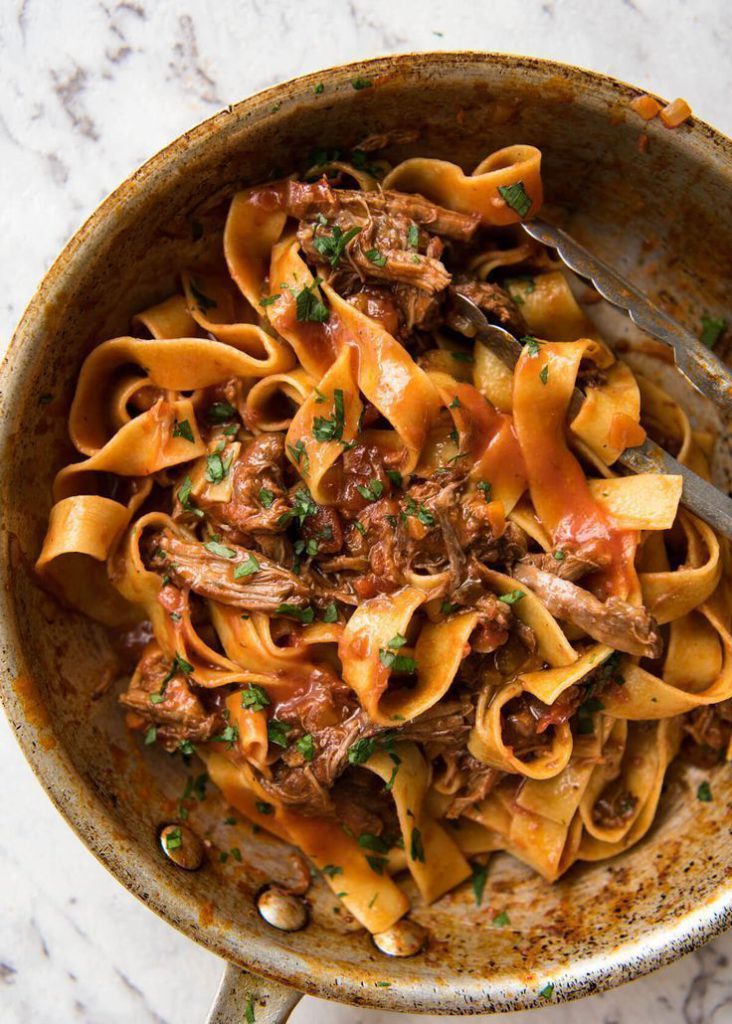
From Rice to Bread: The New Colonial Addiction
One of the most glaring examples of this imported food dependence is rice.
In precolonial times, many regions thrived on diverse, nutrient-rich grains like millet, fonio, acha, and sorghum. But as colonial trade networks grew, imported white rice became a symbol of wealth and modernity.
Today, Nigeria imports over 2 million metric tonnes of rice annually, even though the country is fertile enough to feed itself several times over.
The same goes for bread a colonial import that replaced indigenous grains and porridges. What was once ogi or tuwo became “old school” as white flour bread took over breakfast tables.
And so, food colonialism didn’t end with independence — it just changed its packaging.
The Psychology of Food Inferiority
Let’s be honest: we’ve been conditioned to admire imported foods as “premium.”
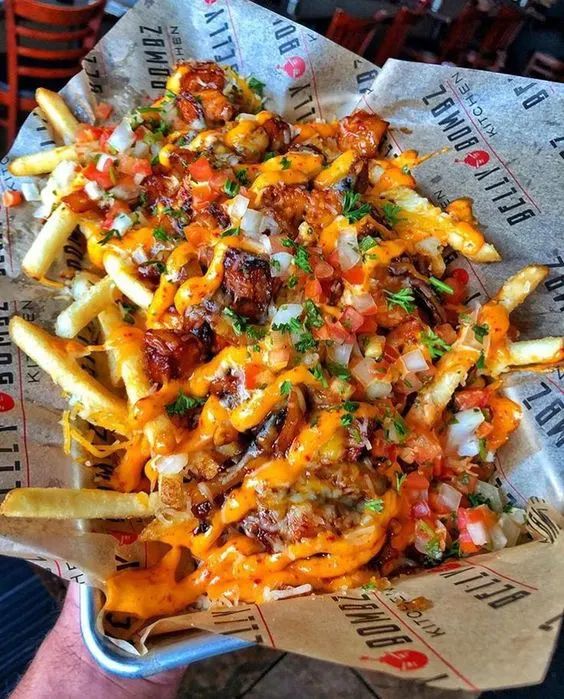
We photograph French fries but not yam fries. We post about pizza, not pounded yam.
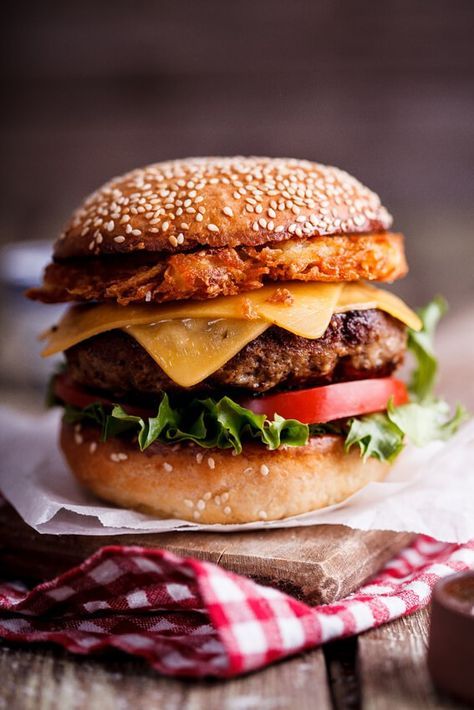
In Nigerian urban culture, a restaurant serving “continental dishes” is seen as elite, while one serving local delicacies is often considered low-end.
This isn’t just preference it’s programming. When an entire generation is raised to believe that their food is peasant food, they unconsciously abandon their roots at the dining table.
The tragedy is that Africa’s ingredients are some of the healthiest and most sustainable in the world. Yet our obsession with “white flour,” “foreign rice,” and “imported spices” continues to drain our economies and our confidence.
The Nutritional Irony
Ironically, many imported foods are less nutritious than the indigenous ones we’ve neglected.
Millet and sorghum contain more fiber, calcium, and antioxidants than white rice.
Palm oil, demonized by Western health circles, is rich in vitamin A and E.
Cassava, yam, and cocoyam are gluten-free and energy-packed.
Local vegetables like ugu, ewedu, and bitter leaf are superfoods in disguise.
But instead of celebrating these gifts, African consumers are bombarded with ads that promote imported cereals, canned soups, and frozen meats often under the illusion of modernity and convenience.
The result? A population slowly disconnected from the land and dependent on imports for survival.
Food Colonialism 2.0: Global Brands and Local Loss
Today, global food corporations dominate African markets with aggressive marketing.
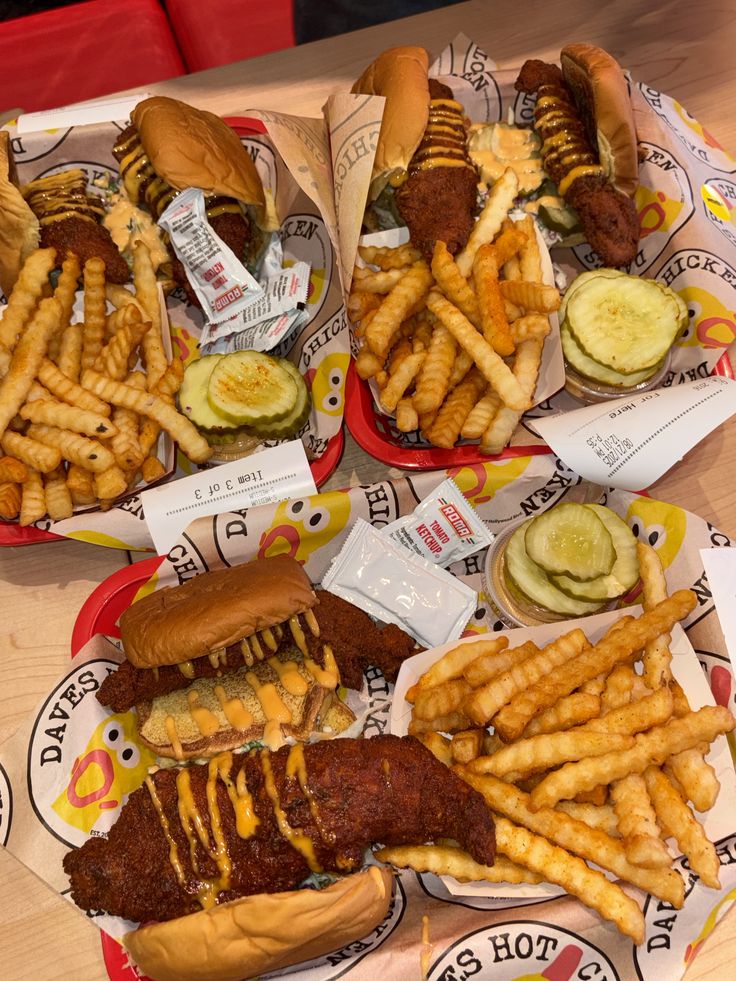
Western fast-food chains like KFC, Domino’s, and Burger King expand across cities, while local cuisines struggle for visibility.
This new wave of “culinary colonialism” turns African taste into a battleground between culture and capitalism.
In Lagos, a bowl of jollof rice might cost ₦1,500, while imported pasta or pizza sells for ₦10,000 and people gladly pay. Not because it tastes better, but because it feels prestigious.
This prestige addiction keeps the cycle alive: the more imported the food, the more aspirational it becomes.
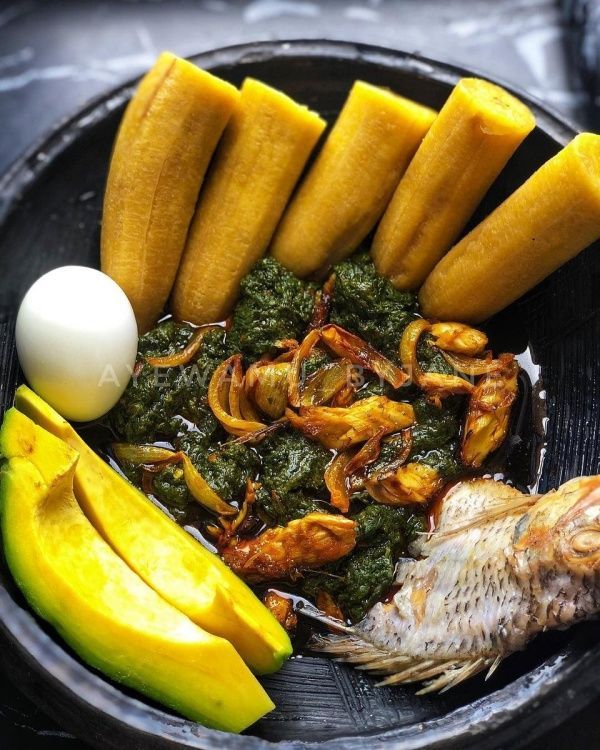
The Rise of Afro-Gastronomy: A Delicious Rebellion
Thankfully, the tide is changing. A new generation of African chefs, nutritionists, and storytellers is reclaiming our culinary pride.
Across social media, Afrochefs like Hilda Baci and Pierre Thiam are elevating traditional recipes with modern flair proving that African food can be both world-class and deeply local.
Restaurants like Nkoyo in Abuja and Ile Eros in Lagos are redefining fine dining with ingredients like locust beans, oha leaves, and snail sauce.
This movement, often called Afro-gastronomy, is more than a trend — it’s a cultural reawakening. It’s about reclaiming taste as identity and rejecting the inferiority complex that colonialism planted on our plates.
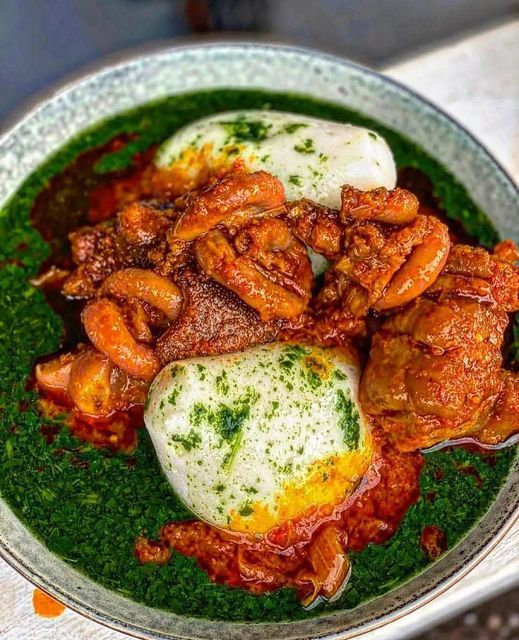
Relearning to Taste Africa Again
To love African food again is to remember who we are. It’s to see ogi as comfort food, not poverty food. It’s to serve palm wine with pride, not apology.
It’s to teach our children that “made in Africa” is not a downgrade it’s divine heritage.
Every grain of millet, every drop of palm oil, every leaf of ugu is part of a larger story of resilience. And if we don’t reclaim our culinary identity, we risk becoming a continent that imports not only its food but also its self-worth.
The Politics of the Plate
In the end, food isn’t just about nutrition it’s about power, memory, and belonging.
Every time we choose imported over local, we reinforce the belief that what is ours is not enough.
Ajoke Brown Media believes that the revolution begins in the kitchen with every pot of egusi, every spoon of fufu, every bite that reconnects us to who we are.
To eat African is not to be primitive. It’s to be authentic.
Because before colonization, before global trade, before industrial food there was Africa, and she fed her people beautifully.
So maybe the next time we crave “imported,” we should ask ourselves: Is it really better or just branded better