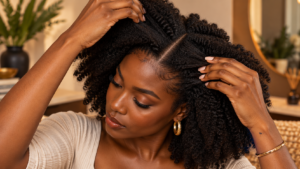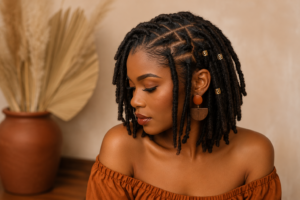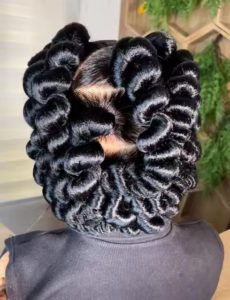

African braiders are not simply stylists; they are artists, historians, and cultural custodians. They possess a deep understanding of hair texture, braiding techniques, and the symbolic language of hairstyles. Their skilled hands transform hair into intricate works of art, each braid a testament to their mastery. The process of braiding is a meticulous and time-consuming endeavor, often requiring hours of dedication and precision. This dedication reflects the importance placed on these traditions and the respect for the artistry involved.
Beyond Aesthetics,Symbolism and Meaning,the beauty of African braids extends far beyond their aesthetic appeal. Every twist, turn, and adornment carries symbolic weight. Beads, cowrie shells, and other embellishments are not merely decorative; they are imbued with meaning, often representing wealth, fertility, spiritual connection, or protection. The specific patterns and designs of braids can also convey messages, acting as a visual language understood within specific communities. This rich symbolism elevates braiding to a powerful form of communication and cultural expression.

Resilience and Resistance, throughout history, African braiding traditions have faced challenges, particularly during periods of colonialism and enslavement. Despite attempts to suppress these practices, African people preserved their braiding traditions, often in secret, as a form of resistance and cultural preservation. Braids became a symbol of identity, a way to maintain connection to ancestral roots in the face of oppression. This resilience underscores the profound importance of these traditions as a source of cultural strength and empowerment.
A Modern Renaissance, in recent years, there has been a resurgence of interest in and celebration of African braiding traditions. This “braid renaissance” is not just a fashion trend; it is a powerful movement of cultural reclamation and self-expression. African hairstyles have gained greater visibility in popular culture, inspiring trends and challenging Eurocentric beauty standards. This increased visibility is a testament to the rich artistic heritage of African communities and a celebration of the diversity of beauty.

Empowerment and Identity, for many African individuals, braiding is a powerful affirmation of identity and a connection to their cultural heritage. It is a way to celebrate their roots, express their individuality, and connect with their community. Braiding can be a deeply personal and transformative experience, fostering a sense of pride and belonging. It is a reminder of the enduring legacy of African artistry and the power of cultural expression.
As we celebrate the beauty and cultural significance of African braids, it is essential to approach these traditions with respect and understanding. Appreciation must be grounded in acknowledging the cultural origins of these hairstyles and avoiding appropriation without proper understanding or attribution. Supporting African braiders and hair artists is crucial for ensuring the preservation and continued evolution of these traditions. By understanding the rich history, symbolism, and artistry embedded within each braid, we can gain a deeper appreciation for the enduring legacy of African braiding and its profound impact on culture, identity, and empowerment.