Afro Hair Texture and Care
In contemporary Africa and the diaspora, “Natural Roots” represents a powerful movement embracing the unique beauty, versatility, and health of afro hair texture.The recent resurgence of reclaiming and celebrating natural hair, the science behind its unique structure, and the evolving world of natural hair care practices and moving away from chemical alterations towards holistic nourishment.
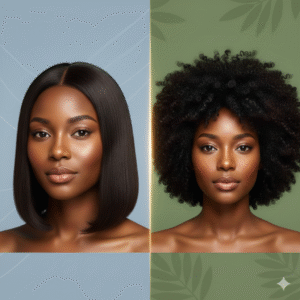
Afro-textured hair is distinct, characterized by its tightly coiled, spring-like strands, often referred to as “kinky” or “coily.” This unique structure means that each hair strand is not perfectly round but often elliptical or flat, which causes it to curl and coil tightly. The cuticle layers (the outer protective scales of the hair) in afro hair tend to be more open than in straight hair, making it prone to moisture loss and dryness. This also means it’s often perceived as “strong” due to its ability to hold styles, but it’s also more delicate and prone to breakage if not handled correctly.
The Natural Hair Movement has gained immense momentum across Africa, including in Nigeria, where for decades, relaxed or straightened hair was often seen as the standard of beauty. This movement is a reclamation of identity, self-acceptance, and a rejection of Eurocentric beauty standards. It encourages individuals to embrace their unique hair texture and nurture it.
Key principles of natural hair care focus on moisture, gentle handling, and protective styling:
Moisture is King: Due to its porous nature, afro hair thrives on moisture. Deep conditioning, leave-in conditioners, and the “LOC method” (Liquid, Oil, Cream) are staples to seal in hydration. Natural oils like shea butter, coconut oil, and argan oil are widely used for their nourishing properties, many of which are indigenous to Africa.
Gentle Cleansing: Sulfate-free shampoos or co-washing (washing with conditioner) are preferred to avoid stripping natural oils.
Detangling with Care: Detangling is done gently, preferably with fingers or wide-tooth combs, starting from the ends and working up, often on wet or conditioned hair, to minimize breakage.
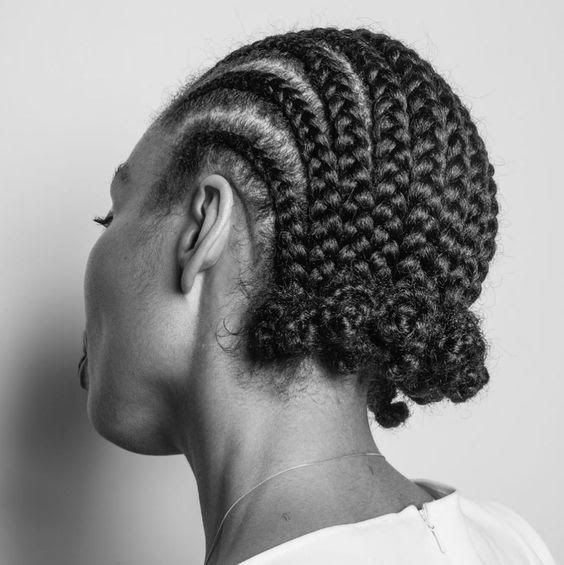
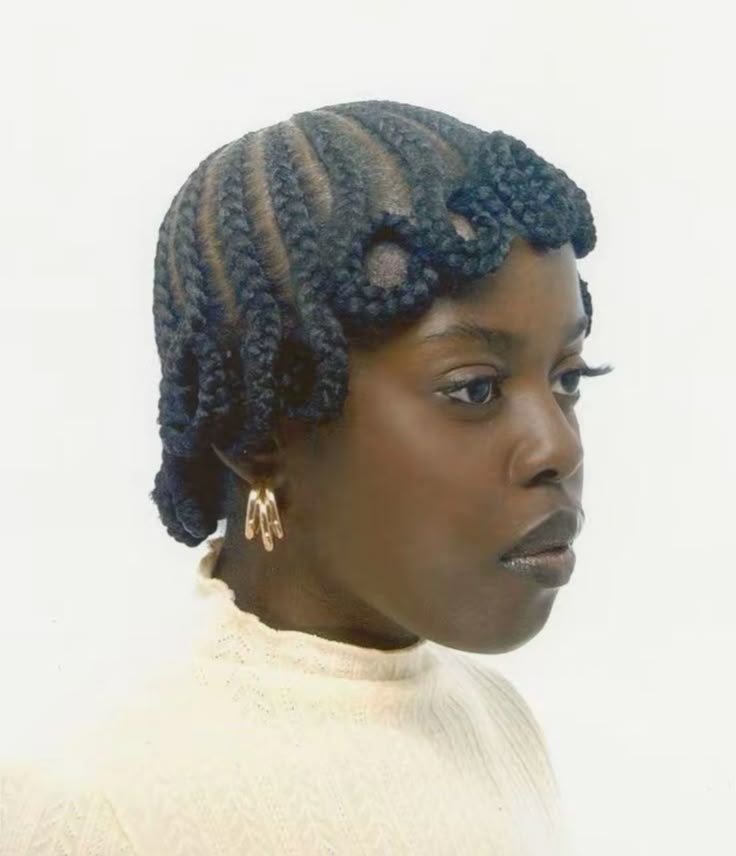
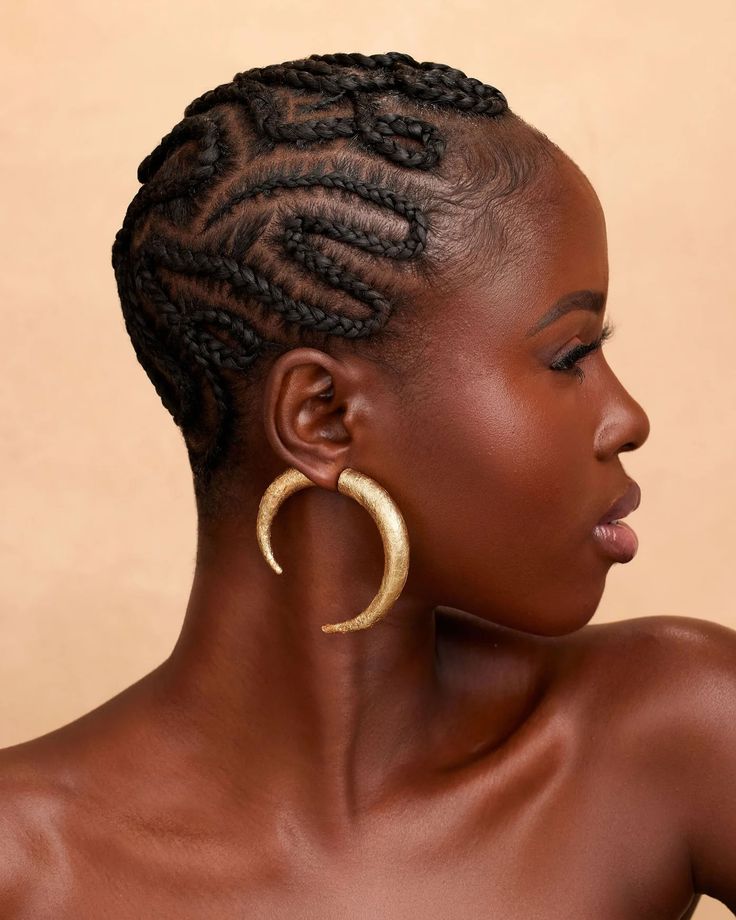
Protective Styling: Styles like braids, twists, Bantu knots, and cornrows are not just aesthetic; they protect the ends of the hair, reduce manipulation, and help retain length. These styles often have ancient roots in African cultures.
Low Manipulation: Reducing the frequency of styling and heat application helps to maintain hair health and prevent damage.
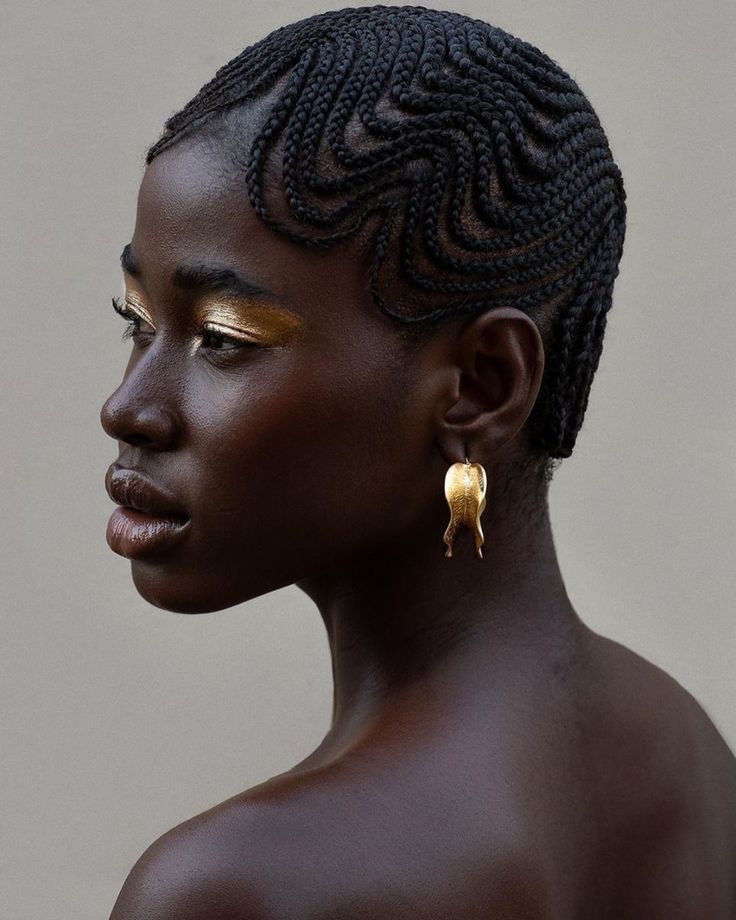
The market for natural hair products in Africa is booming, with local brands emerging that use indigenous ingredients and cater specifically to afro-textured hair. From specialized shampoos and conditioners to styling creams and hair foods (like whipped shea butter blends), consumers now have a wider array of options.
Embracing “Natural Roots” is more than a hair trend; it’s a lifestyle choice rooted in self-love, cultural pride, and a holistic approach to beauty. It celebrates the versatility and inherent strength of afro-textured hair, allowing individuals to truly express their authentic selves.