The Headwrap Story
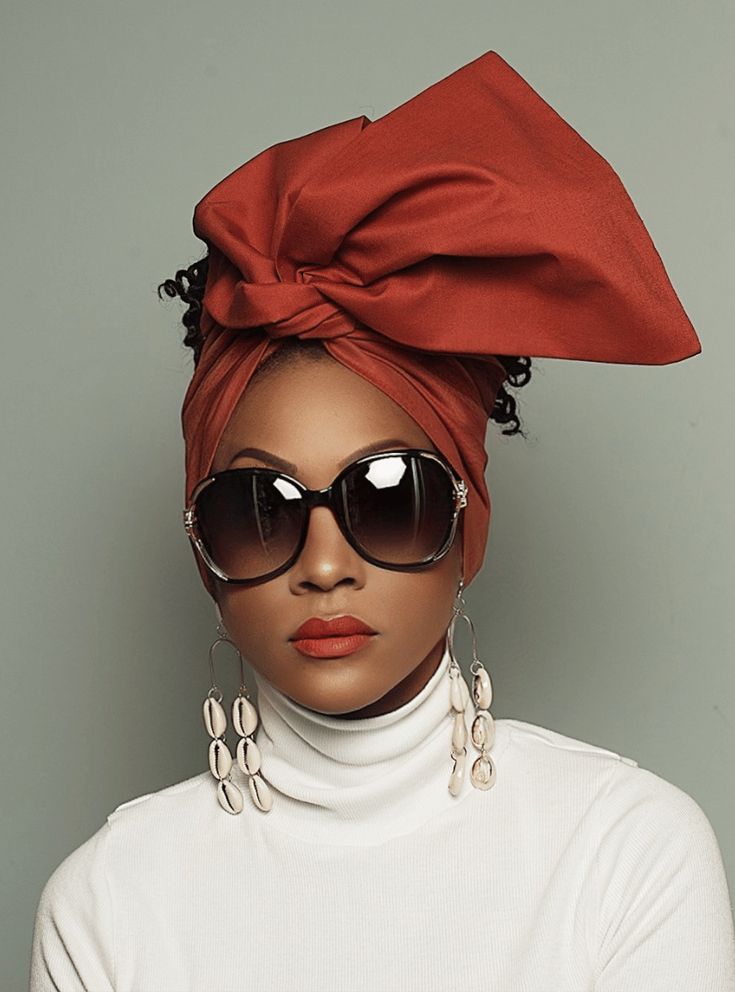
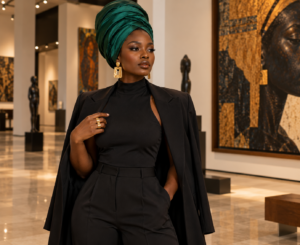
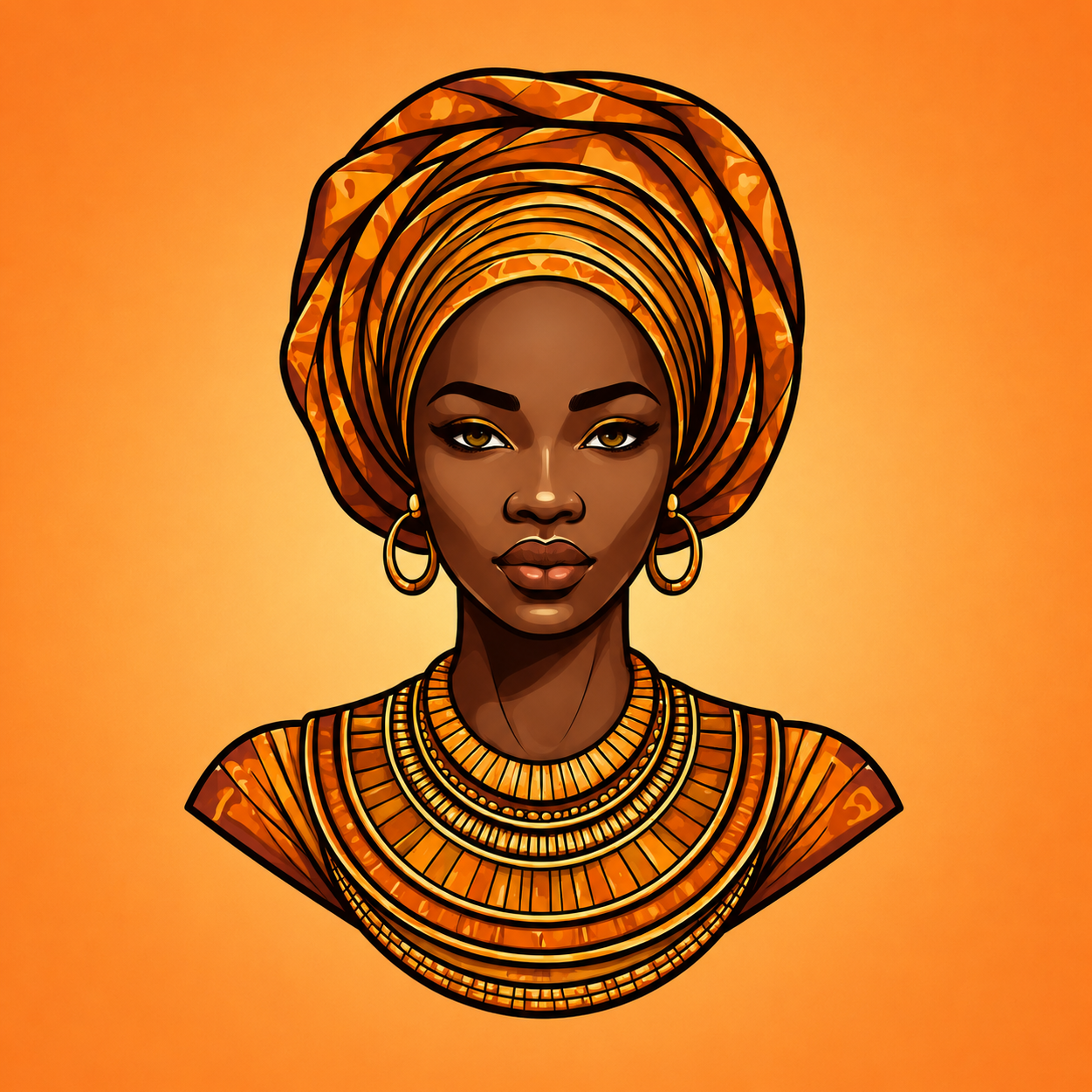
The “Headwrap Story” is a powerful narrative woven into fabric, a global symbol of African elegance, resilience, and identity. Far more than a mere fashion accessory, the headwrap (or gele in Nigeria, duku in Ghana, turban in North Africa) carries centuries of history, cultural significance, and evolving meanings, celebrating African beauty and a profound connection to heritage across continents.
The origins of headwraps in Africa are ancient, born out of practical needs for protection from the elements (sun, dust, heat) and as a hygienic practice. However, they quickly evolved into a sophisticated art form and a profound statement of culture and status. Different ethnic groups developed unique wrapping styles, fabric choices, and colors, each communicating specific information:
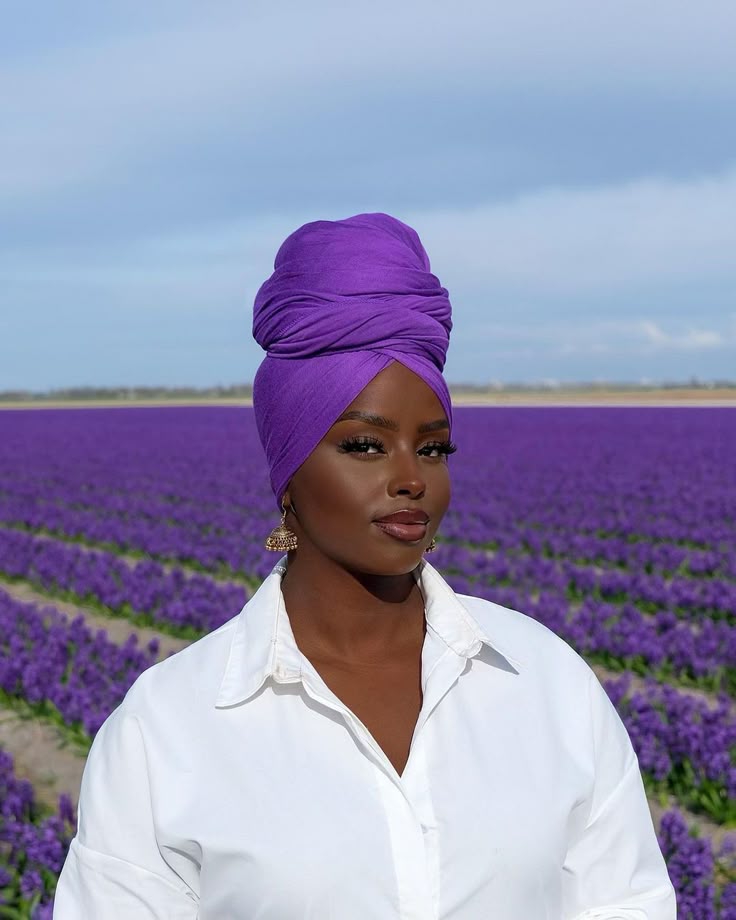
Status and Wealth: Elaborate, voluminous headwraps often indicated a woman’s social standing, age, or wealth. The quality of the fabric, the intricacy of the tie, and the presence of adornments (like beads or jewelry) could all signal prestige.
Spirituality and Modesty: In many cultures, headwraps are worn for religious reasons, symbolizing modesty, respect, and spiritual devotion, particularly in Muslim communities and some Christian denominations.
Cultural Identity: Specific wrapping styles are immediately recognizable to particular ethnic groups. For instance, the majestic, often towering gele of the Yoruba women in Nigeria is a hallmark of their celebratory attire, often worn for weddings, festivals, and other grand occasions.
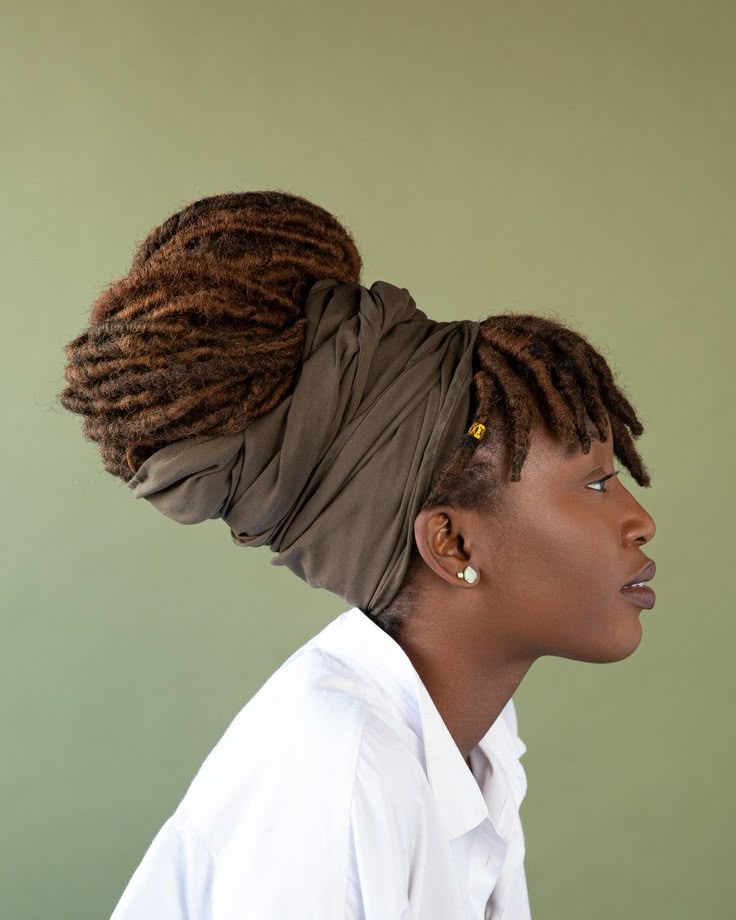
Protection and Practicality: Beyond symbolic meaning, headwraps continue to serve practical purposes, protecting hair from dust and sun, or simply managing hair in a stylish way.
The Atlantic slave trade tragically transformed the headwrap into a symbol of oppression in some contexts, as laws in the Americas often mandated that enslaved Black women cover their hair. However, enslaved women and their descendants ingeniously reclaimed the headwrap, transforming it into a powerful symbol of resistance, dignity, and beauty in the face of adversity. This act of reclaiming and re-appropriating made the headwrap an enduring emblem of resilience and cultural continuity for the African diaspora.
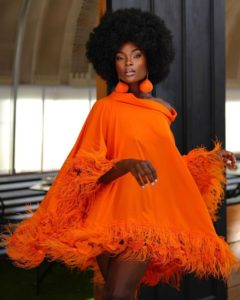
In the 20th and 21st centuries, the headwrap has experienced a powerful resurgence as a global fashion statement and a symbol of Black pride. Celebrities, designers, and everyday individuals are embracing the headwrap for its aesthetic beauty, its cultural resonance, and its versatility. There’s an art to tying a headwrap, with countless styles ranging from simple wraps to elaborate, sculptural creations. Online tutorials and workshops have popularized various tying techniques, making the art accessible to a wider audience.