A Cultural Revolution on the Runway
What makes African fashion so uniquely compelling to a global audience is its masterful blend of deep-seated tradition and cutting-edge modernity.

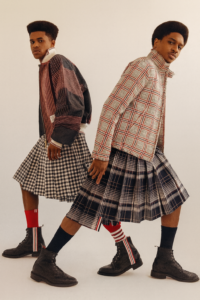
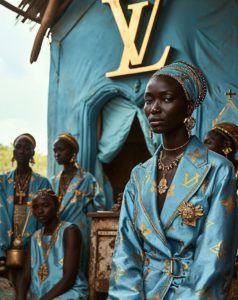
The vibrant colors, intricate patterns, and profound cultural narratives embedded within African fashion are no longer confined to the continent’s bustling markets and ceremonial gatherings. They are unequivocally making a profound and indelible impact on the global stage, sparking a cultural revolution that extends from high fashion runways in Paris, Milan, and New York to mainstream retail stores and the wardrobes of global celebrities. This escalating influence is a powerful testament to the boundless creativity, audacious innovation, and compelling storytelling inherent in African design.
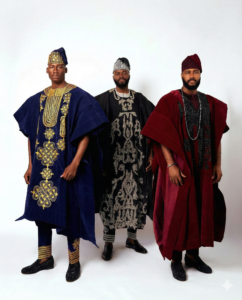
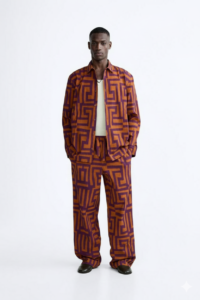
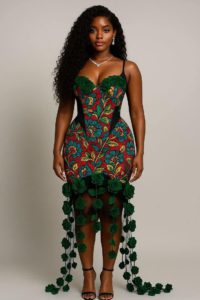
What makes African fashion so uniquely compelling to a global audience is its masterful blend of deep-seated tradition and cutting-edge modernity. Contemporary African designers are not simply reinterpreting their heritage; they are skillfully fusing ancestral techniques such as hand-weaving, intricate dyeing processes, and meticulous embroidery with avant-garde silhouettes and Western sartorial influences. The result is something genuinely fresh, exciting, and resonant – a dynamic hybrid that speaks to both history and the future. The bold use of iconic prints like Ankara and Kitenge, the elegant draping of traditional robes (like the agbada and boubou), the rich textures of fabrics like kente and mud cloth, and the exquisite beadwork from various cultures are all finding innovative new expressions and receiving unprecedented global appreciation.

This surge in global visibility is driven by several factors. Firstly, there’s a growing international appetite for authenticity, uniqueness, and craftsmanship – qualities that African fashion embodies in abundance. Consumers are seeking garments with a story, pieces that reflect cultural richness and ethical production, moving away from the anonymity of mass-produced fast fashion. Secondly, the digital age has democratized access, allowing African designers to connect directly with global audiences, bypassing traditional gatekeepers and showcasing their work to the world via social media and e-commerce platforms. This direct engagement fosters understanding and appreciation.
Furthermore, the conversation around African fashion is shifting profoundly. It’s no longer just about “inspiration” or appropriation; it’s about direct collaboration, respectful cultural exchange, and deserved recognition of African talent. International brands and publications are increasingly featuring African designers, collaborating on collections, and spotlighting their unique perspectives, signaling a more equitable engagement. This shift acknowledges Africa not just as a source of raw materials or inspiration, but as a legitimate and powerful creative hub.
As more African designers gain international acclaim, they are doing more than just selling clothing. They are sharing complex cultural narratives, challenging long-held stereotypes about the continent, and establishing Africa as a formidable and indispensable force in the global fashion landscape. From the meticulous tailoring of designers like Orange Culture and Maxhosa Africa to the vibrant storytelling of Lisa Folawiyo and Rich Mnisi, African fashion is proving that its artistry, innovation, and cultural depth are not just trending but are fundamentally reshaping the future of what we wear and how we perceive the world. It’s a true celebration of diversity, creativity, and the enduring power of cultural expression.