
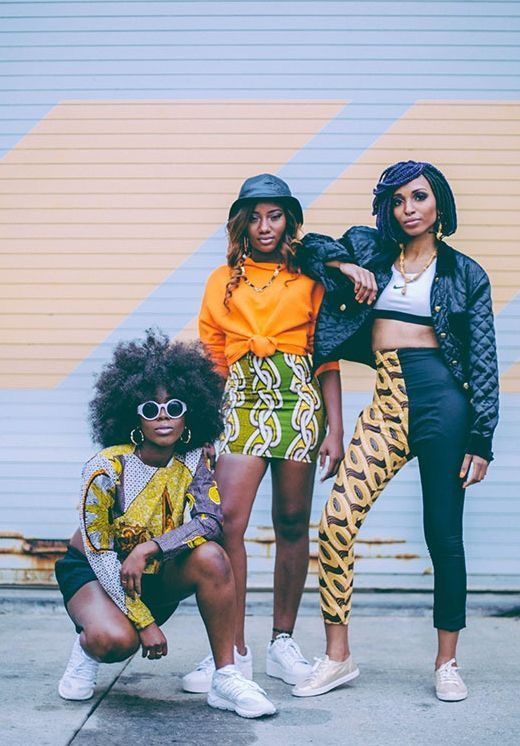
In an era increasingly defined by environmental consciousness and ethical consumerism, African fashion is not just participating in the sustainable movement; it’s emerging as a vital, innovative leader. For centuries, communities across the African continent have instinctively practiced sustainable methods of textile production and consumption, deeply rooted in respect for natural resources and traditional craftsmanship. This inherent wisdom, passed down through generations, is now at the forefront of a global paradigm shift towards more responsible and equitable fashion systems.
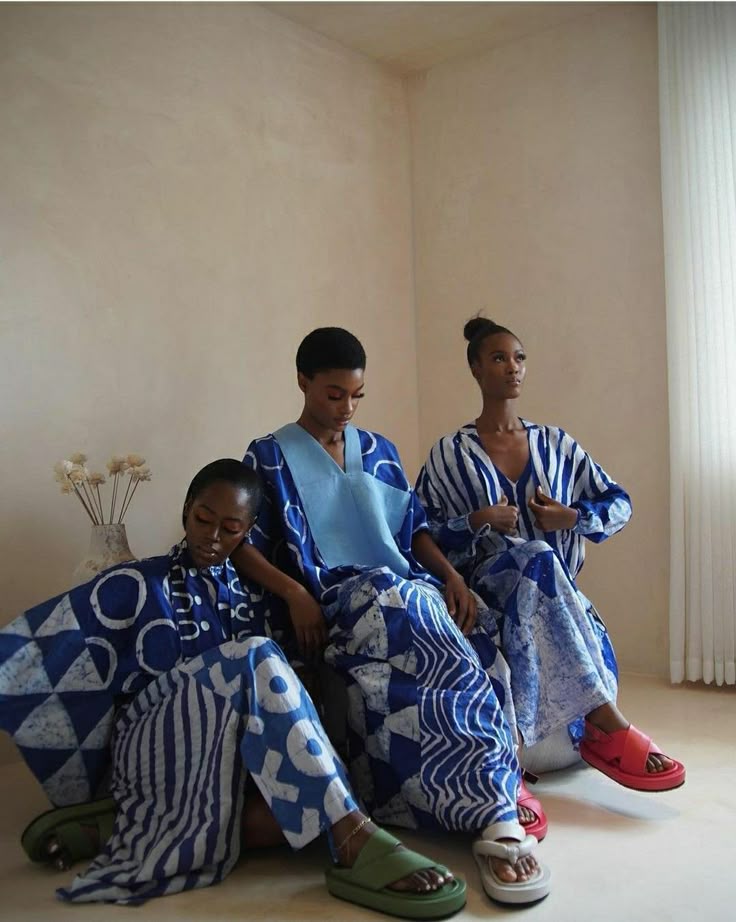
The very foundation of many African design practices is inherently sustainable. Local sourcing of raw materials is a given, often utilizing organic cotton, hand-woven raffia, indigenous fibers like silk and hemp, and natural dyes derived from plants, minerals, and insects. This localized production chain drastically reduces carbon footprints associated with transportation and industrial processing. Traditional techniques, such as hand-weaving, natural dyeing, resist-dyeing (like Adire and Bogolanfini), and intricate embroidery, are not only artisanal masterpieces but also inherently low-impact, relying on human skill rather than heavy machinery and excessive energy.
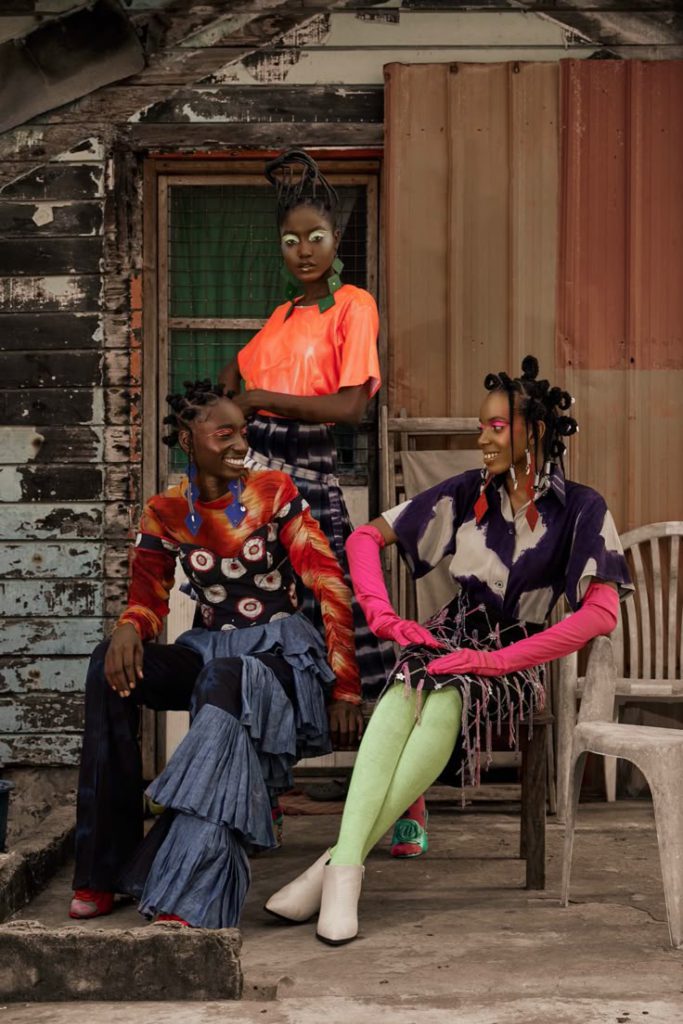
African designers and brands are consciously championing a range of ethical and sustainable practices. Upcycling and repurposing are deeply ingrained principles, where discarded fabrics, plastic waste, or even old clothing are transformed into new, high-value garments, thereby diverting waste from landfills and extending the lifecycle of materials. Many brands are built on fair trade principles, ensuring that artisans, weavers, dyers, and garment workers receive fair wages, work in safe conditions, and are empowered within the supply chain. This commitment to human dignity is as crucial as environmental stewardship in the broader definition of sustainability.
Moreover, the slow fashion ethos is intrinsic to African fashion. Unlike fast fashion’s seasonal churn, traditional African garments are often made to last, designed with durability and timelessness in mind. Pieces are cherished, repaired, and handed down through generations, promoting a culture of longevity and reducing rampant consumption. This approach not only lessens environmental burden but also fosters a deeper appreciation for the artistry and story behind each garment.
The narrative around African fashion is evolving beyond mere aesthetic appreciation to a recognition of its profound ethical dimensions. By supporting sustainable African fashion, consumers are not just acquiring unique, high-quality pieces; they are investing in the preservation of ancient crafts, supporting local economies, empowering marginalized communities, and contributing directly to a more equitable and greener industry. From eco-friendly textile innovations to community-based production models, African designers are proving that style and sustainability are not mutually exclusive but can, and should, be inextricably linked. This leadership offers a powerful blueprint for a global fashion industry striving for a more conscious and respectful future, demonstrating that true innovation often lies in returning to fundamental wisdom.