The Heartbeat of Nigerian Celebrations
While Jollof Rice has variations across West Africa, Nigerian Jollof is distinct and fiercely loved.

Jollof Rice is arguably Nigeria’s most famous culinary export, a one-pot wonder that ignites passion, inspires friendly rivalries (especially with Ghana), and brings smiles to faces. Its unmistakable aroma and flavor instantly signal a celebration. No Nigerian party, wedding, naming ceremony, or major holiday is complete without it.
While Jollof Rice has variations across West Africa, Nigerian Jollof is distinct and fiercely loved.
Smoky Flavor (Party Jollof) This highly coveted characteristic is often achieved by cooking the rice in large pots over wood or charcoal fires, allowing a slight charring at the bottom, imparting an irresistible smoky aroma. Even home cooks strive to replicate this “party Jollof” taste on stovetops.
Rich Tomato and Pepper Base The foundation is a deeply flavorful stew made from a blend of fresh red bell peppers, tomatoes, scotch bonnets (for heat), and onions, often pureed and fried down until intensely concentrated.
Strategic Seasoning Essential spices include curry powder, dried thyme, bay leaves, ginger, garlic, and bouillon cubes, contributing to its complex aromatic profile.
Absorbed Flavor The parboiled rice is added directly to the simmering stew, where it slowly absorbs all the rich flavors, cooking to tender perfection. Water management is key to preventing soggy or burnt rice.
Vibrant Color: The iconic reddish-orange hue comes from the combination of tomatoes and red bell peppers, a visual cue of its deliciousness.
The Jollof Wars A Cultural Phenomenon: The playful “Jollof Wars” between Nigeria and Ghana, often debated on social media and at gatherings, are more than just a culinary dispute. They highlight the deep cultural pride and national identity tied to the dish. Nigerians typically argue their version is smokier and more flavorful, while Ghanaians champion theirs as sweeter and more aromatic. These “wars” are a testament to how deeply Jollof is woven into the national consciousness.
Jollof’s Role in Celebrations
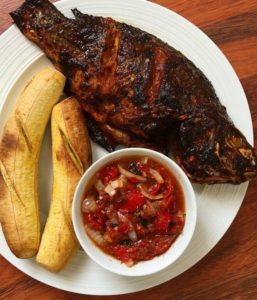
Weddings and Parties: It is the center of the buffet, served in massive quantities, often with fried chicken, beef, or fish, and fried plantains (dodo).
Holidays: Christmas, Eid, and other public holidays are incomplete without a pot of Jollof Rice, bringing families together.
Hospitality: Offering Jollof Rice to guests is a warm gesture of welcome and generosity, signaling that a special effort has been made.
Comfort and Nostalgia: For Nigerians in the diaspora, the taste of Jollof Rice evokes powerful memories of home, family, and shared happy moments.
Jollof is more than just food, it is a unifying force, a source of national pride, and the quintessential symbol of joy, togetherness, and the rich culinary spirit that defines Nigerian festivities.