Nigerian Soups and Stews
Nigerian soups and stews are renowned for their bold flavors, often built on a base of palm oil or groundnut oil, tomatoes, peppers, and onions, combined with a plethora of local vegetables, leaves, and a wide array of proteins. They are almost universally eaten with “swallow” foods, embodying a communal and deeply satisfying dining experience.
Key Characteristics of Nigerian Soups and Stews
Rich Base: Often starts with a blend of bell peppers, tomatoes, onions, and scotch bonnets, either blended into a smooth paste or coarsely chopped.
Palm Oil/Groundnut Oil: Essential for many traditional stews, providing distinct flavor, color, and richness.
Assorted Proteins: A variety of meats (beef, goat, chicken, assorted offal like shaki/tripe, ponmo/cowhide), fish (fresh, smoked, or dried), and seafood (prawns, periwinkles) are commonly used, adding layers of flavor and texture.
Local Spices and Condiments: Indigenous spices like iru (fermented locust beans), ogiri (fermented castor seeds), uziza (African black pepper), and ehuru (African nutmeg) are crucial for authentic flavor profiles and umami.
Variety of Thickeners: What often distinguishes Nigerian soups is their natural thickening agents.
Iconic Nigerian Soups and Stews by Thickeners/Main Ingredients:
Melon Seed Based
Egusi Soup: Made with ground melon seeds, which provide a rich, nutty, and slightly grainy texture. It’s incredibly popular nationwide, often cooked with bitter leaf, pumpkin leaf (ugu), or spinach, and various meats/fish.
Drawy Soups (Okra, Ogbono, Ewedu)
Okra Soup: Uses fresh okra, which releases a mucilaginous (drawy) substance when cooked, providing a unique texture. Often cooked with seafood and various meats.
Ogbono Soup: Made from ground wild mango seeds, famous for its strong drawy consistency and earthy flavor. Typically cooked with a variety of meats and leafy greens.
Ewedu Soup (Yoruba): A light, drawy soup made from jute mallow leaves, often served with Amala and Gbegiri (bean soup).
Leafy Green Soups/Stews:
Efo Riro (Yoruba): A rich, vibrant stew made primarily from spinach or other local leafy greens (like waterleaf or pumpkin leaf), cooked in a peppery palm oil base with assorted meats/fish.
Afang Soup (Efik/Ibibio): A robust soup from the South-South, made with afang leaves (okazi) and waterleaf, thickened slightly and packed with assorted meats and seafood like periwinkles.
Edikang Ikong (Efik/Ibibio): A highly nutritious and popular vegetable soup made with ugwu (fluted pumpkin leaves) and waterleaf, abundant with meat and seafood.
Bitter Leaf Soup (Ofe Onugbu Igbo): Made from meticulously washed bitter leaves, cooked in a rich palm oil broth with assorted meats and often cocoyam for thickening.
Speciality Soups and Stews:
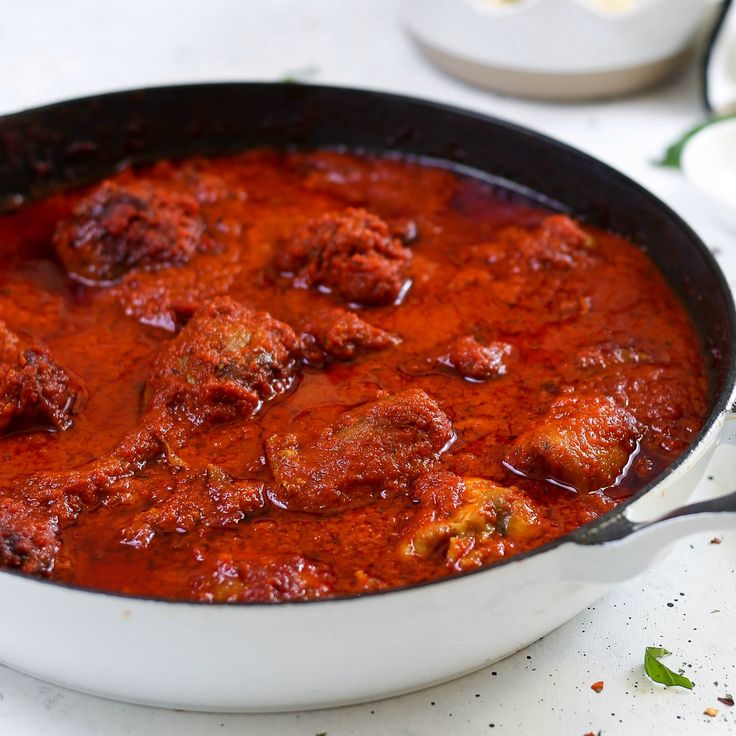
Nigerian Stew (Red Stew): A versatile, tomato-based stew that forms the base for Jollof Rice, Fried Rice, or served with plain white rice and fried plantains.
Banga Soup (Delta/Urhobo): Made from the concentrated juice of palm nuts, creating a rich, flavorful, and slightly thick soup, often paired with starch (a cassava swallow) and fresh fish.
Pepper Soup: A light, clear, and intensely spicy broth (as previously discussed), famous for its aromatic spices and diverse protein options, often consumed for its warming and medicinal properties.
Nigerian culinary heritage, showcases the ingenuity with how local ingredients and time-honored techniques transforms simple components into a diverse, flavorful, and deeply satisfying array of soups and stews that are central to the nation’s identity and daily life.