Stories for Tomorrow
Children’s literature plays an indispensable role in shaping young minds, instilling values, nurturing imagination, and building a strong sense of self-identity. For children in West Africa, for those of West African descent in the diaspora, and indeed for children globally, books that feature West African characters, stories, and cultural contexts are profoundly important. These “Stories for Tomorrow” are not just entertaining; they are vital tools for fostering a robust sense of heritage, promoting cultural literacy, and offering diverse perspectives that are often underrepresented in mainstream global narratives.
The power of culturally relevant stories lies in their ability to provide both mirrors and windows. For West African children, these books serve as mirrors, reflecting their own experiences, appearances, family structures, celebrations, and cultural practices. Seeing themselves authentically and positively represented in stories validates their identity, builds self-esteem, and reinforces their sense of belonging. This is particularly crucial in a world where media portrayals of Africa can sometimes be limited, stereotypical, or focused on adversity. When a child reads about a protagonist who looks like them, lives in a setting they recognize, and navigates challenges rooted in their own cultural context, it fosters a profound connection and self-acceptance.
Beyond identity, West African children’s literature is a powerful vehicle for transmitting cultural knowledge and values. Traditional folktales, passed down through generations, are rich with moral lessons, explanations of natural phenomena, and insights into community ethics. Stories featuring trickster figures like Anansi the Spider (from Ghana, widespread in West Africa and the diaspora) teach cleverness, wit, and the consequences of actions, often with humor. Tales of bravery, kindness, communal responsibility, and respect for elders instill core virtues. These narratives connect children to their ancestral wisdom, helping them understand their place within a rich lineage of oral storytelling. Many contemporary authors adeptly adapt these oral traditions into engaging written formats, ensuring their continuity for future generations.
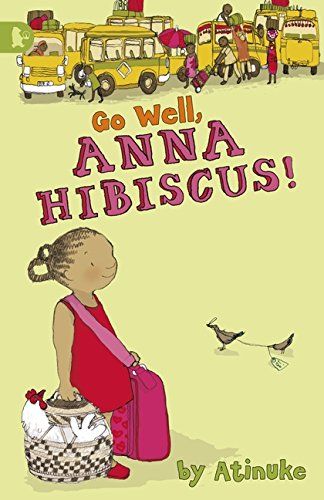
Contemporary West African children’s book authors are also creating new, vibrant narratives that address modern realities. They explore themes of urban life, technology, environmental consciousness (such as plastic pollution and climate change), contemporary family dynamics, and even the nuances of growing up in a multicultural West African society. These books often feature strong, curious protagonists, diverse characters, and settings that range from bustling Lagos markets to serene Senegalese villages, or the classrooms of Accra. Publishers like Cassava Republic Press (through its children’s imprint, Ankara Press) are leading the charge, bringing beautifully illustrated and thoughtfully written books to the market. Authors such as Atinuke (Nigerian-British) with her Anna Hibiscus series, or Evelyn D. Ndongmo (Cameroonian) with her vibrant picture books, are captivating young audiences globally. Furthermore, these “Stories for Tomorrow” serve as invaluable windows for non-African children. By reading these books, children in other parts of the world gain authentic exposure to different cultures, fostering empathy, challenging preconceived notions, and broadening their understanding of the global community. It teaches them about the vastness and diversity of the world, promoting cross-cultural respect and appreciation from a young age, preparing them to be more global citizens