Emerging Voices in West African Literature
West Africa has always been a cradle of storytelling, from ancient griots to foundational post-colonial novelists. Today, the literary scene is experiencing a vibrant resurgence, with a new generation of writers emerging to tell fresh, urgent, and incredibly diverse stories that reflect the complexities of contemporary West African life and its global diaspora. These emerging voices are not merely following in the footsteps of their illustrious predecessors; they are forging new paths, experimenting with form, pushing thematic boundaries, and redefining what West African literature can be.
One of the most compelling aspects of these new narratives is their willingness to delve into previously underexplored subjects or to revisit familiar themes with novel perspectives. While themes of colonialism and post-independence disillusionment still resonate, these writers are increasingly focused on the nuances of modern identity, gender fluidity, LGBTQ+ experiences, mental health, urbanization, the pervasive influence of technology and social media, and the intricate dynamics of interracial and intercultural relationships within the West African context and beyond. This marks a shift towards more individualized, introspective, and often intimate narratives, moving beyond Grand National epics to explore the intricate human experience.
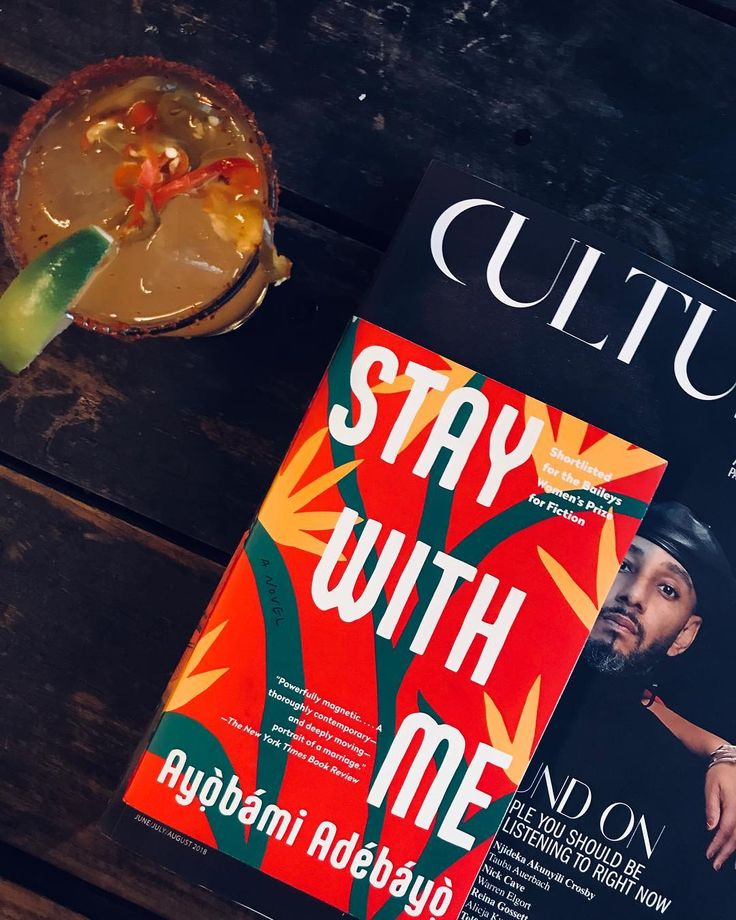
Consider Ayòbámi Adébáyò (Nigeria), whose debut novel Stay with Me brought her international acclaim. This powerful book delves into the emotional toll of infertility and societal pressures on marriage within a Nigerian setting, told with remarkable empathy and psychological depth. Her nuanced character portrayals and exploration of complex family dynamics mark her as a significant new voice.
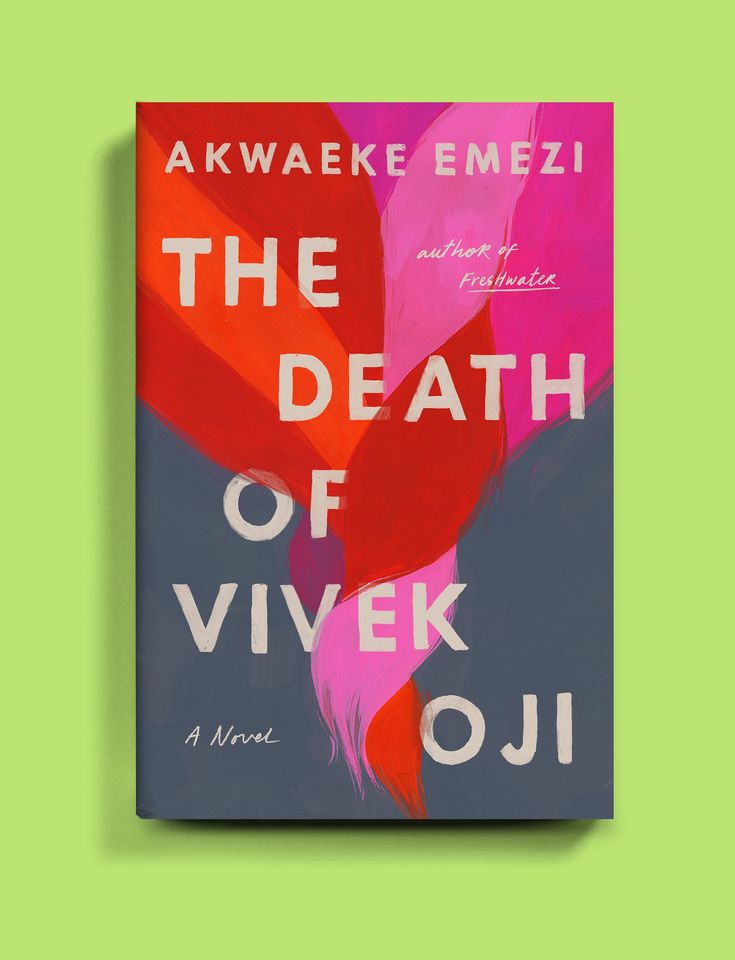
Akwaeke Emezi (Nigerian) is another standout, captivating readers globally with their audacious and often spiritual explorations of identity, gender, and the body. Novels like Freshwater and The Death of Vivek Oji blend realism with elements of Igbo cosmology and animist spirituality, creating rich, complex worlds that blur traditional boundaries between the living and the spiritual, the physical and the metaphysical. Emezi’s work is a testament to the enduring power of African belief systems within contemporary narratives.
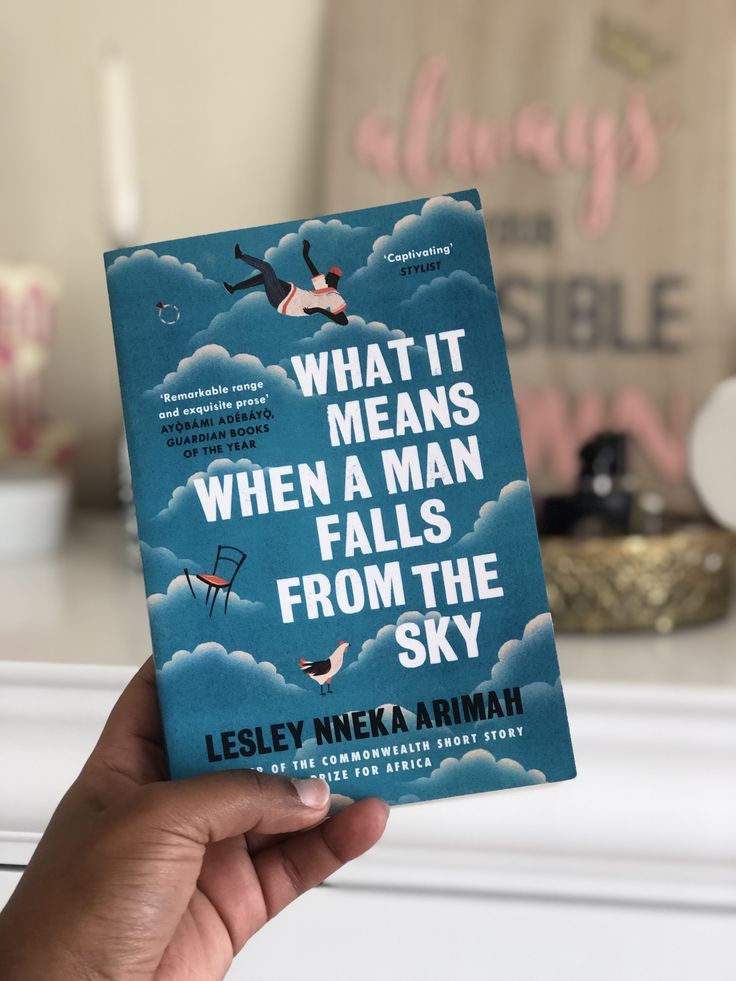
Lesley Nneka Arimah (Nigerian) made a significant impact with her short story collection What It Means When a Man Falls From the Sky. Her stories blend magical realism with sharp social commentary, exploring themes of womanhood, displacement, and the intricacies of Nigerian family life with a precise and inventive prose style. Her ability to craft compelling and often surprising narratives marks her as a distinctive talent.

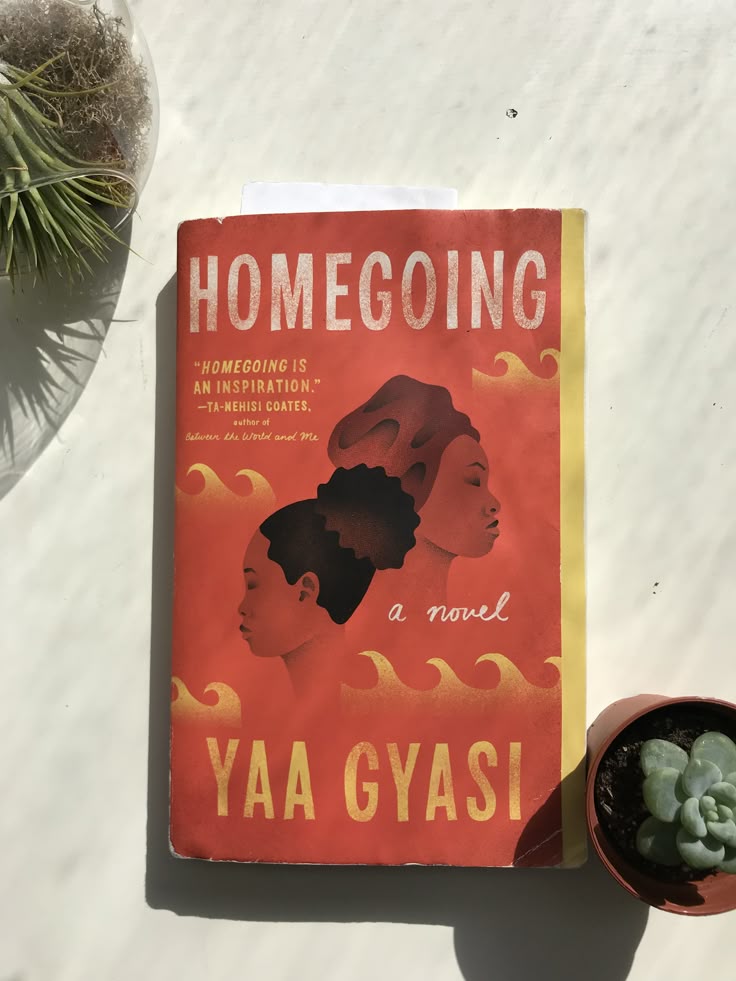
Writers based in the diaspora are also enriching the West African literary landscape. Yaa Gyasi (Ghanaian-American) gained widespread recognition for Homegoing, a multi-generational epic that traces the devastating legacy of slavery and colonialism from Ghana to America. Her meticulous research and compelling storytelling give voice to the untold stories of women and families throughout history. Maame Blue (Ghanaian-British) explores contemporary British-Ghanaian identity, relationships, and self-discovery in her debut novel Bad Love.
These emerging writers are also notable for their stylistic versatility and willingness to experiment with narrative forms. They incorporate elements of magical realism, speculative fiction, experimental prose, and non-traditional structures, pushing the boundaries of what a “West African novel” or story can be. Their prose is often vibrant, immediate, and deeply personal, reflecting a confidence in their unique voices and experiences.
The burgeoning network of West African literary festivals, workshops, and online platforms has played a crucial role in amplifying these new voices, ensuring that their stories reach wider audiences both within the continent and internationally. The next chapter of West African literature promises to be incredibly diverse, inventive, and profoundly engaging, continually challenging expectations and offering fresh, insightful perspectives on the human condition from a distinctly West African vantage point. These emerging talents are not just writing; they are actively shaping the future of global storytelling.