The debate over genetically modified organisms (GMOs) in Africa remains one of the most passionate and consequential agricultural discussions on the continent. As climate change, population growth, and pest pressures intensify food insecurity, African governments face a critical choice: embrace biotechnology for higher yields and resilience, or prioritize traditional farming methods and seed sovereignty amid fears of corporate control and health risks?
The Current State of GMO Adoption in Africa
As of mid-2026, GMO adoption across Africa is highly fragmented. Only about 11 out of 54 African countries have approved GM crop cultivation. South Africa leads significantly, having commercialized GM crops since the late 1990s, followed by active adopters like Nigeria, Kenya, Ghana, Ethiopia, and others.
Key GM Crops in Africa:
TELA Maize — Insect-resistant and drought-tolerant maize, commercialized in Nigeria (2024) and advancing in Ethiopia and Kenya.
Bt Cowpea — Nigeria’s first GM food crop (approved 2019), resistant to pod-borers.
Bt Cotton — Grown in several countries for pest resistance.
Other trials: Virus-resistant cassava, nutrient-enhanced rice, and more.
Despite progress, Africa still accounts for a tiny share of global GM acreage. Many nations maintain strict restrictions, bans, or slow regulatory processes.
Major GMO Policy Positions by Country
Nigeria: One of Africa’s most progressive nations. Strong biosafety framework via NBMA. Commercialized Bt cowpea and TELA maize. Government views biotechnology as essential for food security.
South Africa: Most advanced adopter with decades of experience and significant acreage under GM maize, cotton, and soy.
Kenya: Lifted a long ban in 2022 due to drought but faced ongoing legal challenges. A 2025 Court of Appeal status quo order paused further implementation.
Ethiopia: Recently approved TELA maize and Bt cotton for commercial production.
Uganda & Tanzania: Generally resistant, citing health, environmental, and sovereignty concerns.
Ghana, Malawi, Zambia: Cautious adoption with field trials and limited commercialization.
Regional bodies like the African Union are working toward harmonized policies, but progress remains slow.
Arguments for GMO Adoption in Africa
Food Security and Climate Resilience Africa’s population is projected to reach 2.5 billion by 2050. GM crops like drought-tolerant TELA maize and pest-resistant varieties can significantly reduce losses from fall armyworm, stem borers, and erratic rainfall.
Economic Benefits for Smallholder Farmers Reduced pesticide use lowers costs. Studies in South Africa and Nigeria show yield increases and income gains for adopters.
Nutrition and Health Improvements Projects like nutrient-enhanced cassava and rice target malnutrition (e.g., iron and zinc deficiencies).
Scientific Safety Consensus Thousands of global risk assessments find approved GM crops as safe as conventional counterparts for consumption and the environment.
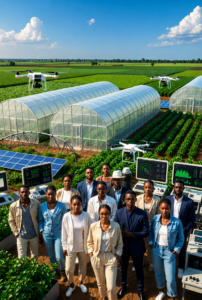
Local Innovation Many recent projects (e.g., TELA) are public-private partnerships with royalty-free seeds for smallholders, reducing corporate dependency fears.
Arguments against GMO Adoption / Key Fears
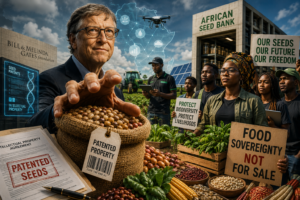
Seed Dependency and Corporate Control Critics argue GM seeds create reliance on multinational companies, as farmers may not save and replant patented seeds. Terms like “food colonialism” appear frequently in debates.
Environmental and Biodiversity Risks Concerns include gene flow to wild relatives, impacts on non-target organisms, and promotion of monocultures.
Health and Long-Term Unknowns Public skepticism persists despite scientific evidence, fueled by misinformation and historical distrust of Western agricultural tech.
Socio-Economic and Cultural Impacts Loss of indigenous seed systems, traditional knowledge, and potential market barriers for exports to GMO-sensitive regions like the EU.
Regulatory and Capacity Gaps Many countries lack robust monitoring, labeling, and public engagement systems.
The Role of Activism, Media, and Public Perception
Strong opposition often comes from NGOs, some influenced by European precautionary approaches. Low public awareness and literacy in rural areas amplify fears. Pro-GMO voices emphasize evidence-based policy, while opponents champion agroecology, investing in soil health, traditional varieties, and farmer-led systems.
Gene Editing: A Potential Middle Ground?
Newer technologies like CRISPR-based gene editing are sometimes regulated more lightly than traditional transgenic GMOs. Nigeria and Kenya are leading in exploring this “quiet biotech revolution,” potentially offering precision improvements with fewer controversy points.
Challenges to Wider Adoption
Inconsistent regulations across borders
Limited infrastructure and expertise
Political interference and court interventions
Trade concerns with GMO-averse markets
Need for better public education and transparent labeling
Future Outlook for African GMO Policies
The coming decade will be decisive. With initiatives like the African Union’s biotechnology strategies and post-Malabo CAADP plans (2026–2035), momentum toward evidence-based adoption is building in food-insecure nations.
However, success depends on:
Strong, independent regulatory systems
Public-private partnerships that prioritize smallholders
Investment in complementary practices (irrigation, soil management, markets)
Balanced policies addressing legitimate concerns about sovereignty and equity
GMOs are not a silver bullet, they work best as one tool among many in a diverse agricultural strategy.
Balancing Innovation and Caution
The African GMO policy debate reflects deeper tensions: urgent needs versus long-term sovereignty, science versus perception, and modernization versus tradition. Countries like Nigeria and South Africa demonstrate that careful adoption can deliver benefits, while cautious nations highlight valid governance questions.
As Africa charts its path, transparent, science-informed, and inclusive policymaking will be essential. The goal remains the same: sustainable food systems that feed a growing continent while respecting its rich agricultural heritage.