From Royalty to Runway

African necklaces are among the most visually striking and culturally significant forms of adornment, often serving as powerful statements of identity, status, spiritual belief, and artistic prowess. Their journey, from being integral components of royal regalia and ceremonial wear to gracing international runways and contemporary fashion, speaks volumes about their enduring beauty, adaptability, and the powerful narratives they carry. This evolution showcases a continuous thread of tradition woven into the fabric of modern style.
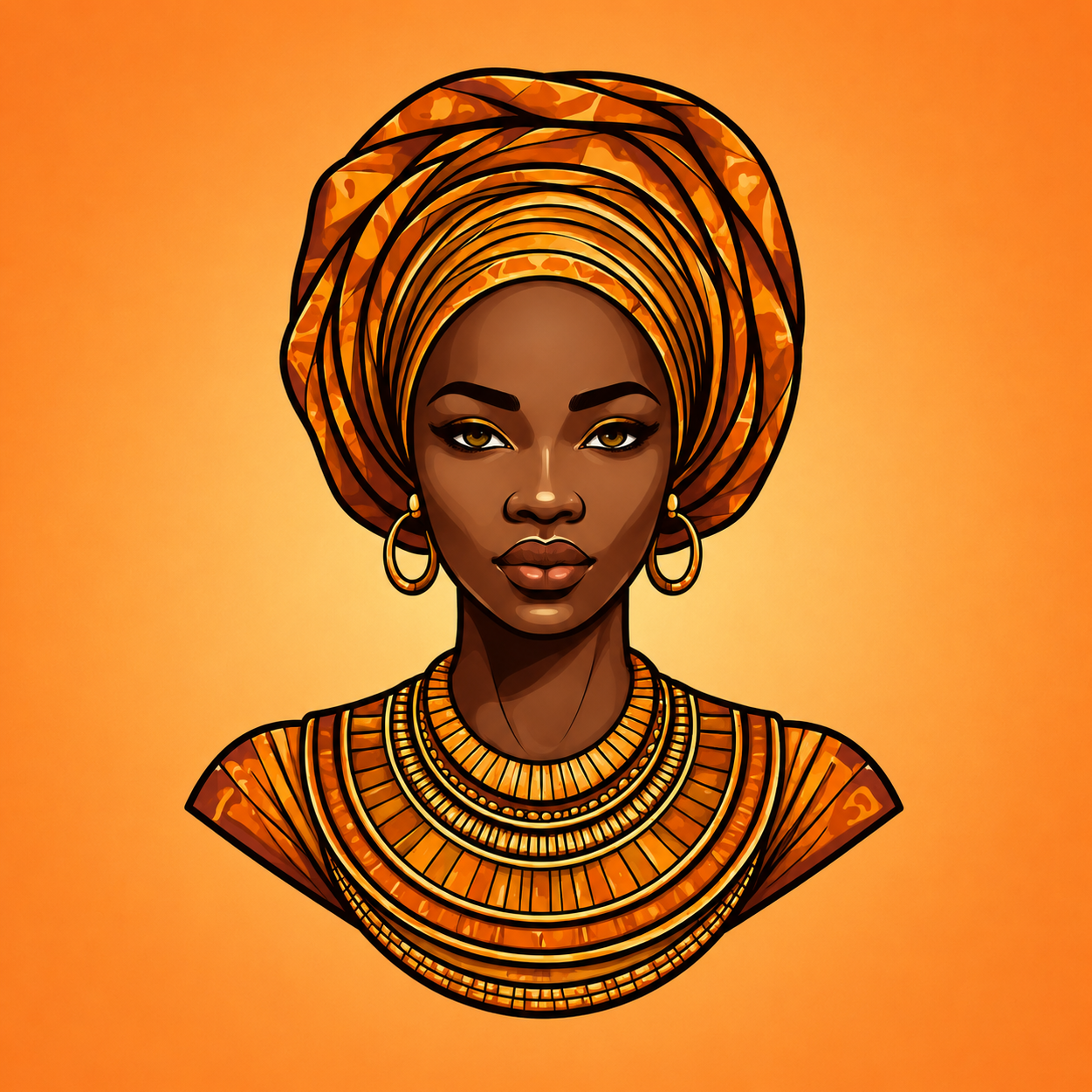
Historically, African necklaces were not mere fashion accessories; they were potent symbols. In many kingdoms across West, Central, and Southern Africa, the elaborate neckpieces worn by chiefs, kings, and spiritual leaders signified immense power, wealth, and authority. The Ashanti kings of Ghana, for example, possessed magnificent gold necklaces, often with intricate lost-wax cast pendants representing proverbs, animals (like the lion or eagle signifying power), or symbolic motifs. These were part of their royal regalia, worn during important state functions and believed to embody the sunsum (spirit) of the office.

Similarly, the Benin Kingdom of Nigeria produced stunning coral bead necklaces for its Oba (king) and high-ranking chiefs. These multi-stranded, heavy coral pieces were symbols of immense prestige, protection, and connection to the spirit world. The weight and complexity of these necklaces often corresponded to the wearer’s rank, making them unmistakable indicators of status.
Beyond royal and political power, necklaces also played crucial roles in spiritual and social life. Maasai necklaces from East Africa, often large, flat, and intricately beaded in vibrant geometric patterns, are a prime example. While we are focusing on West Africa, it is useful to briefly mention them for context of broad African significance before returning to the region. They communicate age set, marital status, and social position. In some West African societies, specific necklaces might be worn for spiritual protection, containing charms or amulets, or might be part of initiation rites, symbolizing a transition to adulthood or a new role within the community.

The materials used in traditional West African necklaces are as diverse as the cultures themselves. Gold, as seen with the Ashanti, was paramount. Silver, brass, and bronze were also widely used, often crafted into intricate filigree, cast pendants, or hammered into bold, sculptural forms. Beads, made from glass (like Ghanaian powder glass beads), shells (cowrie shells often symbolized fertility and wealth), seeds, clay, or precious stones, were meticulously strung and combined to create stunning patterns and textures. The rarity and perceived value of these materials often directly correlated with the wearer’s status.
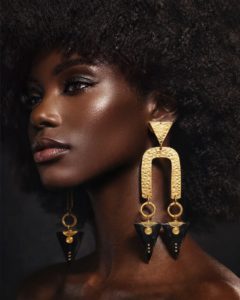
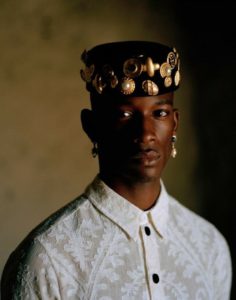
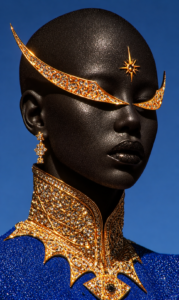
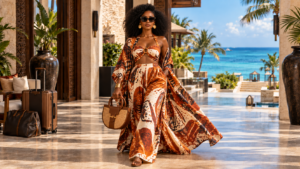
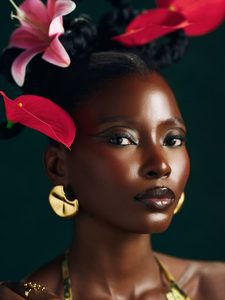
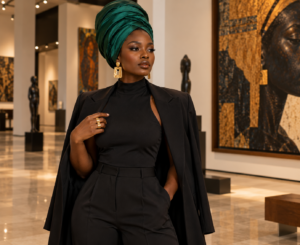
In the modern era, African necklaces have found a powerful new platform on international runways and in contemporary fashion. Designers both on the continent and in the diaspora are drawing inspiration from these rich traditions, reinterpreting ancient forms and motifs into wearable art for a global audience. They might create exaggerated, sculptural neckpieces using reclaimed metals, design minimalist chokers with a single, symbolic cowrie shell, or craft multi-layered necklaces using a blend of traditional beads and modern materials.

This evolution signifies more than just a fashion trend; it’s a powerful reclaiming and celebration of African identity, artistry, and heritage. It allows the intricate stories and profound symbolism embedded in these ancient adornments to resonate with new generations and diverse audiences, ensuring that the visual language of African necklaces continues to speak volumes, connecting wearers to a glorious past while making a bold statement in the present. From the chests of kings to the catwalks of fashion week, the African necklace remains a captivating emblem of culture, beauty, and power.