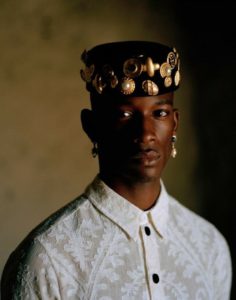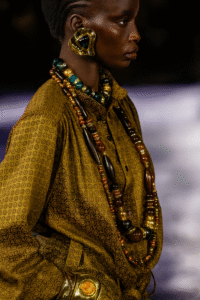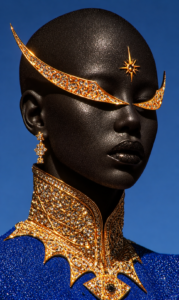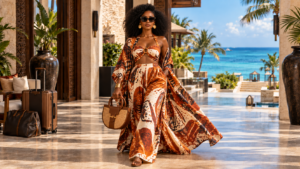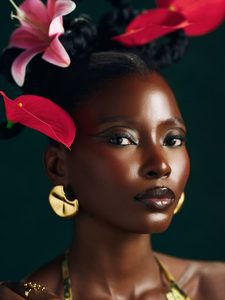
African fashion is experiencing a global renaissance, bold, intentional, unapologetically rooted in culture yet shaped for the modern world. But one of the most powerful elements of this renaissance isn’t the outfits.
It’s the accessories.
From brass cuffs to cowrie belts, beaded bags to woven hats, African accessories have left the category of “traditional wear” and entered a new fashion era: Cultural Chic.
This movement celebrates the everyday use of African adornment, not only for weddings, traditional festivals, or asoebi moments, but for office looks, street style, brunch outfits, and soft-life elegance.
It’s culture for daily living.
Cultural Chic Is About Subtle Storytelling
African accessories have always carried meaning, identity, spirituality, status, beauty, or lineage.
The new wave of Cultural Chic allows people to express these stories without needing a full traditional outfit.
Examples include:
Pairing waist beads with modern bodycon dresses
Wearing a single Maasai-inspired beaded bracelet with jeans and a white shirt
Styling a Tuareg silver pendant with a black slip dress
Using kente scrunchies or Ankara headbands for casual glam
It’s soft, intentional, and deeply expressive.
Minimalist Styling With Big Cultural Impact
One of the biggest myths is that African accessories must be bold and dramatic.
But the truth is, the modern African woman is choosing minimal luxury.
Think:
Slim brass hoop earrings
a single cowrie choker
Raffia clutch with a linen outfit
Adire scarf tied around a handbag handle
This subtle approach allows the accessories to shine without overwhelming the look.
Cultural Chic is the new luxury: simple pieces that whisper power.
Bold Pieces for Statement Moments
When Africans go bold, we go bold.
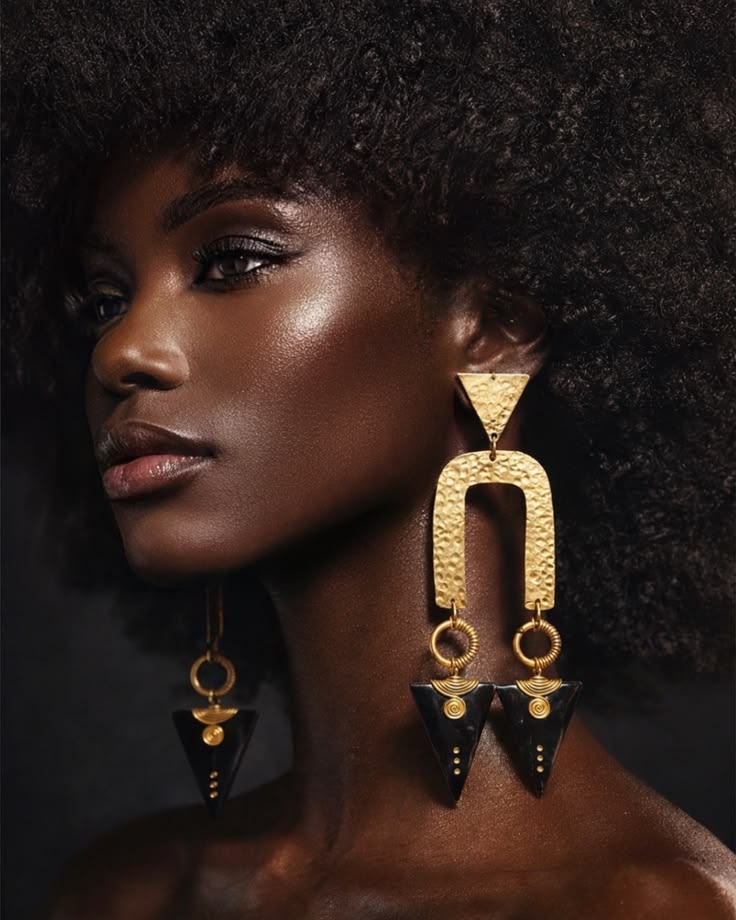
Statement accessories are the heart of African glamour and they’re no longer reserved for full cultural attire.
Examples:
Oversized Fulani earrings with a sleek ponytail
Beaded Zulu chokers layered over a turtleneck
Kenyan brass cuffs stacked with a jumpsuit
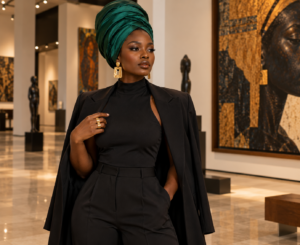
An aso-oke turban with a monochrome outfit
Pair bold items with simple silhouettes to let the accessory carry the spotlight.
The High-Low Formula: Styling Cultural Pieces With Modern Wardrobe Staples
This is one of the most powerful styling strategies today:
Modern outfit + Traditional accessory = Cultural Chic
Examples:
White shirt + Ankara earrings
Blazer + Maasai beaded collar
Slip dress + cowrie anklet
Denim + Fulani metal bracelet
T-shirt dress + woven raffia bag
This is where African street style thrives, effortless, fashionable, and rooted.
The Rise of African Bag Culture
Across the continent, handcrafted bags are becoming everyday luxury pieces.
Current trending styles include:
Ghanaian woven Bolga bags
Nigerian adire tote bags
Moroccan leather handbags
Kenyan sisal bags
Raffia mini-bags from Madagascar
Styled with jeans, tailored pants, or flowy dresses, these bags bring warmth and heritage into daily fashion.
Hair Accessories as Cultural Identity
African hair culture has always been a fashion category of its own.
Today, accessories add a new dimension:
Ankara scrunchies
Beaded hair pins
Cowrie hair charms
Beaded Yoruba-style hair threading
Leather-wrapped braids
These pieces turn everyday hairstyles into cultural statements.
Mixing Accessories From Different African Regions
Cultural Chic is also about pan-African fashion freedom.
A woman can wear:
Ethiopian cross necklace
Tuareg rings
Yoruba beads
Kikoi scarf, all in one look.
It’s not about tribal boundaries; it’s about honoring the continent as a whole.
From Office to Brunch: Everyday Styling Guide
For Work:
Brass studs + structured blazer
Raffia bag + neutral trousers
Adire scarf tied neatly around the neck
For Brunch:
Statement earrings + maxi dress
Colorful beaded bracelets + sandals
For Casual Day Out:
Ankara bucket hat + denim
Cowrie anklet + simple sneakers
For Evening:
Gold tribal choker + satin dress
Minimalist African rings + clutch
Simple, sophisticated, effortless.
Why Cultural Chic Matters
This movement isn’t just fashion.
It’s identity reclamation.
It’s a refusal to shrink African aesthetics to “costume.”
It’s daily visibility.
It’s pride.
Its heritage made wearable.
African accessories are no longer hidden for special occasions, they are integrated into the everyday wardrobe of a global generation proudly claiming who they are.