Taribo Ariaye: A Nigerian Visual Artist Documenting Contemporary African Life

Taribo Ariaye is a multidisciplinary African storyteller whose work moves fluidly across photography, visual art, sculpture, and documentary filmmaking. Rooted in observation and cultural memory, his practice is driven by a deep commitment to telling stories that reflect lived realities, ancestral echoes, and contemporary African identity.
Based in Benin City, one of Nigeria’s most historically rich artistic landscapes. Taribo draws inspiration from place, people, and process. His storytelling transcends medium, positioning art not merely as expression, but as documentation, preservation, and dialogue.
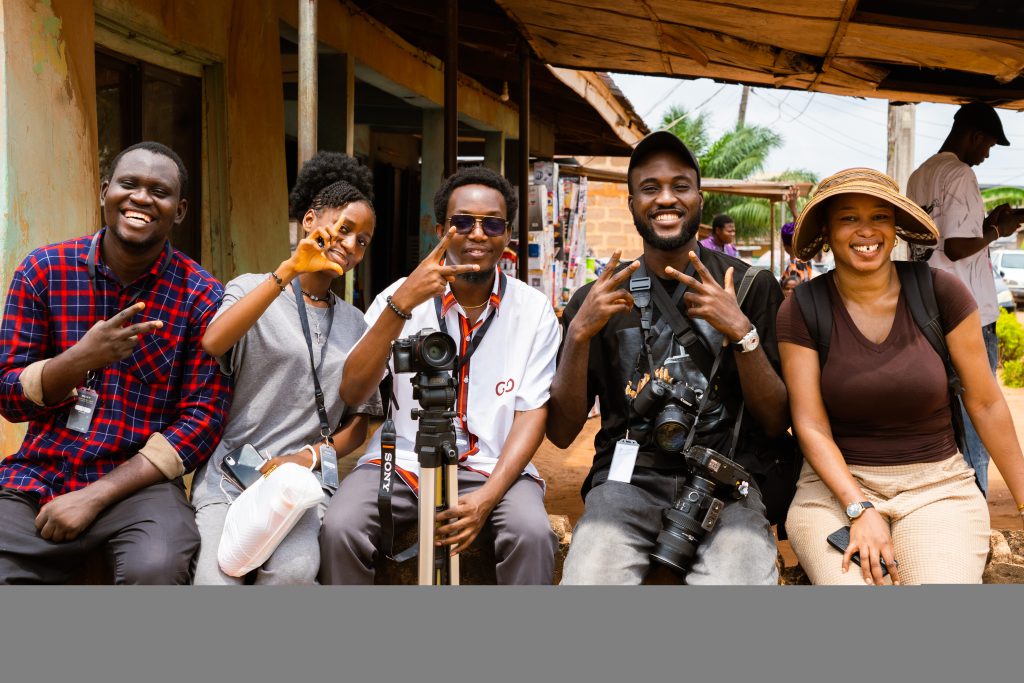
Beyond his individual practice, Taribo is a co-founder of a creative studio and community, actively contributing to the cultivation of a collaborative space where African creatives can experiment, grow, and reclaim narrative ownership. Through both his work and community-building efforts, he continues to shape a visual language that is intentional, grounded, and unapologetically African.
In this Ajoke Brown Media feature, Taribo reflects on his creative journey, the role of community in African storytelling, and the importance of owning our narratives in a rapidly evolving global landscape.Top of Form
You describe yourself as a storyteller working across multiple mediums. In African tradition, storytelling is sacred, how do you see your work continuing or reinterpreting this ancestral role in a modern context?
In many African traditions, storytelling is sacred because it carries memory, values, and lived experience across generations. I see myself as an ancestor in training, and with that comes a responsibility to leave footprints behind for those who will come after me.
I believe the best way to do this is by preserving authentic stories. Through photography, film, illustration, and digital art, my work becomes a form of future archive, a link between the past, the present, and the future. These stories are not only records of what is happening now, but guides for anyone who may one day need direction.
In a modern context, my practice continues the ancestral role of storytelling by using contemporary tools to hold cultural memory, lived realities, and quiet truths. I am telling stories that can be returned to, stories that remind us where we come from, where we are, and how we move forward.
How has growing up in Nigeria, and specifically being based in Benin City with its deep artistic and historical legacy, shaped your visual language and creative philosophy?
Being based in Benin City, the ancient city, had an even stronger influence on my visual language. Benin holds generations of stories preserved through bronze casting, wood carving, plaques, and oral traditions. The depth of these histories can be compared to mythologies like those of ancient Greece, not because they are distant, but because they are powerful, symbolic, and enduring. I was privileged to attend a secondary school where ancestral stories were passed down orally by my art and Edo language teachers, and this was where my connection to storytelling truly began. In addition, my sister, who is an artist, is married to the renowned artist El-Dragg Leonard Okwoju at the University of Benin, Ekenwan Campus. Because of this, I was visiting the campus from a very young age, observing studios, artworks, and creative processes simply by being present, even as an engineering student. These early exposures shaped my eye, my sense of precision, and my respect for process.Together, these experiences continue to shape how I work, with close observation, cultural awareness, and a strong commitment to preserving memory through contemporary visual storytelling.
Across photography, sculpture, and documentary film, what stories do you feel are most urgent for Africans to tell for themselves today and why?
I would say all stories are urgent. Because whenever we leave our stories untold, we leave them in the hands of others and that is where distortion, erasure, or a single perspective takes over. Chimamanda Ngozi Adichie calls this the danger of a single story. There’s also a saying: the hunter will always appear victorious until the antelope learns how to tell its own story. For Africans today, the most urgent work is ensuring that our experiences, histories, joys, struggles, and truths are told by us, in our own voices. Every story matters, because leaving even one untold risks allowing others to define us, rather than us defining ourselves.
Many African artists create at the intersection of memory, identity, and resistance. What themes keep resurfacing in your work, even when you’re not consciously pursuing them?
To me, all three go together. Work created for the purpose of memory shows identity of the person, place, or object the story is about and at the same time acts as a map, a stronghold against any other narrative, which is resistance.
In general, my work tends to focus on memories, while naturally creating links with identity and resistance. Even when I’m not consciously pursuing these themes, they keep surfacing because they are at the heart of all the stories I want to preserve and share.
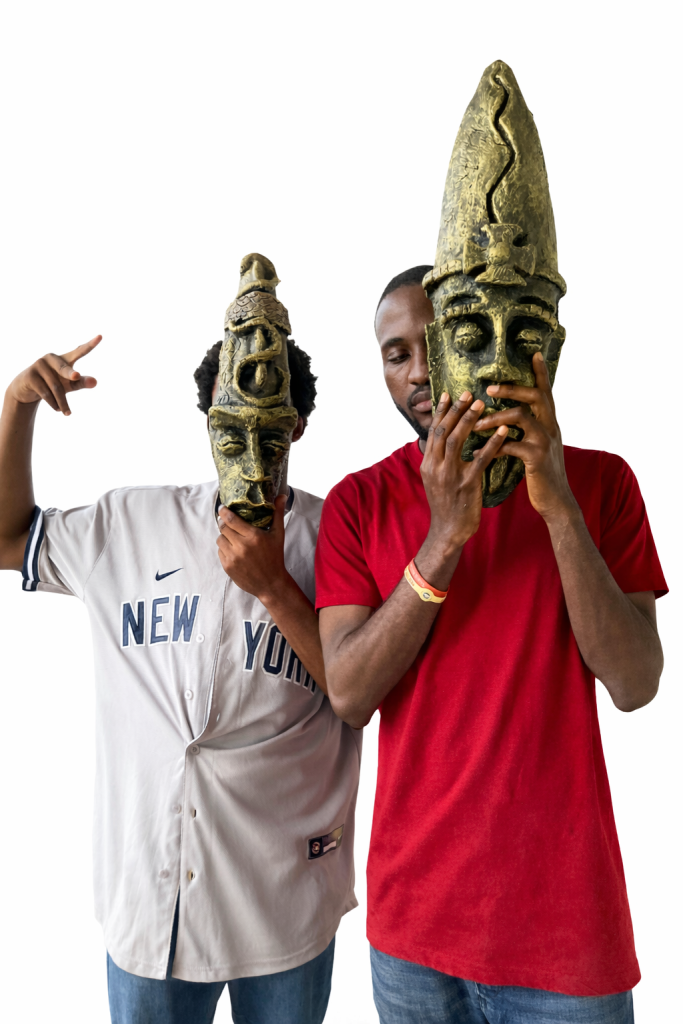
As a co-founder of a creative studio/community, how do you balance individual artistic expression with collective growth and cultural responsibility?
It’s actually quite easy, because we’re working toward the same goal: to tell authentic stories. Whether it’s personal or collective, the approach is the same for me.
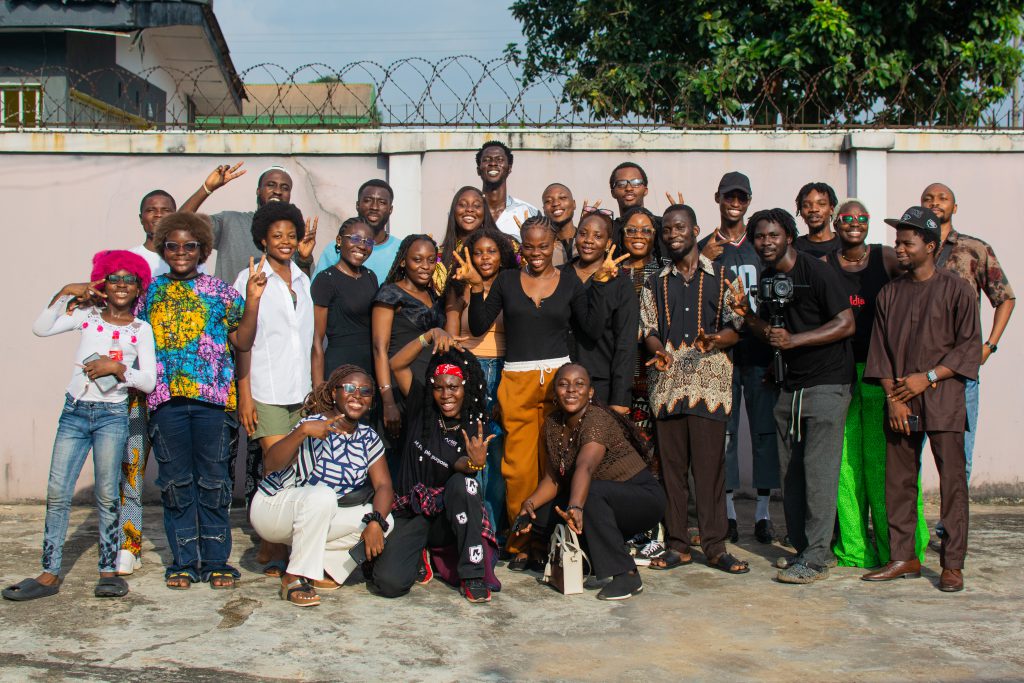
The reason Hue Create was co-founded is simple, I realized the fastest way to learn and grow is when you have something to show or teach. The studio exists as a space for sharing, collaboration, and collective growth.
There are times when I want to be in my own space and create, and that’s important too. But I’ve learned that while you can go fast alone, you go far when others walk with you. Balancing individual expression with collective growth means honoring both, nurturing personal creativity while building a community that moves forward together.
In a world where African stories are often filtered through external lenses, how intentional are you about ownership, authorship, and narrative control in your work?
Through proper documentation, I have learned the dangers of telling only surface stories. I make it a point to research, ask questions, meet elders, speak to different voices, and listen to both the yes and the no. Ownership, authorship, and narrative control are intentional in my work. I want the stories I tell to reflect the complexity and truth of the people, communities, and histories I engage with, not a single perspective imposed from outside.
Your practice spans both traditional and contemporary mediums. How do you navigate the tension or harmony between ancestral forms of expression and modern artistic tools?
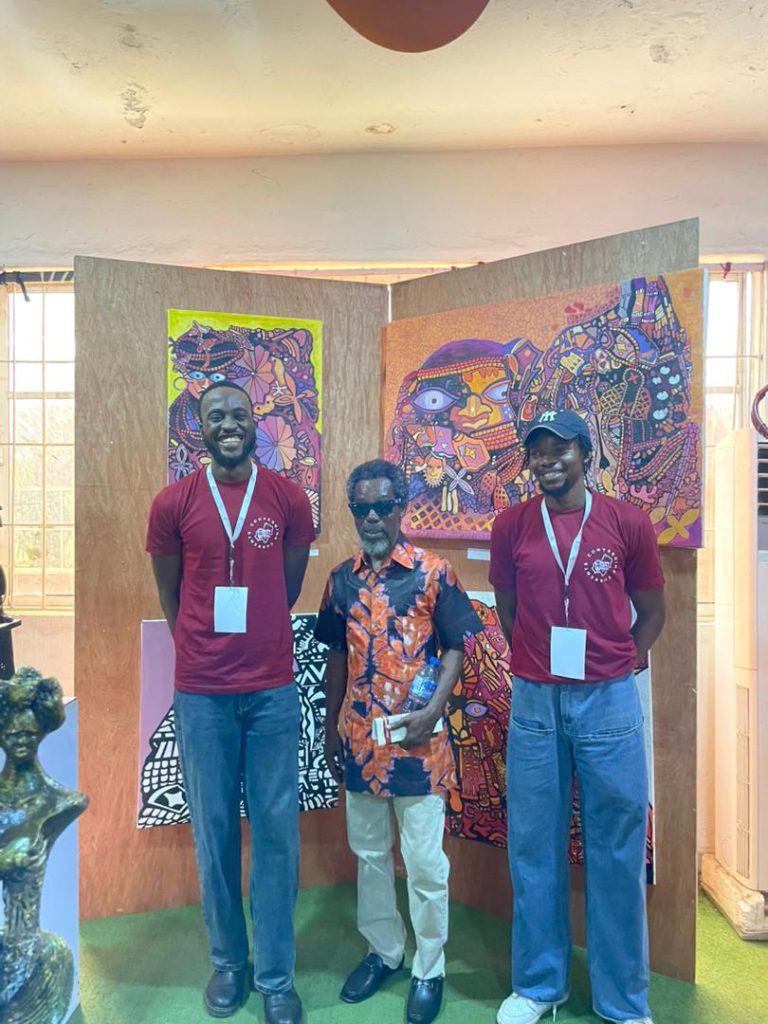
I was part of a workshop program under the Goethe-Institut’s connecting the Dots initiative, working with museums across Nigeria. The aim was to find ways to connect the present generation with ancestral stories. For me, the answer was to bring these stories into a language the younger generation understands. In my recent work exhibited at the National Museum, ancient stories were told in ways that allowed viewers to scan the artworks with their phones and uncover hidden narratives. Using augmented reality, viewers could interact with these stories through modern tools like smartphones and apps such as Snapchat.
This approach allows ancestral forms of expression and contemporary technology to exist in harmony, honoring tradition while speaking directly to the present.
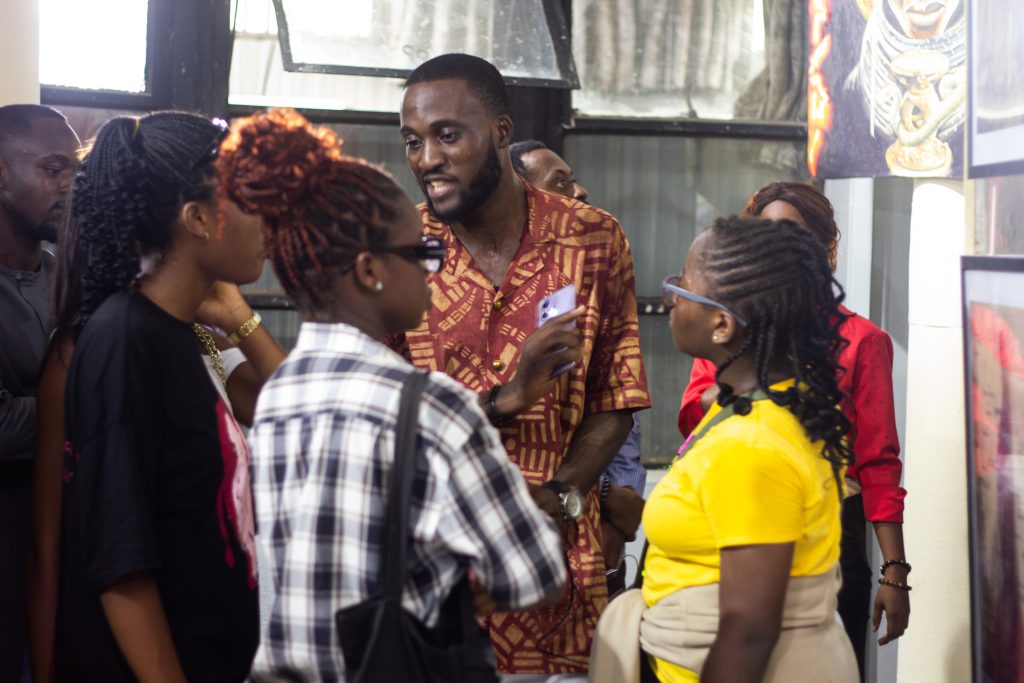
What role do you believe art and visual storytelling play in healing, reclaiming identity, and re-educating younger generations of Africans?
Art and visual storytelling play a vital role in healing, reclaiming identity, and re-educating younger generations. Those who cannot remember the past are condemned to repeat it, and through art, we create roadmaps that help younger generations learn from history instead of repeating its mistakes.There is also an aura that comes with knowing where you come from, a sense of identity I am still exploring myself. The best way to pass this on is through the small stories left behind by previous generations. Each story carries memory, lessons, and truth, helping younger Africans understand themselves, heal inherited wounds, and see the world through their own cultural lens.
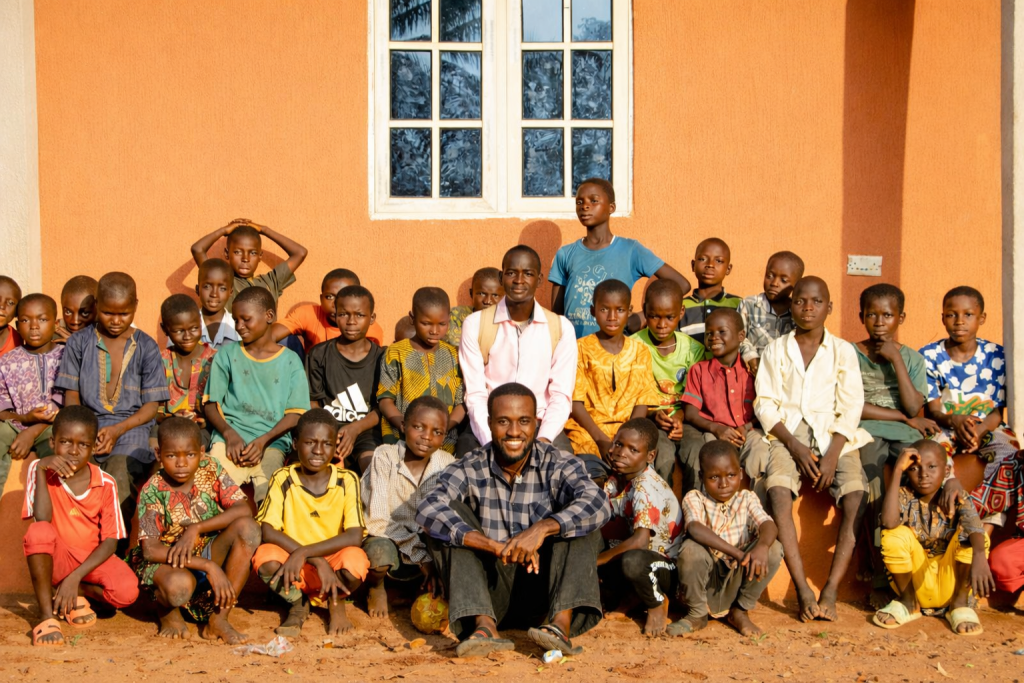
Can you share a project that challenged your sense of self or forced you to confront uncomfortable truths about culture, society, or history?”
A project that truly challenged my sense of self was Reflection: Stories around Me. I volunteered with an NGO to document the human-centered stories they encounter daily, and through this work, I witnessed lives shaped by resilience, struggle, and survival.
One example is Osamuyi Andrew, a survivor of a fire caused by adulterated kerosene. The incident left him with severe burns and physical challenges, yet he continues to fend for himself with remarkable strength. Another is Bala David, a survivor of the Boko Haram insurgency in 2014, which rendered him homeless. He found refuge in an IDP camp in Benin City and is currently in his first year studying medicine at the University of Benin, while completing the final year of his first degree in anatomy.
These stories forced me to confront systemic failures, human suffering, and resilience at once. They reshaped my understanding of responsibility as a storyteller, reminding me that storytelling is not just documentation, but an act of honoring dignity, strength, and humanity.
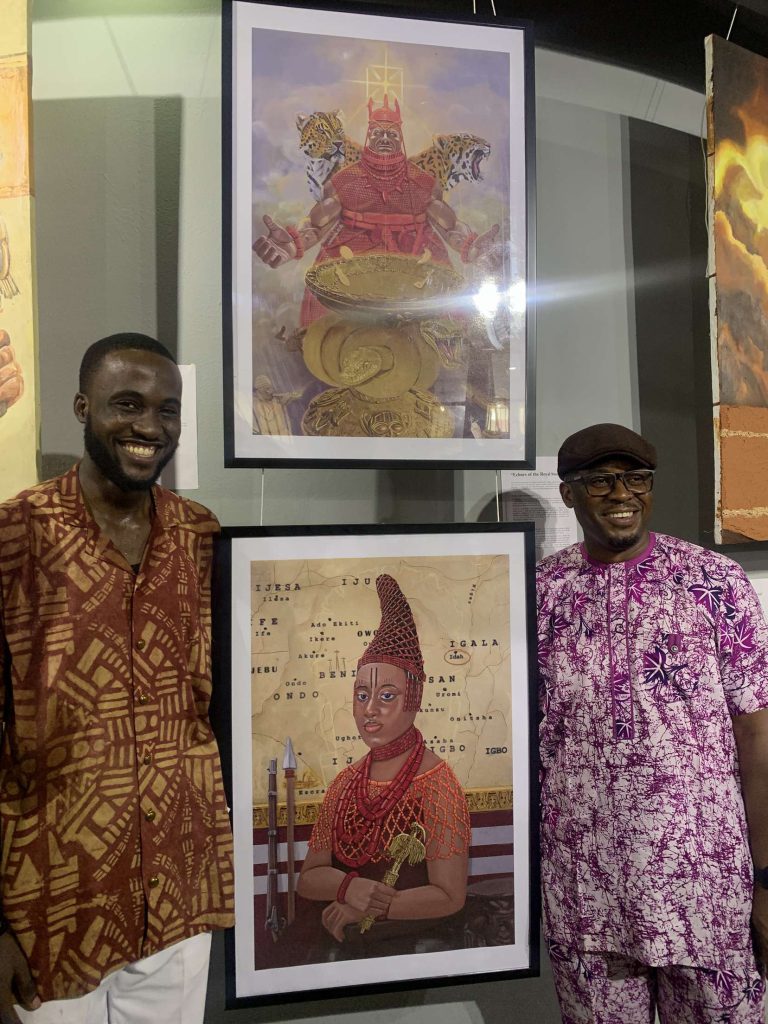
Looking ahead, what legacy do you hope your storytelling leaves, not just for audiences, but for the creative community you’re helping build in Benin City and beyond?
For audiences, I hope my work leaves behind stories that future generations can return to, stories that help them understand the past, navigate the present, and find direction for the future. For the creative community in Benin City and beyond, I hope to leave a legacy of shared stories, shared vision, and collaboration. It takes many trees to build a forest. I want my work to encourage others to tell their own stories, preserve their histories, and create spaces where voices are nurtured and passed on. Storytelling is not a solo act; it’s a collective responsibility. When we all contribute