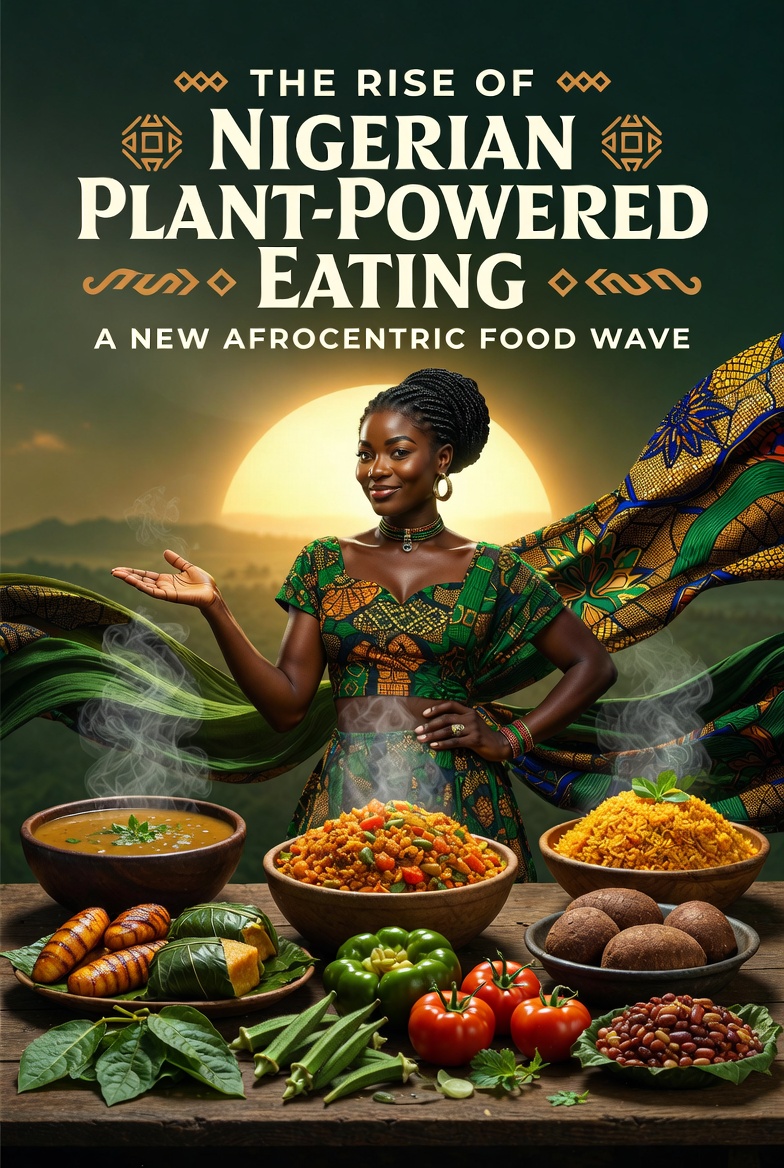
The Rise of Nigerian Plant-Powered Eating: A New Afrocentric Food Wave
Signature: oJwH5qu5pUg37ibi6A6fWfwxJe1Us33x/t4TiNIgKy+NP+9Yw/g4Set0nqoLsSNxsgYqvMbmTpWQPqNDY1zRKJb2ACuDDsPqHK+ukY0+qtfLbkRQfAcu5iYk5TQEglgDM/Lhg91me1UVvZG4ujNNx1R04DGuimf3Y0QvSwgeApQLMH54ZwWB30hTv+mnfJ4uuSrVjxtMKhg5xZRGb9+dYmRvi+cUI9WDtTG+m3Y3bxn3M/5pugxiRCGXMMWaH7+PRFWR7FYoSh9TVTk0Eq5fmzkYG89jRXd+e2Q2MGp1nDrXGx/PHoxX88tfOrKVdJuKLyS7KHtK/sRA+GQGfYOulSp3Lpa/QCLn2fNWQEg+tyPjxJQMQBMs4mLyDt6NI59Kv68rsG7TDopZS0zcNOiQT9McLMbWyoQeFHqnGfrDdnggchhUEG8S1pgiWxsUaM/7c1affT1VoTbIiAplk6pZadks+YQEEfXpgez7KWg6rk/k7LTIeezBA5d0cCqkPyCLWdUgWljPMOMwz+z7uVlnIf1Rq4vvlfbEMAHoeo6zCtrsaH5fKlHMLLAOHdmizMN/rXywvn3Y4gEyWQQxpy8DNHzG2jyig32OJAHir1rvJ5n74FskRhFmmddxkcLAXSV/zLHZPahDjg/BWPzCX0vRF9/5dGVnWIqTGTxu0qYctv4bSpTic4cipUsS6LBOOjx6jBWJ5iQMJ2xZ+zwyIt3MGvINMOqPVmIM6uW98fMciGHlsoLoChtIlHo0hvlq/b8ImmU34Mj8q8KEL4tEqJWlpK3XlBZOYbodv/OzixC+LG0axt1hbjdIoTlLy/TUE+O7e5+ZB1jWC3+dlzpmcGD853VIXbGId6XmmqMMOeTNl2Zw8afTQKjR+qLm+3Ua1sgSM8AcK/UuQZ5qze82zH+pBvvjWKB4Odq34htR0fQsFjj83KPjSN1OZ2orUjP103maBSi4yPUOdX2VZHYuIRHuVXAQVvzXqzkGF/ZVZrVJtRA=
Across kitchens, restaurants, and street food stalls in Nigeria, a quiet but powerful shift is happening. More people, millennials, Gen Z, health lovers, food adventurers, and even traditional foodies are embracing plant-powered Nigerian eating. It’s not a trend imported from abroad; it’s a rediscovery of something deeply ours.
For generations, our ancestors thrived on vibrant, plant-rich meals: grains, vegetables, legumes, roots, fruits, herbs, spices. Nigerian cuisine has always been naturally nutritious. So this “new wave” is really a return to heritage, packaged with modern flair.
A Return to Rooted Eating
Before processed foods and imported ingredients became mainstream, Nigerian diets were dominantly plant-based:
Beans and legumes
Yams, potatoes, cocoyam
Plantain and banana varieties
Nuts and seeds
Millet, sorghum, ofada rice
Leafy greens like ewedu, ugwu, bitter leaf, waterleaf
Indigenous fruits like agbalumo, guava, mango, pawpaw, tigernut
This resurgence is more than a food choice—it’s a cultural reconnection.
Modern Nigerian Plant-Based Plates to Love
Today’s plant-powered Nigerian cooking is colourful, creative, and extremely flavourful. Some dishes dominating the new conversation:
Smoky Vegan Jollof with Vegetable Umami
Cooked in bell pepper–tatashe base, layered with grilled mushrooms, caramelised onions, and charred peppers for that authentic party depth.
Ofada Sauce without Animal Fat
A blend of green peppers, iru, tomatoes and caramelised onions—finished with plant oils. Still spicy, smoky, unforgettable.
Efo Riro Reinvented
Packed with mushrooms, tofu chunks (optional), garden eggs, and palm oil–infused flavour.
Bean-based Delights
Akara, moi-moi, gbegiri—now paired with roasted plantains, sweet potatoes or millet bowls.
Tigernut, Coconut and Date Fusion Drinks
Creamy, rich, lactose-free, nutrient-packed. Sold everywhere from Lekki to Ibadan.
Why Nigerians Are Choosing Plant-Powered Eating
Health Awareness is rising
Young Nigerians are exploring wellness, fitness, and longevity through food.
Afrocentric Pride
There’s a shift toward celebrating and modernizing traditional Nigerian ingredients.
Better Skin, Better Energy
Plant-forward eating often boosts digestion, energy levels and skin glow.
Cost-Friendly Options
With food prices rising, plant-powered meals often stretch further and offer better value.
The New Food Entrepreneurs Leading the Charge
Across Lagos, Abuja, Port Harcourt, Ibadan, and online:
Vegan and plant-forward restaurants are popping up
Traditional chefs are offering plant-based options
Food bloggers are showcasing healthier Nigerian plates
Small businesses are producing local plant milks, spice blends, and dried vegetables
This movement is creating a new economy, driven by creativity and culture.
Afrocentric Food Influence Goes Global
Diaspora chef, from London to Atlanta, Toronto to Johannesburg are introducing the world to:
Vegan suya
Palm-oil stews
Plantain innovations
Millet and sorghum porridges
Mushroom “meats” with Nigerian spice profiles
Nigerian plant-powered cuisine is becoming a global conversation.