Modern Trends in Nigerian Cuisine
Nigerian cuisine, while deeply rooted in tradition, is far from static. It is a living, breathing entity that is constantly adapting, experimenting, and gaining new expressions. This evolution is driven by several factors, including increased global exposure, a burgeoning middle class, a demand for healthier options, and the creativity of a new wave of culinary talents.
Fine Dining and Elevated Traditional Cuisine
Restaurant Renaissance: High-end restaurants in cities like Lagos and Abuja are taking traditional Nigerian dishes and elevating them through refined techniques, sophisticated plating, and premium ingredients. This includes deconstructed Jollof Rice, gourmet Egusi soup, and artfully presented seafood.
Afro-Fusion: Chefs are boldly blending Nigerian flavors with international culinary styles (e.g., Asian, European, American), creating exciting fusion dishes that appeal to diverse palates. Think plantain gnocchi, suya-spiced burgers, or yam puree with a delicate sauce.
Health and Wellness Focus:
Healthier Interpretations: A growing demand for healthier options has led to lighter versions of classic dishes, reduced reliance on excessive oil, and an emphasis on fresh, organic ingredients.
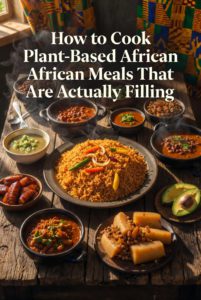
Plant-Based Nigerian: While many traditional Nigerian meals are already plant-heavy, there’s a rising interest in explicitly vegan and vegetarian Nigerian cuisine, with restaurants and food blogs offering innovative meat-free versions of popular soups and stews.
Superfood Spotlight: Increased awareness of the nutritional benefits of indigenous ingredients like moringa, tiger nuts, and certain leafy greens, leading to their inclusion in modern recipes and healthy drinks.
Global Reach and Digital Influence
Diaspora Impact: Nigerian chefs and food entrepreneurs in the diaspora are opening acclaimed restaurants, publishing cookbooks, and participating in global culinary events, significantly raising the profile of Nigerian cuisine worldwide.
Social Media Power: Instagram, YouTube, TikTok, and food blogs have become powerful platforms for showcasing Nigerian food. Food bloggers and influencers share recipes, cooking demonstrations, and dining experiences, reaching a global audience and inspiring home cooks and professional chefs alike.
Culinary Tourism: Nigeria is increasingly becoming a destination for food tourism, with guided culinary tours, cooking classes, and immersive dining experiences designed for international visitors.
Innovation in Presentation and Packaging:
Modern Packaging: A shift towards aesthetically pleasing and convenient packaging for street food, ready-made meals, and artisanal Nigerian products.
Creative Plating: Dishes are no longer just about taste; visual appeal and presentation are becoming increasingly important, reflecting global fine-dining standards.
Sustainable and Local Sourcing:
Farm-to-Table Movement: A renewed emphasis on direct sourcing from local farmers, supporting sustainable agriculture and ensuring fresh, high-quality ingredients.
Rediscovery of Indigenous Crops: A push to revive and popularize lesser-known indigenous crops, promoting biodiversity and food security.
“The Evolving Plate” demonstrates that Nigerian cuisine is not just preserving its rich past but actively shaping a dynamic and globally resonant future. It’s a testament to the creativity and entrepreneurial spirit of Nigerian culinary professionals who are taking their beloved food to new heights while firmly rooted in authenticity.