Challenging Toxic Masculinity: Why Speaking Against Misogyny Comes at a Cost
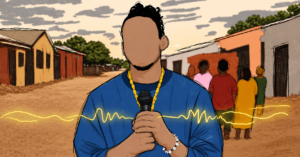
His bio does not negotiate. It declares: “I am the weapon fashioned against misogynistic men.” The statement alone has earned him criticism, hostility, and threats. Some call him brave. Others call him performative, many call him dangerous, not because he harms, but because he disrupts, and disruption unsettles power.
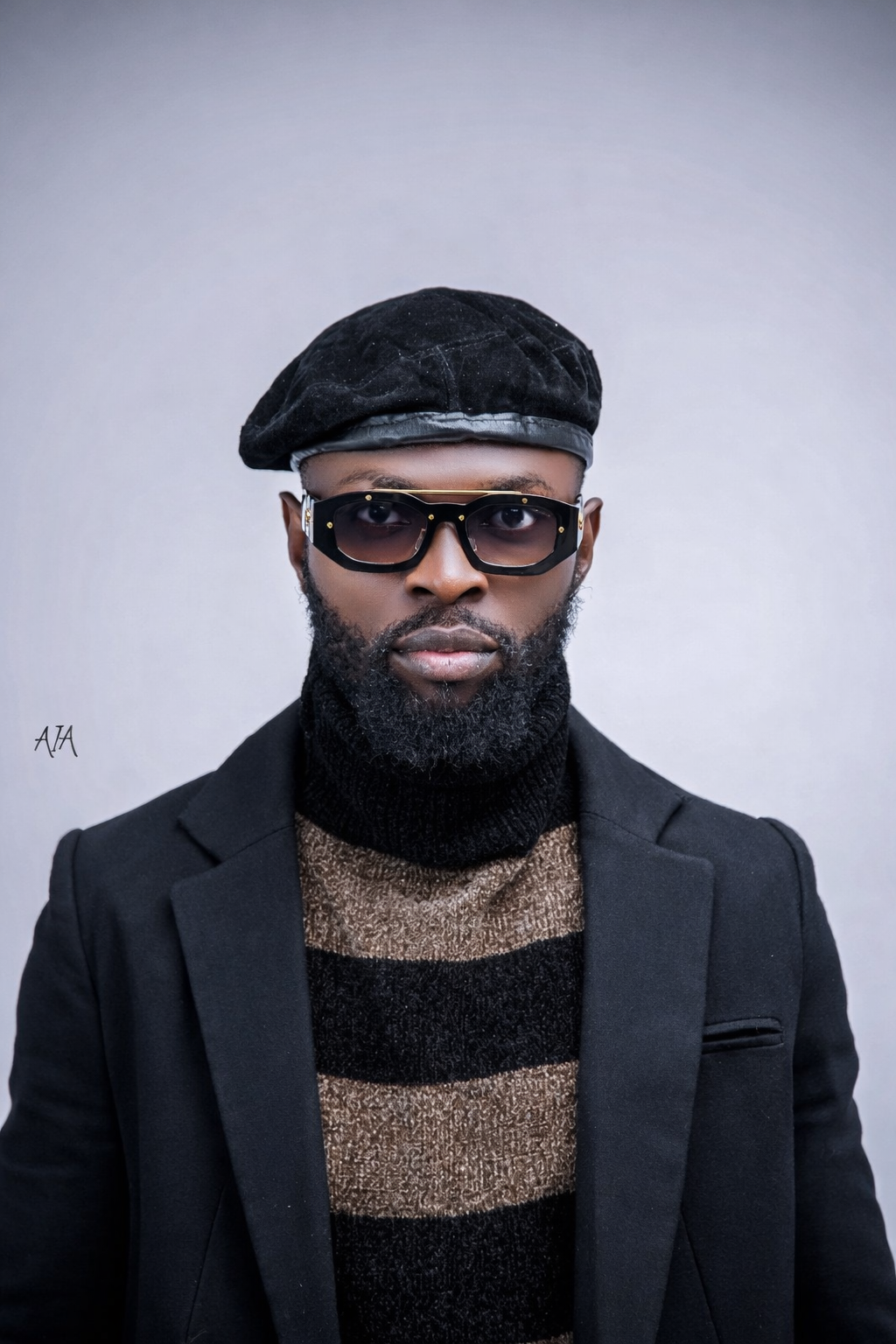
Let’s say it plainly: misogyny survives because men protect it. Not all men practice it, but too many excuse it, too many laugh at it, too many stay silent when it is convenient and in that silence, misogyny thrives. In a culture where “bro code” often outweighs accountability, calling out harmful behavior can feel like betrayal. For a man to publicly confront misogyny is to step outside the comfort of male loyalty and into the fire of backlash, Milan Samuel Chukwu does exactly that.
His bio does not negotiate. It declares: “I am the weapon fashioned against misogynistic men.” The statement alone has earned him criticism, hostility, and threats. Some call him brave. Others call him performative, many call him dangerous, not because he harms, but because he disrupts, and disruption unsettles power.
In a digital era where misogyny is often disguised as culture, humor, or “hard truth,” silence has become one of patriarchy’s most loyal allies, Group chats excuse it, Algorithms reward it, entire audiences defend it. In societies where masculinity has long been tied to dominance, control, and unquestioned authority, what happens when a man refuses to play by those rules? What happens when he tells other men that silence is complicity? To publicly confront misogyny as a man is to challenge not only individuals but systems, brotherhood codes, cultural conditioning and deeply rooted definitions of masculinity. The backlash is inevitable, the criticism is loud, the threats are real. Yet, the question remains: What does it truly cost a man to hold other men accountable?
This Ajoke Brown Media feature is not about comfort, it is about confrontation, it is about what it costs to challenge patriarchy from within and it is about whether masculinity can survive accountability, or whether accountability is the very thing that will redefine it, because when men start questioning power, the system listens, and sometimes, it fights back.
What was the defining moment that made you decide to publicly stand against misogyny as a man?
Okay, one day I was on my livestream, a man came up on the box and told me that a man can cheat on his wife and still love her, even without being too aware of the misogyny that is ravaging us as men, the statement didn’t sit well with me, after challenging him I went ahead to investigate other men and discovered 9 out of 10 of them believe the statement to be true and it dawned on me that someone has to correct these narratives because silence will make me complicit, I saw how misogyny was excused as culture, religion, or “just how men are,” and I understood that if men don’t challenge it, it survives comfortably, the bottom line is that I didn’t want to be neutral in a system that harms women and in a way harms men too.
Your bio reads: “I am the weapon fashioned against misogynistic men.” That is a bold declaration. What inspired that language?
When I started calling men out and holding them accountable, I discovered they violently attack me in the comments and on my livestream, some even threaten to kill me when they find me, at a point it felt like they were restless, and the good news is some of them actually learn and come to me to testify in my ‘DM’, so it just sits right that my message is hard on them and it’s either changing them or riling them up so the name just fits, Misogyny thrives because it is defended by men and ignored by men. I wanted to send a message that I am not neutral, I am not polite about injustice, A “weapon” is not violence, it is disruption, it is truth spoken where lies are comfortable, It is me calling men back to humanity instead of entitlement.
What does being a “weapon” mean to you, resistance, accountability, disruption, protection?
Being a “weapon” is me holding them accountable and even though they resist, I don’t care, I still call them out. This is me using my voice in spaces where women are dismissed and making it harder for misogyny to hide behind jokes or tradition.
As a man publicly confronting misogyny, what has surprised you most about the reaction from other men? Is it hostility? Silence? Secret support?
What has surprised me the most is the hostility, I was raised to be open minded and even when I don’t agree with someone I don’t attack them, but the way I get attacked by these men is shocking, I thought men were big on accountability than women, one time a man came on my live stream and said he’d be the one to kill me, you can imagine. And yes, I get secret support from other men, but that was expected, I expect more men to listen, unlearn and relearn, but the contradiction, the public hostility, some insult me openly, then message me privately saying, “You’re right but I can’t say this.” And that has taught me how deeply fear governs male spaces. Silence is safer than integrity.
Some critics argue that male feminists are performative, chasing clout or seeking validation from women. How do you respond to that narrative?
Firstly, I don’t see myself as a feminist, I see myself more as an ally to the movement , I am not a woman so I cannot fully understand what women go through because my male privilege as a man will always be there whether I like it or not, even when I don’t intentionally ride on it , it will always be there, so, I’m not a feminist, and about me being performative or chasing clout, I usually don’t pay attention to them, I let the work do the talking, for more than a year they’ve been waiting for me to fail so they can call me names and prove their idea about me, which has helped me stay consistent, knowing I have a lot of people to prove wrong about me and push the idea of unlearning misogyny has been a motivator and not a discouragement. For more than a year now I’m still on it because to me this is not a game, it has become a lifestyle, my passion is focused on helping young men unlearn these harmful beliefs we were given without questions. So I don’t waste my time trying to prove my truth, I just live it through my works online, I don’t benefit socially from challenging men in a patriarchal culture, as a matter of fact it costs me comfort, approval, and sometimes safety, If my only motivation were clout, I would choose silence. Feminism is not about looking good to women, it’s about refusing to benefit from women’s suffering.
What conversations about masculinity are Nigerian/African men not ready to have but desperately need to?
The most important conversation about masculinity Nigerian/ African men are not ready to have is when it is centered around being expressive, I try to let them know that control is not leadership, that emotional suppression is not strength, that being feared because we are violent is not the same as being respected, a lot of them don’t see the misconceptions in that because they don’t want to have that conversation, they believe everything they were told as boys.
Do you think patriarchy harms men too? If so, how do you help men see that dismantling misogyny benefits them as well?
Patriarchy harms men 100% and many times I’ve tried to make them see it, patriarchy put a lot of pressure on us as men and many of the things we hold on to are social construct that has conditioned us to live miserably , patriarchy teaches men that emotions are weakness, that vulnerability is shame, and dominance is identity, It turns men into guards of a prison they also live in, I help men see this by showing them that healthier relationships, emotional freedom, and self-worth are not enemies of masculinity, they are its maturity, for example, a man is told that he’s the provider, believe me when I tell you that there are men out there who believe that when their wives earn more than them it makes them feel less of a man why, because the patriarchy told them that it is their job to go out and work to earn wages and come back home to their wives who will do every other thing for them, like cooking, cleaning , childbirth and nurturing, all those domestic unpaid labors, so anything outside that default settings makes them feel less of a man, but if you check it properly, that is your partner and them earning more than you doesn’t make you less of a man but adds strength to the family. And this is the reason a lot of them don’t want to be with a financially independent woman, they believe it is outside the norms, and again notice how men act when they lose a task to a woman? Instead of seeing it as just losing to a fellow human being they see themselves as failures, but it’s not the same when they lose to their fellow men, so patriarchy harms men 100%. And in other to help them , I teach them that partnership with a woman benefits them more than trying to confine, subject and dominate these women.
What role should male allies play in feminist spaces without overpowering or centering themselves?
I see my presence as supportive and not symbolic, I don’t look at what I do to be anything special, if anything at all, I am just trying to be a decent human being which is what every one of us should be man or woman. I always try to remember that it’s not about me speaking louder, it’s about me listening better and using whatever platform I find myself to reinforce women’s voices, not replace them. My responsibility is to redirect attention back to women’s experiences, struggles, and leadership, and to interrogate how men benefit from systems that harm them. If I’m here, it should be to talk about accountability, not applause, I want to support and not be centered, I always want to amplify and not override, I listen more than I even lecture, our job is not to be heroes but to remove harm, Feminism does not need male saviors it needs male accountability which is what I am after.
Many men stay silent when other men are harmful. Why do you think accountability feels so threatening within male spaces?
Why I feel accountability feels threatening in male spaces is because many of them cannot bring themselves to letting go of the power the patriarchy has given to them, taking accountability and calling out their peers feels like betrayal but real brotherhood is not when you cover harm for your brother but when you correct them.
Many people believe feminism is anti-men. As a male feminist, how do you redefine feminism in conversations with skeptical audiences?
Again, I don’t see myself as a feminist, I don’t go by that label, but Feminism is not hatred of men, it is refusal to excuse harm, it is the belief that women are full human beings, not subordinate ones, not an extension of a man, if equality feels like oppression, then privilege is being mistaken for normal.
Masculinity in many African contexts is tied to dominance and control. What does healthy masculinity look like to you?
Healthy masculinity for me looks like emotional literacy, emotional intelligence and emotional maturity. It looks like strength without cruelty, partnership without domination and protection without possession, it look like a man who can apologize, listen, and grow.
How do you handle threats especially when activism shifts from online disagreement to real-life intimidation? At what point does activism become dangerous and how do you navigate that reality?
I handle the threats by taking them seriously and at the same time not letting fear dictate silence, recently someone threatened to kill me or a member of my family, and this is why I don’t bring any member of my family online, aside the people who know me off social media, you can check my socials, you’d never find any member of my family. Activism becomes dangerous when truth challenges power and I understand that, I navigate it with community, caution, and clarity of purpose, fear is real, but so is the cost of quiet. So I’ll rather be careful while doing the work than stay silent out of fear, I mean, why stay quiet when I can be careful right?
Have you ever felt isolated in male spaces because of your stance? How do you maintain community?
Yes, Isolation is part of what I get for publicly refusing to go with what is wrong, I get dragged by a lot of men on social media and it will interest you to know that even women drag me too for it and they refuse me also from their spaces, but I understand why both the men and women do it, I don’t hold it against any of them. So I maintain my community by building spaces rooted in shared values rather than shared ego, I choose relationships based on character, not conformity, as a matter of fact I have a community of young progressive men where we discuss these challenges every Mondays and Tuesdays on my live stream. And my goal is to create a community where men would be able to express themselves, take accountability and have our own language like the feminist community do, I want men to feel safe living their truth, we don’t discriminate and we don’t judge.
What responsibility do influential men, celebrities, pastors, politicians have in dismantling misogyny?
A lot of responsibility, pastors, politicians and celebrities shape moral imagination and the Silence from them has become permission, over the year we’ve seen how many of them go quiet when matters like this arises. Their words can normalize equality or sanctify abuse, neutrality from power is violence in disguise and many of them don’t see that, just because they don’t talk about it doesn’t mean they are innocent, silence is complicity and there’s no room for neutrality.
If you could speak directly to young boys watching you, what would you tell them about power, empathy, and how to treat women?
If I have young boys listening to me right now, I will tell them that POWER is not control but a responsibility. I will tell them that EMPATHY is not weakness but intelligence.
I will tell them that WOMEN are not lessons or rewards but that they are human beings and how you treat them is how the world will remember your character.
Facebook – Milan Samuel Chukwu Instagram – Iam_hybridsoulja TikTok – Hybridsouljaa