African Festivals and Shared Cultural Heritage
Celebrating Diversity through African festivals is a vibrant attestation to the continent’s rich and multifaceted cultural heritage, where communities come alive in a kaleidoscope of color, sound, and movement. These diverse festivals serve as vital platforms for cultural expression, identity reinforcement, social cohesion, and the joyous celebration of shared heritage, often transcending ethnic or religious boundaries.
Africa is home to thousands of distinct ethnic groups, each with its own unique traditions, languages, and cultural expressions. This incredible diversity is vividly displayed during its numerous festivals, which are often tied to agricultural cycles (harvests), religious calendars (Christian, Islamic, Traditional), historical events, or rites of passage. While specific rituals vary, the underlying spirit of communal celebration and cultural affirmation is universal.
Key Elements of African Festivals
Music and Dance: Rhythmic drumming, call-and-response singing, and energetic dance are central to almost every festival. Music is often deeply spiritual, narrating history, invoking ancestors, and guiding ceremonial performances. The diversity of dance forms across the continent is breathtaking, from the graceful movements of the Ashanti (Ghana) to the powerful displays of the Zulu (South Africa), and the dynamic steps of the Igbo (Nigeria).
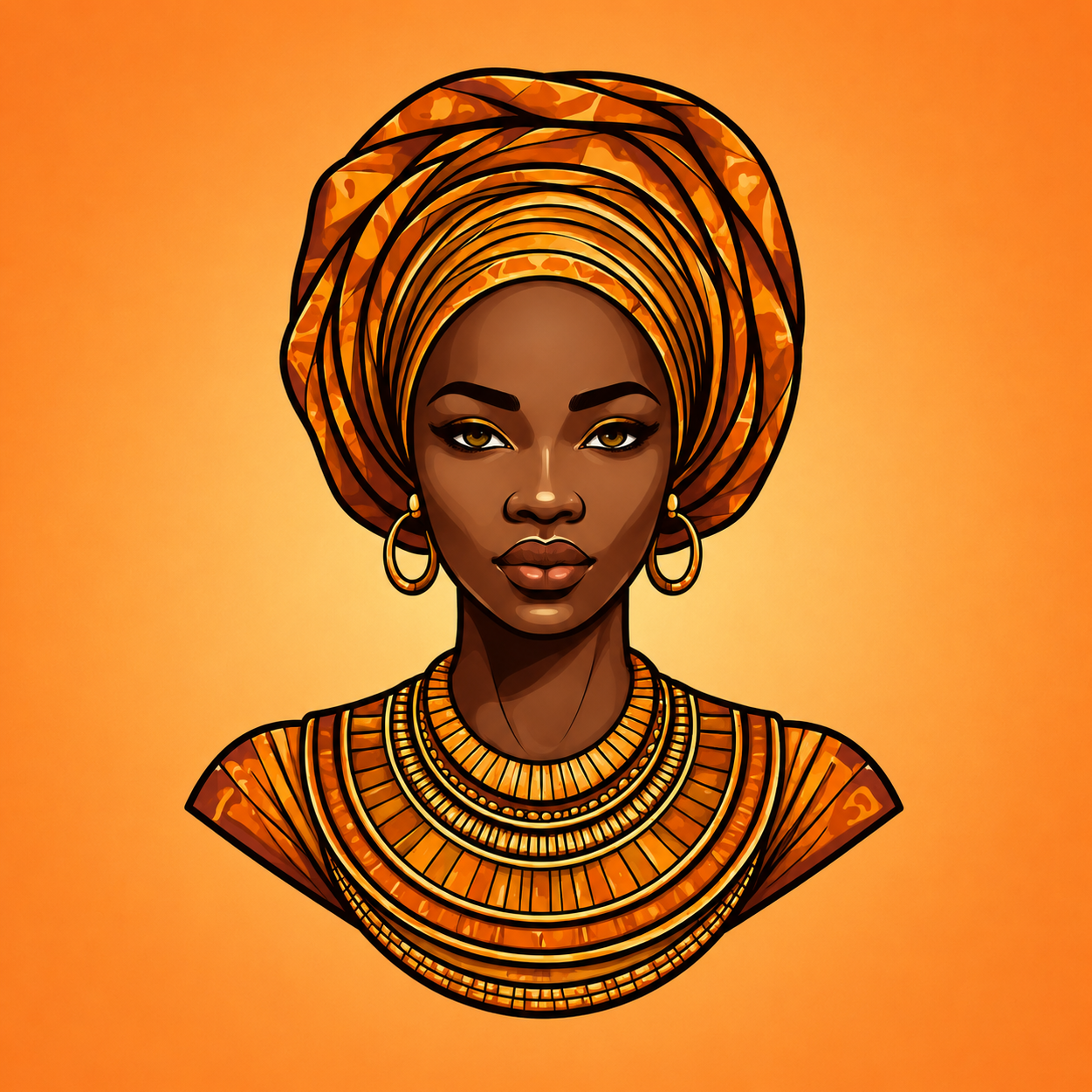
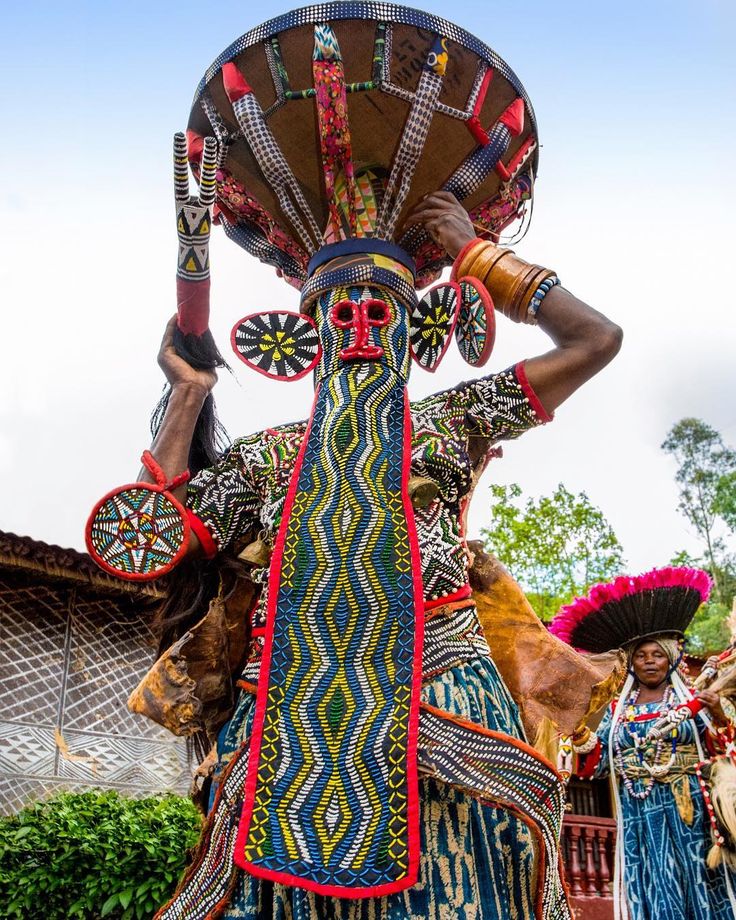
Elaborate Attire and Adornment: Participants often adorn themselves in stunning traditional regalia – vibrant woven textiles (like Kente, Aso Oke), intricate beadwork, body paint, and elaborate headresses or masks. Each element is meticulously chosen for its symbolic meaning, signifying status, lineage, spiritual connection, or the specific theme of the festival.
Rituals and Ceremonies: Festivals often incorporate sacred rituals performed by traditional leaders or priests, designed to honor ancestors, give thanks to deities, seek blessings, or ensure communal well-being. These rituals are crucial for reinforcing spiritual beliefs and cultural continuity.
Feasting and Communal Meals: Food is an integral part of any celebration. Large communal meals, often featuring traditional delicacies, are shared, fostering a sense of camaraderie and abundance.
Storytelling and Performance: Dramatic performances, masquerades, and storytelling sessions often take place, bringing history, myths, and moral lessons to life. The Egungun Festival in Yorubaland, Nigeria, for example, features masquerades embodying ancestral spirits.
Functions of Festivals
Cultural Preservation: They provide a vital platform for transmitting cultural knowledge, practices, and values to younger generations, ensuring the continuity of heritage.
Social Cohesion: Festivals bring people together, reinforcing community bonds, resolving disputes, and fostering a sense of shared identity and purpose. They often bring together people from different villages or even ethnic groups, promoting unity.
Identity Affirmation: Participating in festivals allows individuals to publicly express and affirm their cultural identity, strengthening their sense of belonging.
Spiritual Connection: Many festivals have deep spiritual roots, providing opportunities for communities to connect with the divine, ancestors, and the natural world.
Economic Impact: Festivals can also stimulate local economies through tourism and the sale of goods and services.
“Celebrating Diversity” through African festivals showcases the continent’s immense cultural richness. These events are not just spectacles; they are living expressions of history, belief, and community, reminding us of the enduring power of shared cultural heritage to unite and uplift.