
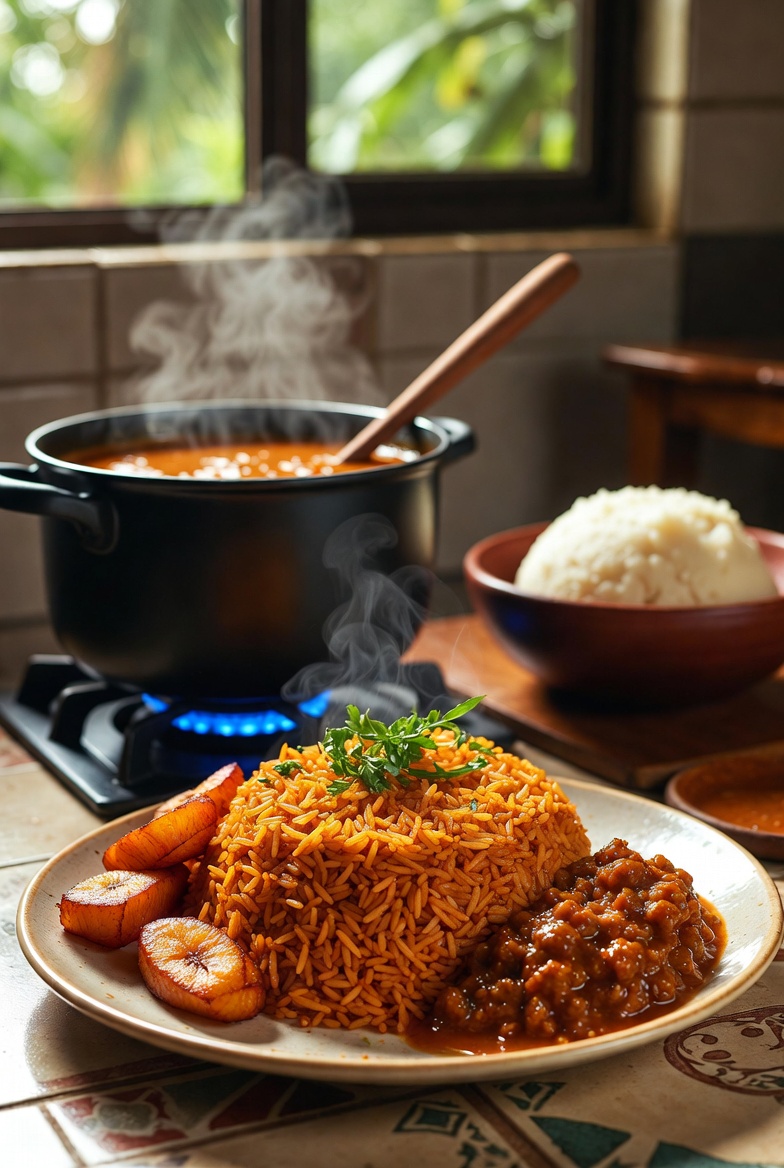
Storing Nigerian foods in hot climates can be tricky. Heat, humidity, insects, and fast spoilage make it difficult to keep ingredients fresh. But with the right methods, you can maintain flavor, quality, and safety, whether you live in Lagos, Port Harcourt, Accra, or anywhere with intense heat.
This guide gives you practical, affordable, Nigerian-tested storage strategies for everyday foods, soups, spices, grains, and perishables.
Understand Why Food Spoils Faster in Hot Climates
High temperature affects food in four major ways:
Speeds up bacterial growth
Causes oils to go rancid faster
Makes grains attract weevils
Breaks down vegetables within hours
Knowing this helps you choose the right storage method.
Best Storage Practices for Nigerian Staples
Rice
Store in airtight containers
Add dried bay leaves or cloves to prevent insects
Avoid keeping in the original nylon bag
Beans
Freeze for 48 hours before storing in an airtight jar, this kills weevil eggs
Add dried pepper or garlic to repel pests
Garri
Keep in airtight containers away from sunlight
Store in a cool cupboard to preserve crispness
Yam Flour (Elubo), Semo, Wheat
Airtight plastic containers or glass jars
Add silica gel packs (non-toxic versions) to keep moisture away
How to Store Nigerian Vegetables Properly
Ugu (Fluted Pumpkin)
Wrap in newspaper
Store in the fridge for 2–4 days
For long-term storage: cut, blanch lightly, store in freezer bags
Waterleaf
Lasts only 1–2 days fresh
Best chopped, drained, and frozen
Efo Riro Vegetables
Wash, blanch, and freeze spinach, kale, or shoko
Keeps for weeks without losing nutrients
Proper Storage of Soups & Stews in Hot Climates
Hot weather shortens soup lifespan dramatically, but these hacks help:
To make soups last 3–7 days:
Boil every 12 hours
Avoid adding water directly, boil water first
Add oil on top to create a protective layer
Store in small portions so you only reheat what you need
For long-term storage:
Freeze fresh portions of
Egusi
Ogbono
Efo riro
Okra
Pepper soups
Use airtight containers or freezer bags to avoid freezer burn
How to Store Meats and Fish Safely
Fresh Meat & Chicken
Rinse lightly, pat dry
Portion into small freezer bags
Add marinade before freezing for longer shelf life
Fresh Fish
Clean immediately
Sprinkle salt
Freeze in water-filled containers to maintain texture
Dried Fish & Stockfish
Store in airtight containers
Keep away from moisture
Freeze if living in extremely humid regions
Storing Oils and Seasonings
Palm Oil
Keep in a cool dark space
Avoid metal containers, they make oil spoil faster
Refrigeration is optional but extends shelf life
Groundnut & Vegetable Oil
Store away from direct sunlight
Use glass bottles to prevent oxidation
Spices (Uda, Uziza, Ehuru, Thyme, Curry)
Store in airtight jars
Keep away from heat to prevent loss of aroma
Best Practices for Bread, Snacks & Local Ingredients
Bread stores best in the fridge in hot weather
Puff-puff, chin-chin, buns should be stored in airtight jars
Fufu, pounded yam, and amala should be eaten fresh or stored in the freezer only
Use the Fridge and Freezer Strategically
Fridge Zones
Top shelf: soups, stews
Middle: vegetables
Bottom: meat, chicken
Freezer Zones
Front compartments: quick-access items
Back compartments: heavy soups, meats
Correct placement reduces spoilage dramatically.
Avoid Common Mistakes That Cause Food to Spoil Faster
Leaving food uncovered on the counter
Storing hot food immediately in the fridge (causes souring)
Keeping items in nylon bags
Using containers that are not airtight
Not labeling freezer items
Small habits make a big difference.
Create a Simple Storage Routine
A good weekly routine includes:
Buying vegetables in bulk and freezing properly
Portioning soups before storing
Cleaning the fridge weekly
Rotating pantry items
Checking for moisture in grain containers
This keeps your kitchen efficient, safe, and always ready to cook.