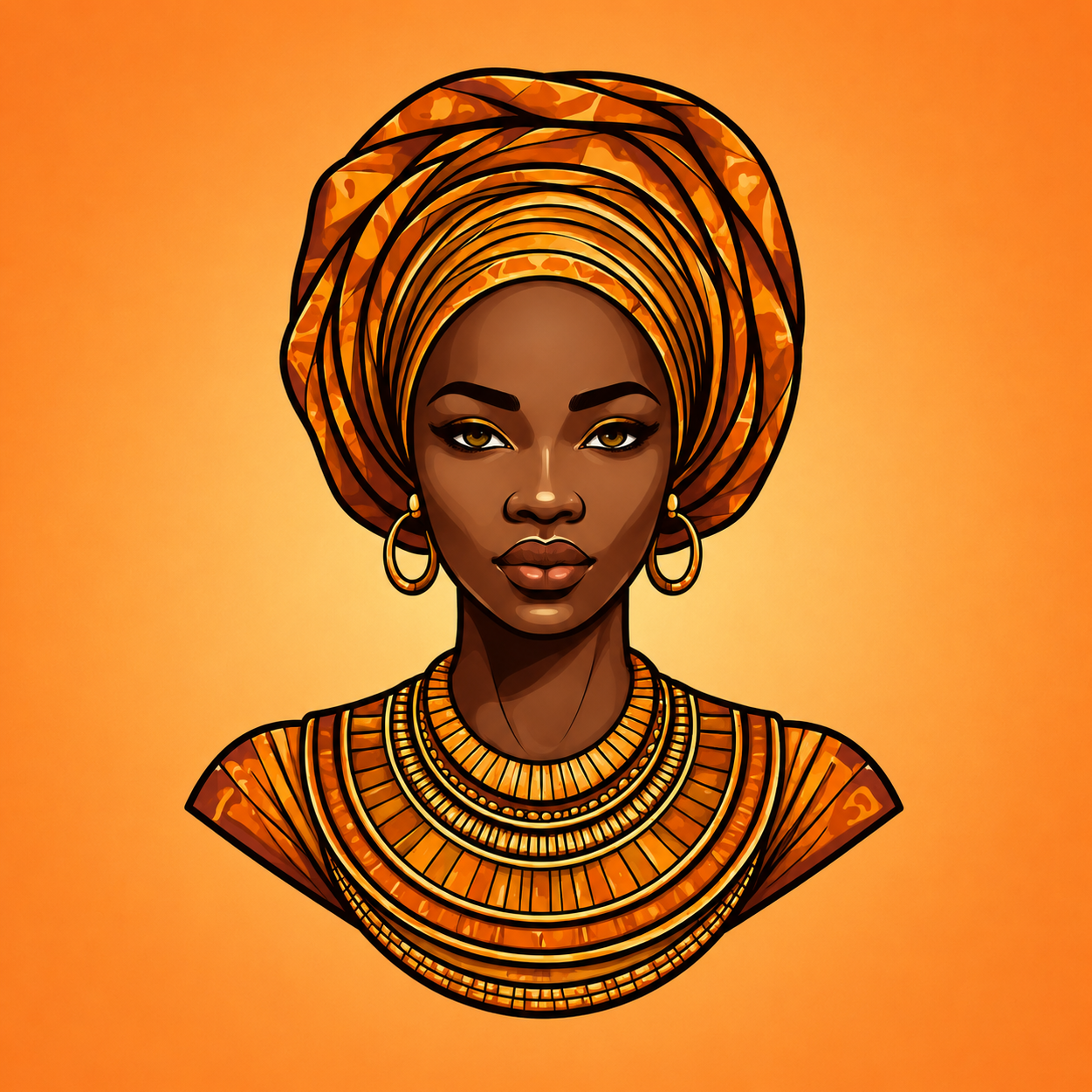
The Impact of Social Media on African Artists’ Visibility
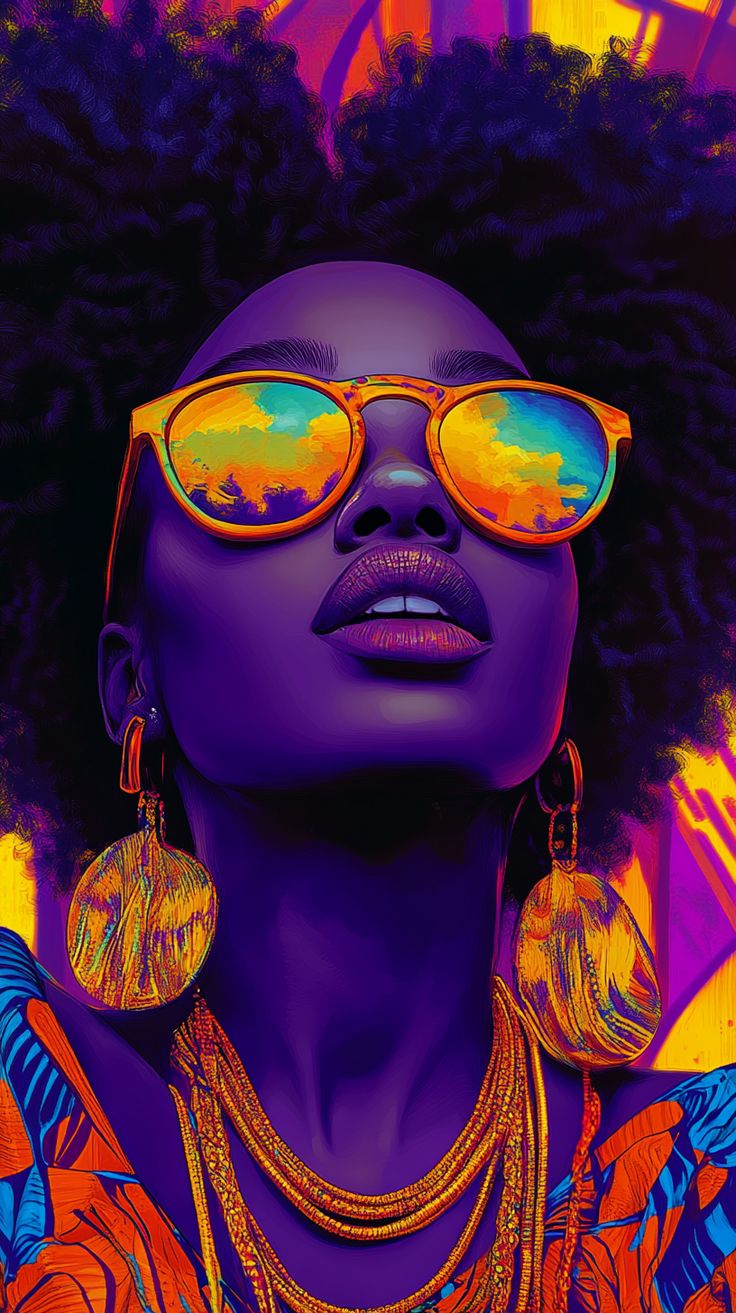
Social media has transformed the way African artists share creativity, build audiences, and monetize their talent. What was once a highly gate kept art industry is now becoming more accessible, democratic, and globally connected. Today, African artists can showcase their work to international audiences without relying solely on physical galleries or institutional approval. Platforms such as Instagram, TikTok, Pinterest, Facebook, and YouTube have become powerful tools for creative visibility.
The digital age has given African creativity a global stage.
Social Media as a Modern Art Gallery
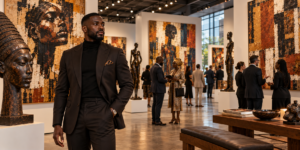
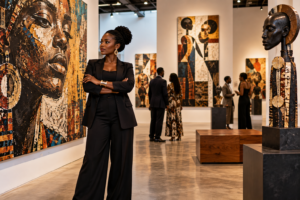
In the past, artists depended on exhibitions, curators, and art institutions to reach audiences. While these structures remain important, social media has introduced a new model of art presentation. Artists can now upload paintings, digital illustrations, sculptures, and photography directly to their followers. Every post becomes a mini exhibition accessible to viewers across continents. High-quality visual presentation is essential. Lighting, composition, and storytelling help artworks stand out in crowded digital spaces. Consistency also matters. Artists who post regularly tend to build stronger audience engagement and brand recognition.
Breaking Geographic Barriers
One of the greatest advantages of social media is the removal of geographic limitations. African artists living in local communities can now connect with collectors, brands, and collaborators worldwide. A creative designer in Lagos can receive commission requests from Europe. An illustrator in Accra can collaborate with fashion brands in Asia. A sculptor in Nairobi can attract international exhibition invitations. This global connectivity is reshaping Africa’s creative economy.
Personal Branding for African Artists
Social media has made personal branding an essential skill for modern creatives. Artists are not only selling artwork, they are selling identity, story, and vision.
Successful African artists often build brands that reflect:
Cultural authenticity
Unique artistic style
Professional presentation
Emotional storytelling
Consistent thematic focus
Followers are more likely to support artists who share inspiration, creative process, and meaning behind artworks.
Showing sketches, studio work, or concept development can help audiences connect emotionally with creativity.
The Role of Video Content in Artistic Growth
Short video platforms have revolutionized artistic marketing. Videos showing painting processes, sculpture creation, or digital design development are highly engaging.
Educational content is also gaining popularity. Many African artists are sharing tutorials, cultural explanations, and creative tips online. Teaching content builds trust and establishes artists as thought leaders in their fields.
Social Media and the Rise of African Art Markets
Digital visibility has increased demand for African art globally. Collectors are discovering African artists through hashtags, creative communities, and online exhibitions.
Some artists now sell prints, merchandise, and original pieces directly through social media messaging or integrated e-commerce platforms. This direct-to-audience model reduces dependence on intermediaries and increases artist earnings.
Challenges of Social Media for Artists
Despite its advantages, social media also presents challenges.
Algorithm changes can affect visibility. Competition is high due to the global nature of digital platforms. Artists must continuously adapt to new content trends. Additionally, protecting intellectual property is important. Watermarking artwork and understanding copyright principles can help prevent unauthorized reproduction. Balancing creativity and marketing strategy is also necessary. Artists should avoid focusing only on popularity metrics and maintain artistic authenticity.
Community Building Through Digital Creativity
Social media has helped African artists build supportive creative communities. Artists collaborate, share opportunities, and promote each other’s work online. Creative communities encourage mentorship, skill development, and cultural exchange. This collective approach strengthens the African art ecosystem.
The Future of Social Media and African Art
As technology advances, artificial intelligence, virtual reality, and immersive digital spaces will further change artistic visibility. Virtual exhibitions may allow audiences to walk through digital galleries featuring African artwork from anywhere in the world.
African artists who adapt early to technological trends will likely gain competitive advantages in the global market.
Social Media as a Tool of Cultural Storytelling
Beyond marketing, social media helps preserve African culture. Artists can educate global audiences about African symbolism, history, fashion, and philosophy. Creative storytelling strengthens cultural pride and promotes historical awareness. African art is becoming a global conversation.
Ajoke Brown Media celebrates African artists who are using social media responsibly, creatively, and strategically to share authentic stories and build sustainable creative futures.
Shop Art here