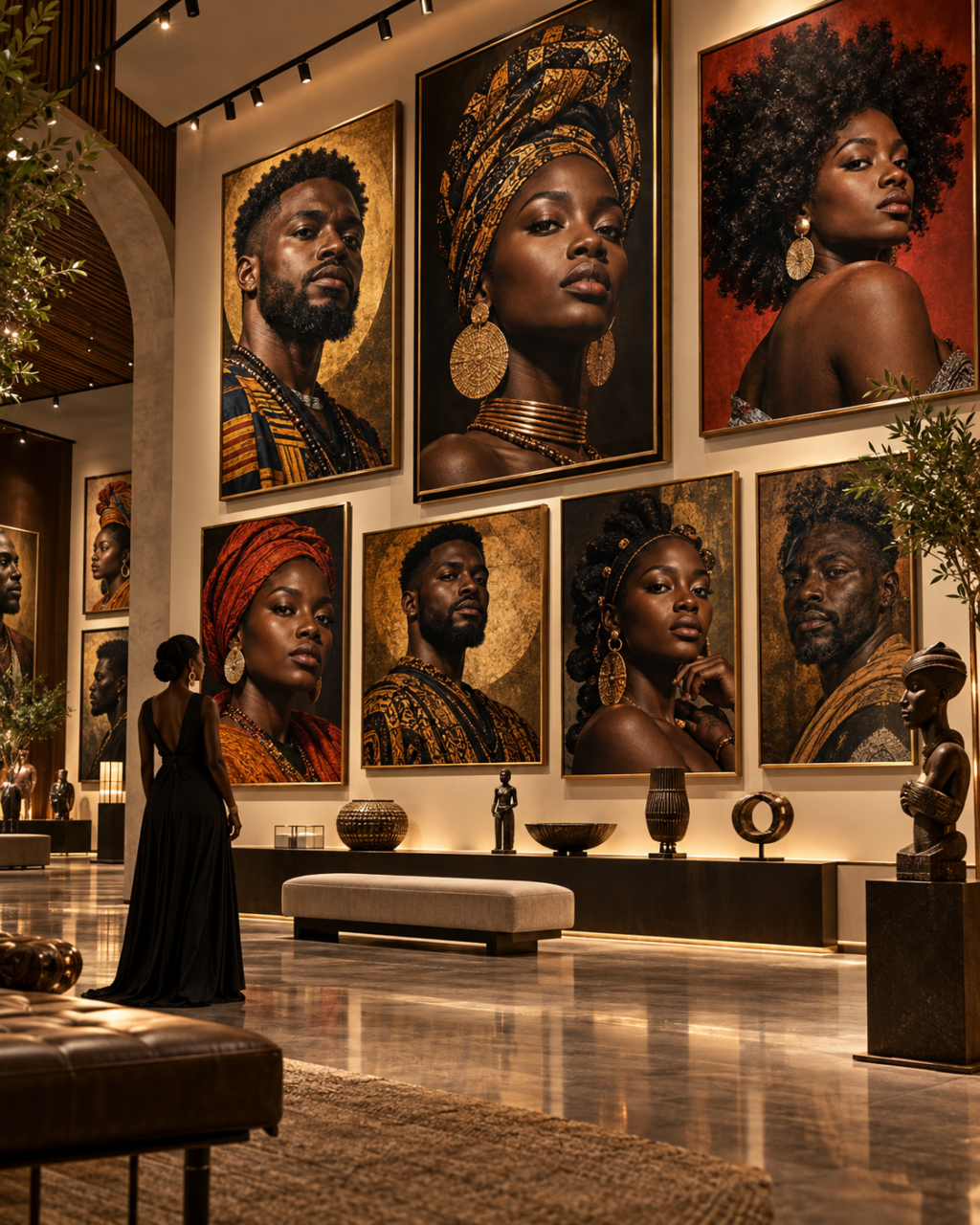
For centuries, the representation of the Black body in classical Western art history was defined by an external lens. When Black individuals appeared in European oil paintings, they were rarely the subjects; instead, they were typically depicted as background figures, symbols of colonial conquest, or anonymous subjects viewed through the Eurocentric “colonial gaze.”
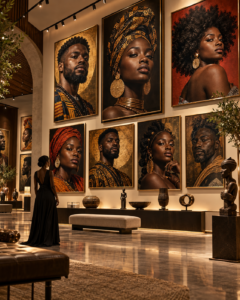
Today, a radical visual revolution is unfolding. A dynamic new wave of African portrait artists is completely rewriting the rules of figurative art. By placing Black identity, joy, sorrow, and sovereignty at the very center of the canvas, these creators are powerfully reclaiming the Black gaze.
Understanding the Shift in the Gaze
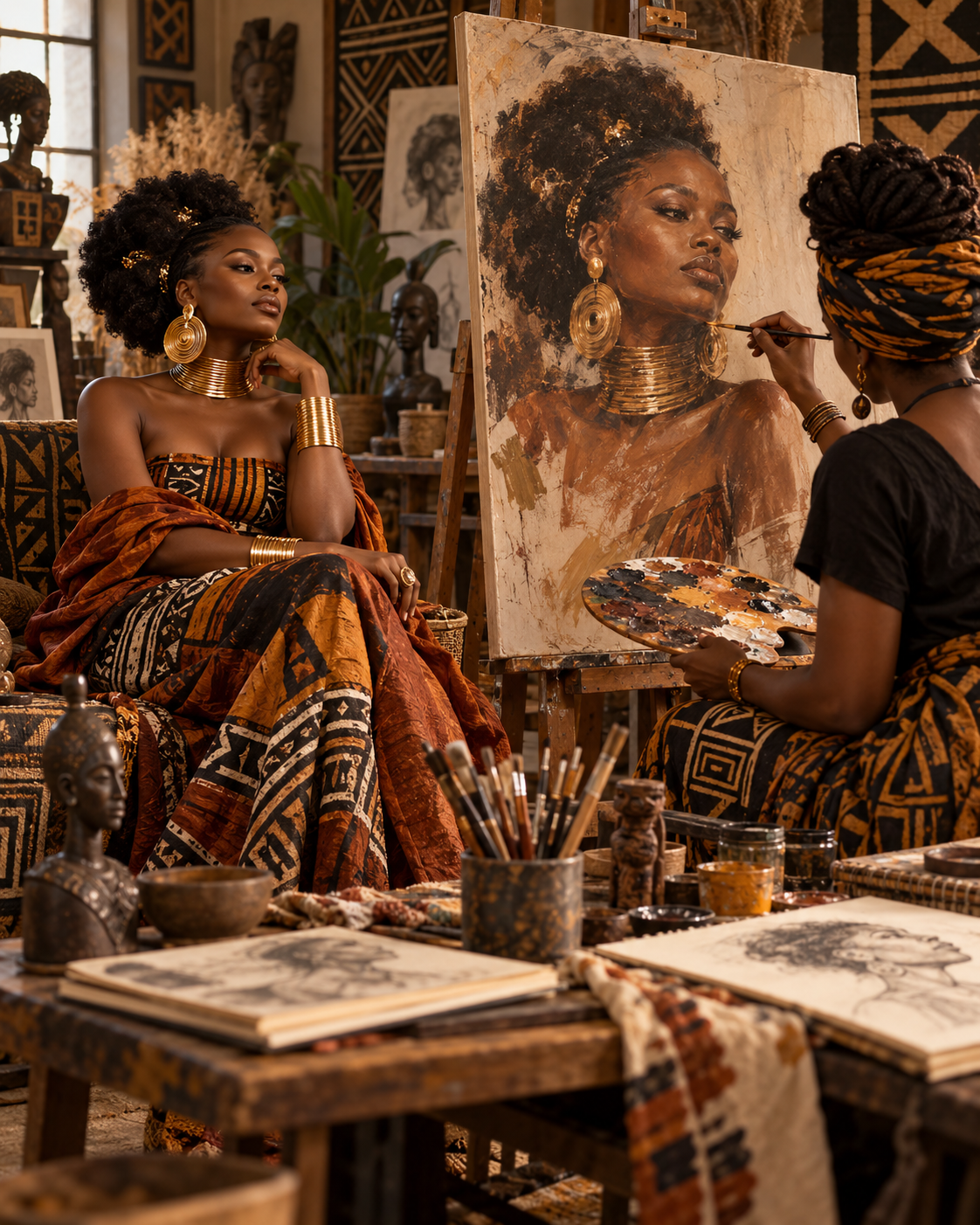
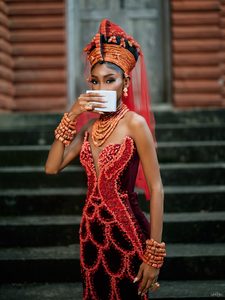
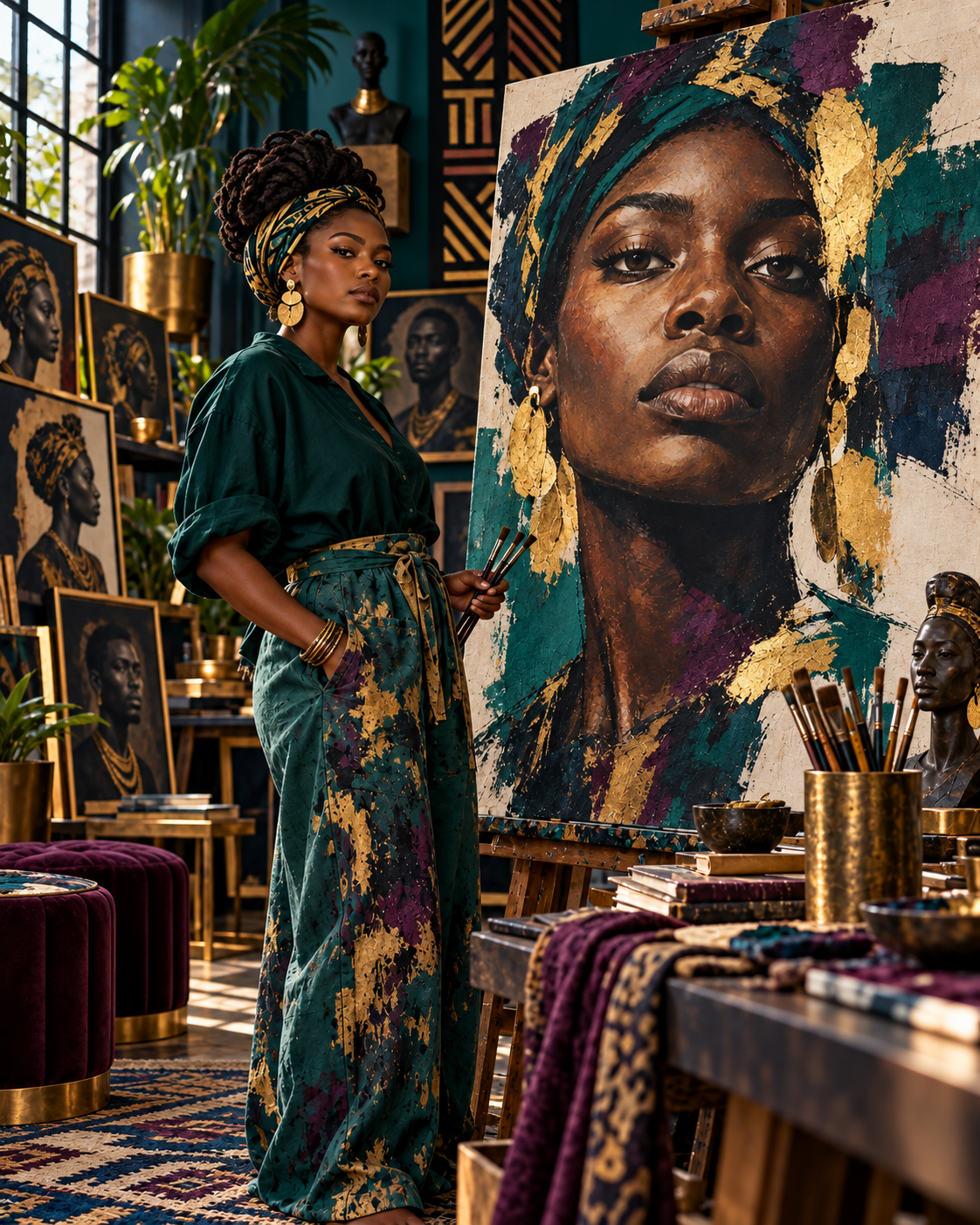
To reclaim the gaze means to take control of how a story is told. Contemporary African portraiture is not about creating pretty pictures for decorative walls; it is an act of cultural restoration. Artists are no longer painting to satisfy external expectations of what African art should look like. Instead, they are painting their friends, family members, local heroes, and themselves exactly as they are, multi-dimensional, complex, and deeply human.
When you look at a modern African portrait, the subject is almost always looking back at you. This direct eye contact forces a dialogue between the viewer and the canvas, flipping the historic power dynamic upside down.
Masters of the New Visual Language
This movement is defined by its radical experimentation with materials, colors, and textures. Artists are moving far beyond traditional flesh tones to make profound statements about identity.
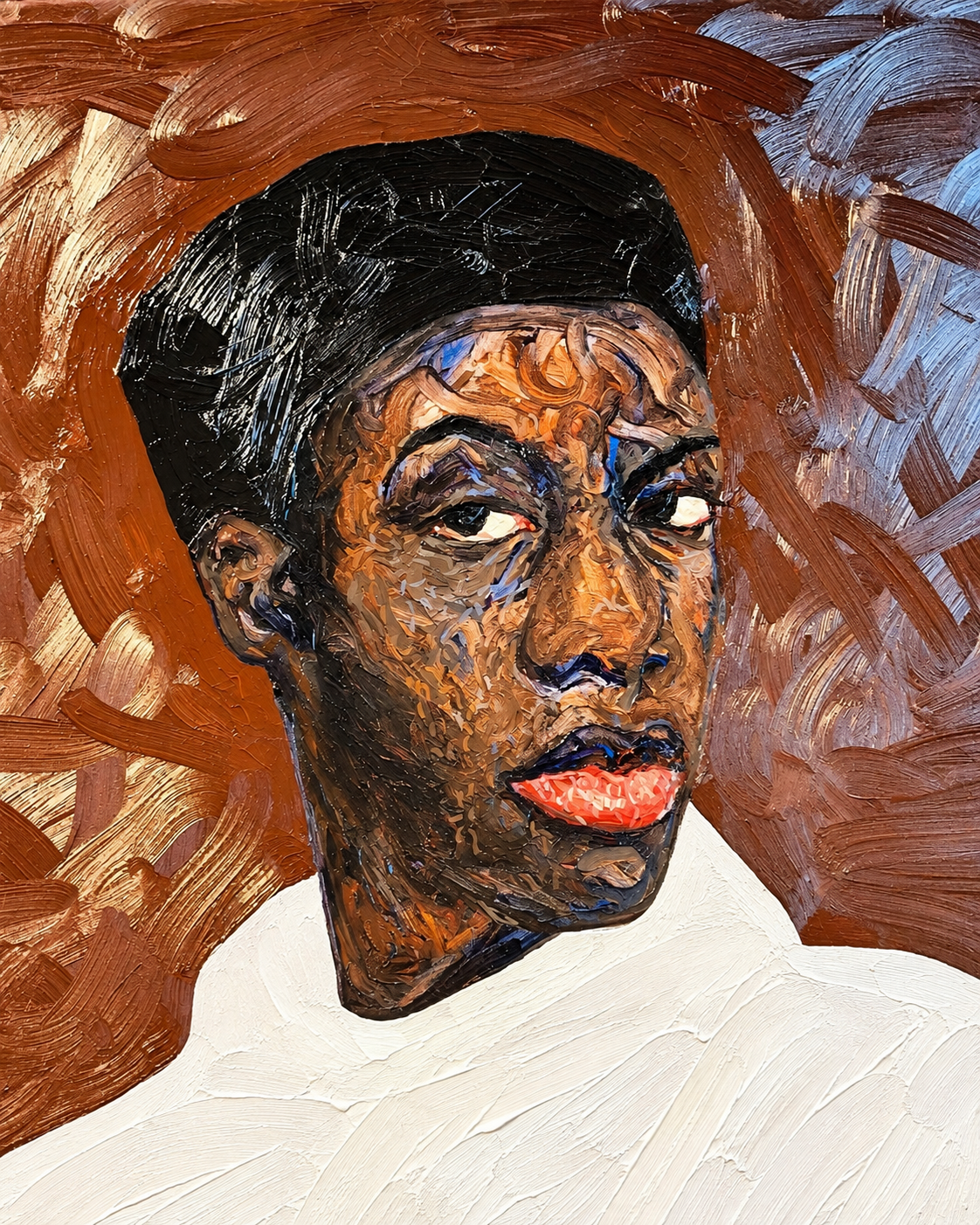
Amoako Boafo (Ghana)
Ghanaian painter Amoako Boafo has taken the global art world by storm with his highly expressive, large-scale portraits. Rejecting paintbrushes for the human figure, Boafo uses his bare fingers to apply oil paint directly onto the canvas to create his subjects’ skin. The resulting swirling, raw, and tactile textures celebrate the beauty of Black skin while giving his characters an undeniable presence.
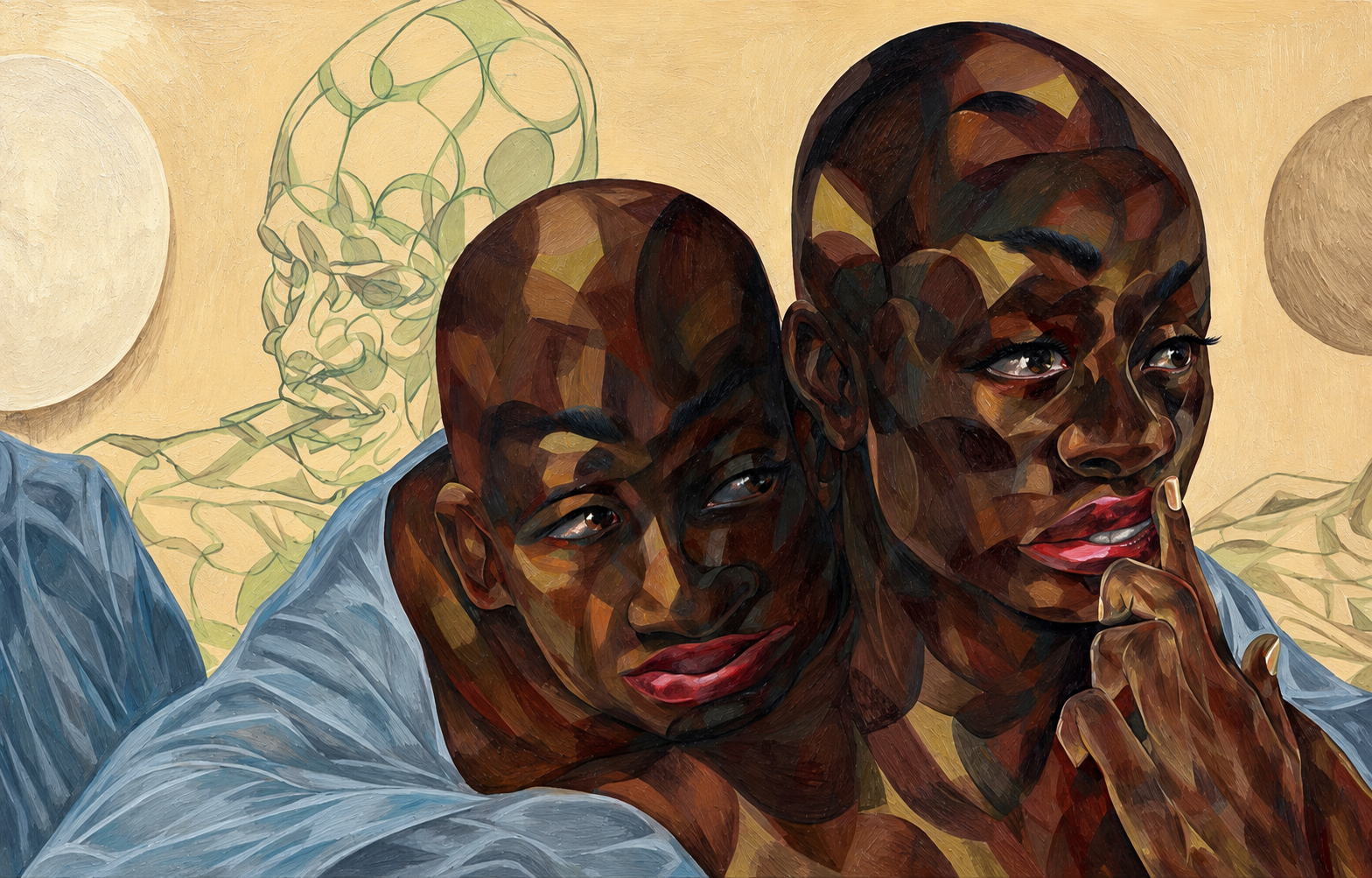
Toyin Ojih Odutola (Nigeria)
Nigerian-American artist Toyin Ojih Odutola treats skin as a complex landscape. Working primarily with multimedia materials like charcoal, pen, and pastel, she builds intricate, layered markings that look like woven topography. Her work deliberately questions the social constructs of race and class, often placing her subjects in opulent, fictional settings of generational wealth.
A Global Cultural Resonance The explosive rise of contemporary Black portraiture has completely transformed the global art market. Major international institutions like the Tate Modern, MoMA, and the Venice Biennale are heavily featuring these artists, recognizing that they are filling critical gaps in art history. For art collectors and enthusiasts, this movement offers a masterclass in visual storytelling. It proves that portraiture is one of the most powerful tools for cultural preservation, transforming ordinary human faces into monumental symbols of pride, resilience, and timeless beauty.