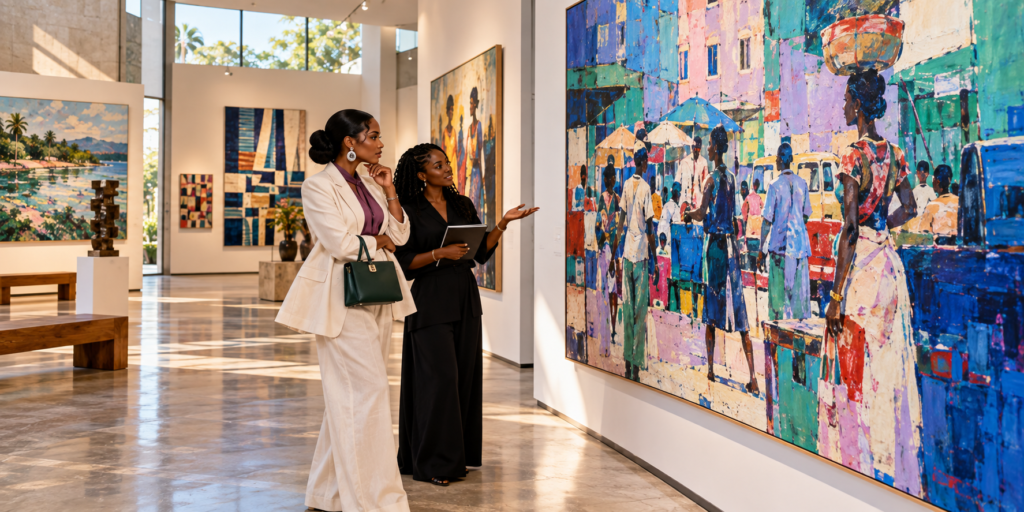
The global art market is experiencing an unprecedented surge in demand for contemporary African art. From the busy halls of ART X Lagos to major auction houses in London and New York, works by African creators are pulling in record-breaking figures. For new collectors, this presents an incredibly exciting opportunity to build a high-value portfolio that is rich in cultural capital.
However, entering a rapidly accelerating market requires more than just financial capital; it requires a strict ethical framework. Without intentional, conscious collecting habits, speculation can inadvertently destabilize the very creative ecosystems you wish to support. Here is how you can navigate the contemporary African art market safely, profitably, and ethically.
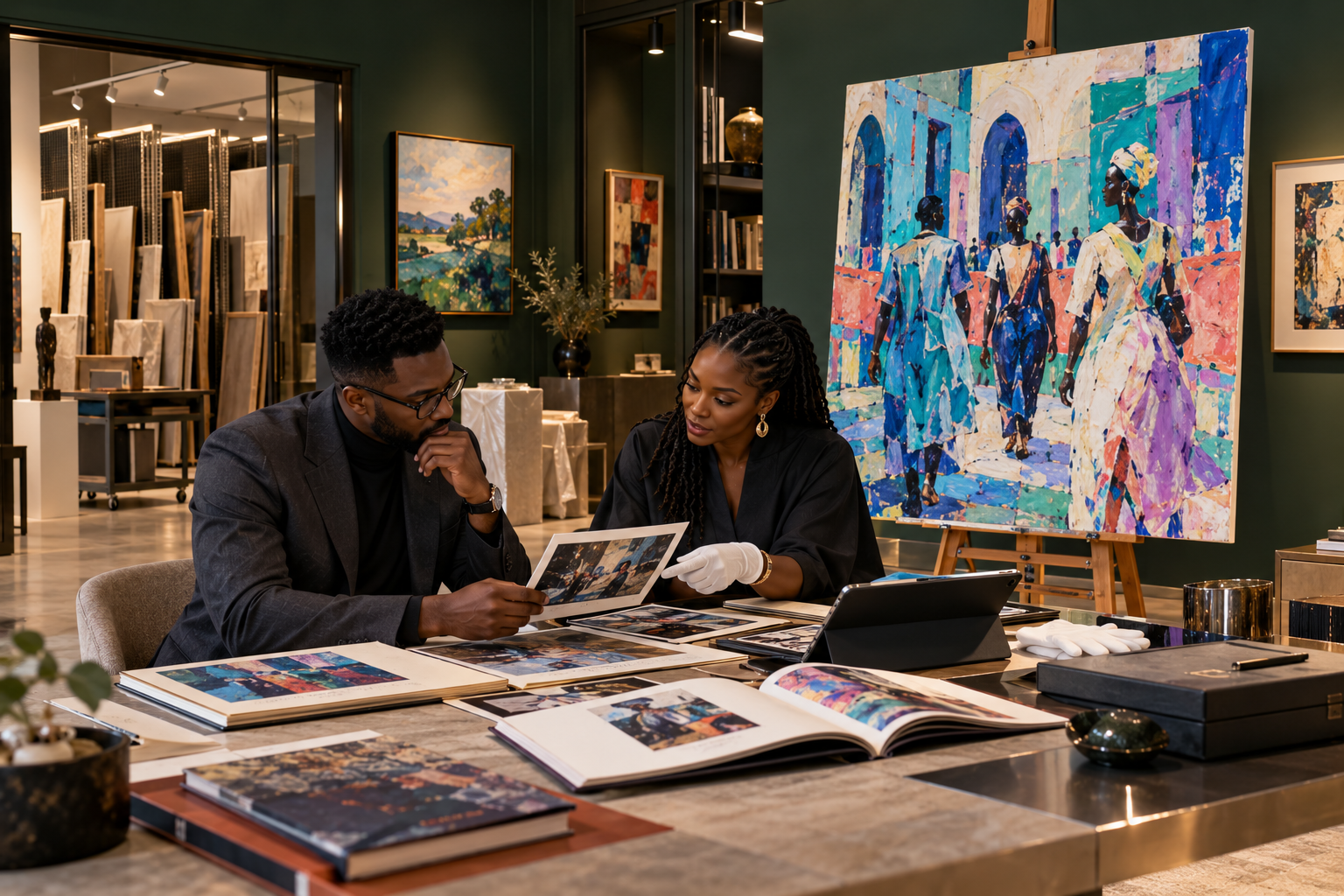
The Core Golden Rule: Prioritize the Primary Market
When you buy art, your money goes to one of two places: the primary market or the secondary market.
The Primary Market: Buying an artwork for the very first time, usually through the artist’s representing gallery or directly from their studio.
The Secondary Market: Buying an artwork that has been previously owned, typically through auction houses or secondary dealers.
For beginner investors looking to collect ethically, focus heavily on the primary market. When you buy on the primary market, a significant portion of your financial investment goes directly into the hands of the artist and the local gallery nurturing their career. This capital allows emerging creators to fund their studios, purchase high-quality materials, and sustain their livelihoods.
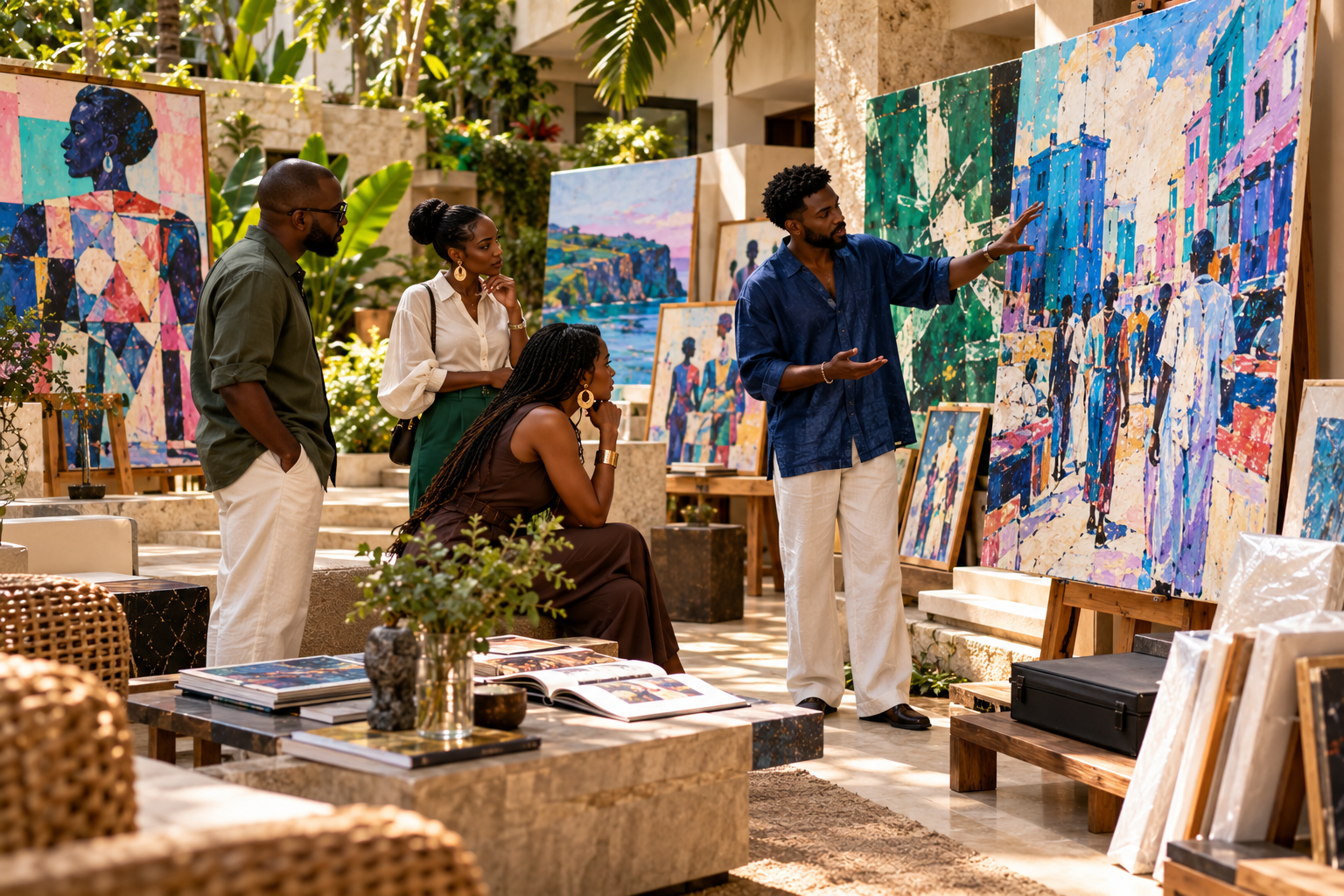
Partner with Verified Regional Galleries
The safest way to ensure your investment is ethical and authentic is to build relationships with reputable galleries based on the African continent like Ajoke Brown Media– https://www.ajokebrownmedia.com/art-of-africa/ These spaces do the heavy lifting of scouting talent, organizing residencies, and managing long-term career trajectories.
By purchasing from verified galleries, you gain two vital protections:
Proven Provenance: You receive official documentation proving the artwork is authentic, which is vital for the item’s future resale value.
Fair Compensation: You ensure the artist is actually being paid international standard percentages for their labor, rather than being exploited by predatory middle-men.
If you are buying online, leverage digital platforms that collaborate directly with these physical spaces rather than unverified third-party sellers. link
Avoid the Pitfalls of Speculative “Art Flipping”
In the investment world, flipping, buying an asset and selling it quickly for a profit is common practice. In the contemporary art world, rapid flipping can destroy an emerging artist’s career.
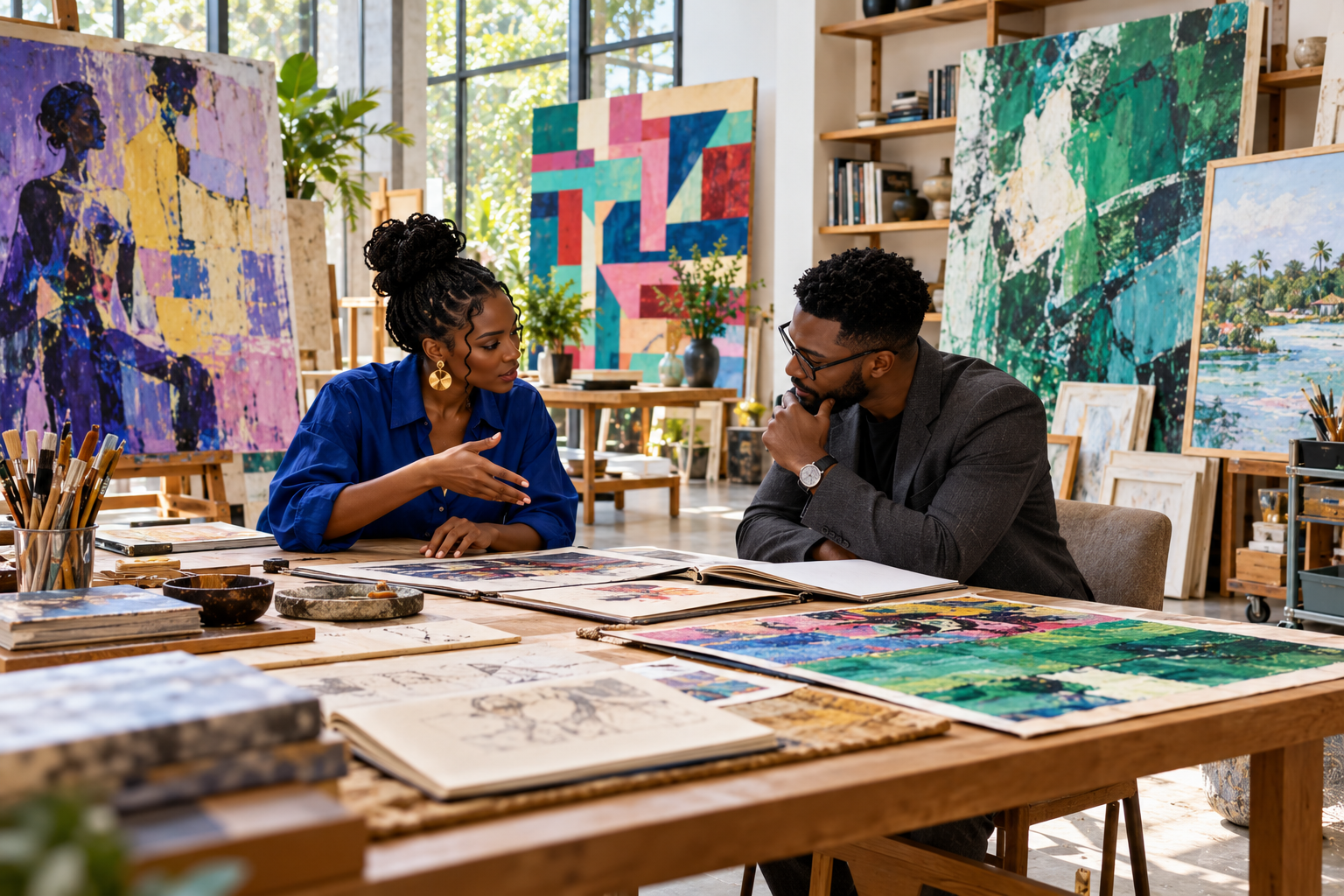
If an artwork by a young artist is sold at auction for astronomical, hype-driven prices too early in their career, it creates an unsustainable financial bubble. If the market cools down, the artist’s primary gallery prices are thrown off balance, and their career can stall overnight. Ethical investing means viewing yourself as a patron, not just a trader. Acknowledge that the value of the piece matures alongside the artist’s creative development.
The Bottom Line
Investing in contemporary African art is uniquely rewarding because it allows you to participate in a historic cultural renaissance. By shifting your focus toward primary acquisitions, protecting young talent from speculative bubbles, and supporting local arts infrastructure, you build a collection that is both financially sound and culturally respectable.
Shop Authentic African Art Here-https://www.ajokebrownmedia.com/art-of-africa/